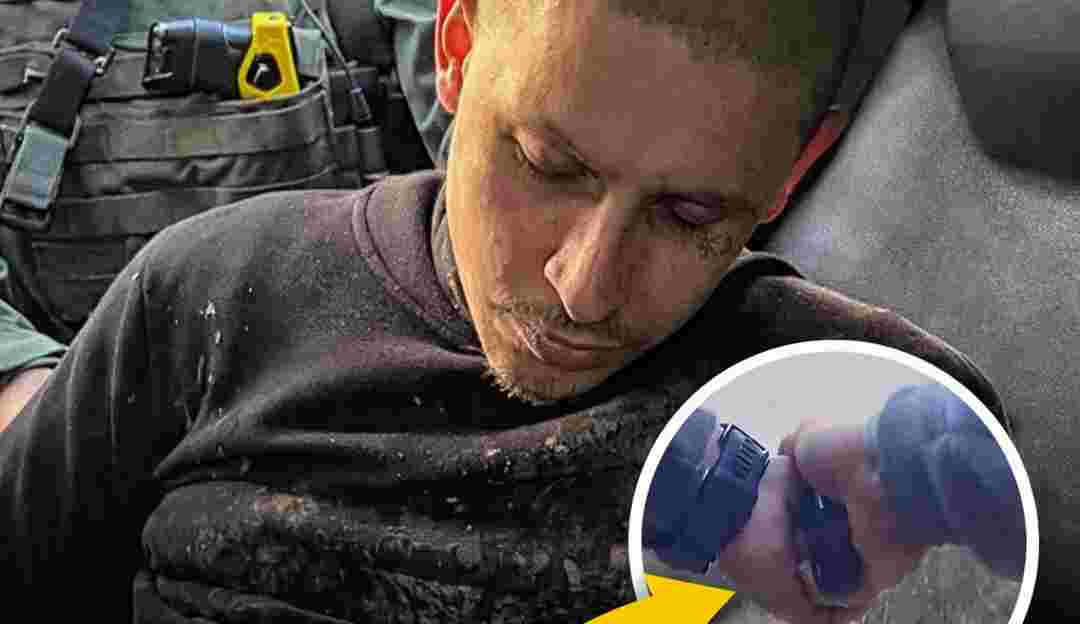
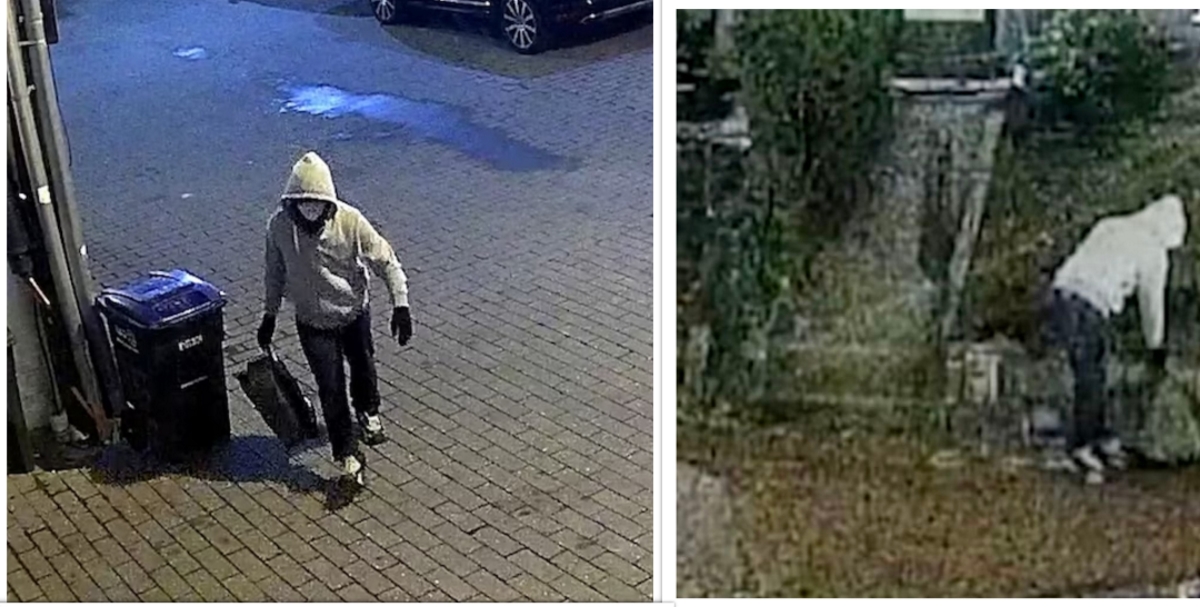
Federal investigators have confirmed an arrest tied to the pipe bomb discovered in Washington, D.C. on the night before the January 6 riot, according to early reporting referenced in a breaking update that described how agents moved quickly once new evidence emerged. Officials say the suspect was taken into custody without incident, and that the device recovered years earlier was a functional explosive.
The Justice Department noted that federal charges were filed shortly after the arrest, with prosecutors citing unlawful possession of an explosive device and potential conspiracy statutes — details summarized in an AP briefing that emphasized how little information has been released due to sealed proceedings. Law-enforcement officials added that certain filings will remain confidential, a point addressed in a DOJ notice explaining why parts of the evidence cannot yet be made public.
Initial public reaction reflected both relief and caution, particularly after analysts cited investigative progress described in a Reuters dispatch that outlined the scale of the multi-year search. One early response on social media captured the sentiment:
This arrest won’t answer everything at once, but it proves investigators never stopped working the case. Slow justice is still justice. — H. Carter (@HCarterWatch) Dec 4, 2025
Officials have not released the suspect’s identity, citing security protocols that were outlined in a legal analysis discussing how domestic-terror investigations often require extended secrecy. Investigators are now reviewing communications records and digital forensics, which may clarify whether the suspect acted alone or if additional individuals were involved.
The news has also prompted renewed scrutiny from law-enforcement families, many of whom told reporters their reactions mirrored comments documented in a national interview series that highlighted ongoing trauma for officers who responded on January 6. Public-safety advocates stress that answers may take months as the court weighs evidence and considers whether further indictments are necessary.
Nothing about this case will move fast, and that’s fine — explosives charges require airtight evidence. Let the process work. — C. Morales (@MoralesReports) Dec 4, 2025
Security experts have also weighed in, pointing readers toward threat-assessment concerns outlined in a security advisory circulated earlier this week. Their main concern is how an explosive device was planted undetected in a high-security zone, and what surveillance or intelligence gaps may have contributed to the delay in identifying a suspect.
Legal scholars expect the case to proceed through a complex pre-trial phase, similar to protocols described in a judicial commentary outlining how evidentiary challenges arise in explosives-related prosecutions. Those scholars warn that public expectations must be tempered, as large investigations often require extensive forensic cross-checks and multiple sealed hearings.
The arrest matters, but the courtroom timeline will matter more — especially if investigators believe others were involved. — M. Daniels (@DanielsWatch) Dec 4, 2025
Federal agencies continue to rely on public cooperation, especially through tip-line submissions encouraged in an FBI request page that asks anyone with knowledge of suspicious behavior on January 5 or 6 to come forward. Investigators have reiterated that even small or previously overlooked details can assist in constructing a complete timeline.
At this stage, the arrest marks the most substantial development yet in the Jan. 6 eve pipe-bomb case. While many aspects remain sealed and key questions unanswered, federal officials say they will release verifiable information at each permissible stage of the legal process. Observers note that additional developments could emerge as forensic analysis continues, including possible links to other incidents documented in ongoing federal summaries that track related cases.