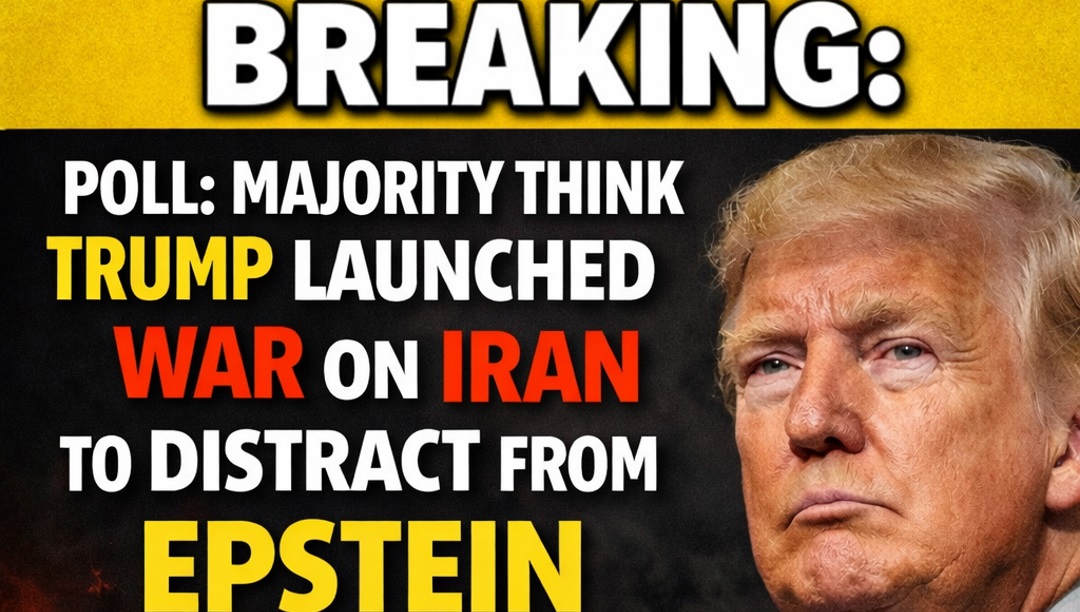

The internet descended into chaos overnight after a flood of viral posts claimed that “newly uncovered Jeffrey Epstein photos” allegedly showed Donald Trump, Bill Clinton, and other high-profile figures — a claim for which no evidence exists, but one that spread with the same velocity documented in a Brookings analysis on viral misinformation. Within minutes, timelines across X, Facebook, and Telegram were saturated with dramatically edited images, misleading captions, and breathless commentary insisting that a major revelation had detonated.
The frenzy was amplified when several anonymous accounts posted grainy, low-resolution photos labeled as “never-before-seen,” despite the fact that the images were either old, heavily altered, or pulled from previous investigations catalogued in a Reuters fact-check on recycled Epstein images. But the disclaimers came far too late to stop the explosion — one that resembled the misinformation surges analyzed in New York Times reporting on deepfake-driven political chaos.
As the rumor spread, some users insisted that the “new photos” were part of an imminent document release, a myth debunked repeatedly in Snopes breakdowns of Epstein-related claims. Others speculated that unnamed investigators were “leaking” files, weaving narratives similar to the conspiracy cycles dissected in Washington Post research on online manipulation.
There are NO new Epstein photos. What’s going viral is either old, edited, or AI-manipulated. Verify before spreading. — CivicCheck (@CivicCheckNow) Dec 15, 2025
Still, the idea of “new evidence” was irresistible to millions. Engagement soared past the levels typically recorded in political rumor storms, matching patterns described in a Pew Research report on belief in false political claims. The rumor also reignited longstanding debates surrounding Epstein’s social network, especially high-profile individuals whose names appeared in past flight logs, including those referenced in NBC News’ analysis of historical Epstein records.
By dawn, “Epstein photos” was trending globally. Influencers, political commentators, and conspiracy accounts all jumped in, many citing a supposed document dump — even though no such release appeared in public court files tracked in federal records databases. Experts say rumor cycles like this thrive on ambiguity, especially when tied to scandals with a history of secrecy, a dynamic explored in Lawfare’s analysis of public mistrust in high-profile cases.
Old Epstein pics are being reposted as “new leaks.” Some are even AI edits. Zero confirmation of new evidence. — MediaForensics (@ForensicsLab) Dec 15, 2025
Investigators familiar with past Epstein filings told reporters that no recent disclosures exist beyond those already published in connection with civil suits, many of which were covered extensively in a Reuters summary of Epstein-related document releases. But the absence of confirmation paradoxically fueled speculation — a dynamic identical to the feedback loop outlined in Vox’s mapping of outrage-driven rumor ecosystems.
Some partisan accounts attempted to weaponize the rumor, using the fabricated “new photos” to attack political opponents or bolster long-running narratives. The tactic mirrors what experts identified in MSNBC’s reporting on political manipulation, where unverified Epstein content frequently resurfaces during election seasons.
Fact-checking organizations responded quickly. Early reviews referenced AI artifacts visible in several viral images — telltale signs consistent with the distortions outlined in The Guardian’s warnings about deepfake election interference. Other images were simply cropped versions of older photographs that have circulated for years, many originally catalogued in BBC coverage of Epstein’s known associations.
Not a SINGLE reputable outlet has confirmed any “new Epstein photos.” Every image circulating is old or manipulated. — FactGuardian (@DefendTruth) Dec 15, 2025
The rumor also revived historical context about Epstein’s web of connections — one that has fueled speculation for years and was documented in The New York Times’ extensive mapping of Epstein’s social network. Many of the names resurfacing online appeared in previously released materials, but none were tied to any “new photo” discovery.
Researchers warn that Epstein-related misinformation is uniquely persistent because it taps into public anger, mistrust of institutions, and bipartisan belief in hidden wrongdoing. These traits align closely with findings from ProPublica’s reporting on conspiracy psychology, which notes that narratives involving powerful elites spread regardless of evidence.
Some users responded to the rumor with genuine confusion, unsure whether the images were real. Others expressed frustration that false claims remain nearly impossible to contain. Analysts compared the spread to earlier hoaxes that spiraled so quickly corrections became meaningless — a phenomenon explained in Nieman Lab’s research on correction lag.
The digital storm grew even more intense once high-engagement accounts began posting commentary about what “the elites don’t want you to see,” language nearly identical to the rhetorical strategies outlined in ADL analyses on extremist messaging. By the time major outlets began issuing clarifications, the rumor had already cemented itself into the feeds — and minds — of millions.
Meanwhile, former prosecutors who worked on Epstein-related cases pointed out that any real evidence would appear in court filings long before appearing on social media, a reality established repeatedly in Justice Department releases. But legal logic rarely competes effectively with viral spectacle.
By afternoon, the question had shifted from “Are the photos real?” to “Why do people believe them so quickly?” Experts cited the erosion of institutional trust documented in a Pew evaluation of public trust, arguing that highly charged rumors thrive precisely because people feel disconnected from official sources of information.