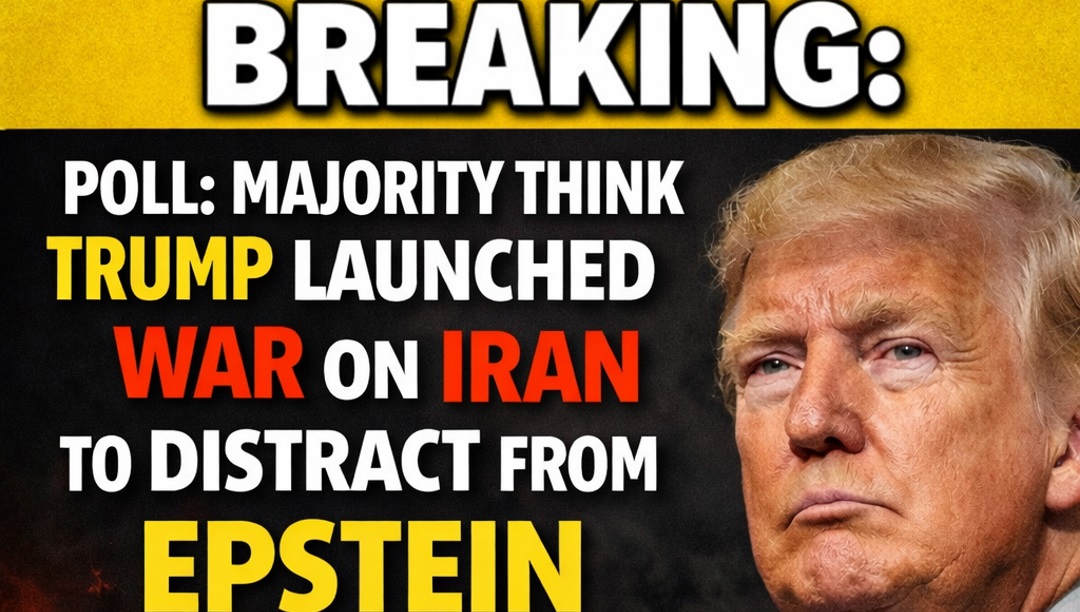
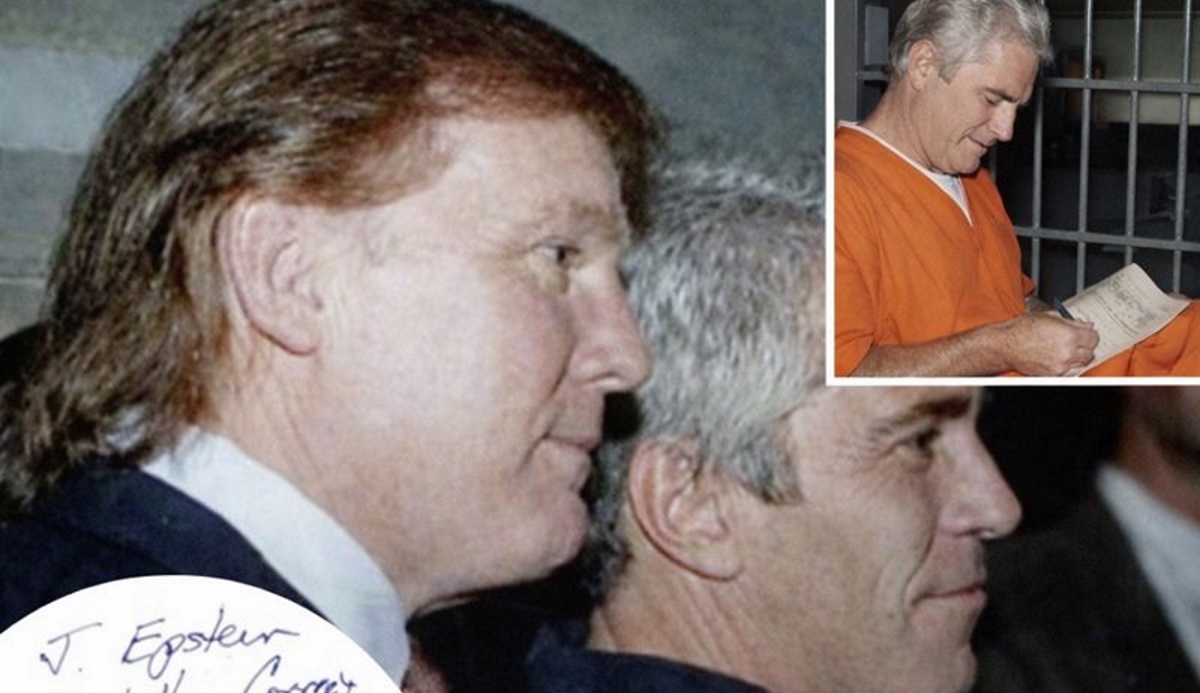
A newly circulated letter said to have been written by Jeffrey Epstein while he was in federal custody has exploded across social media, reigniting scrutiny over his past ties to Donald Trump and reopening a chapter many Americans believed had gone quiet. The document, whose authenticity has not been independently verified, is being described by some as “explosive,” even as experts urge caution.
The letter, reportedly penned during Epstein’s final months in prison, references prominent figures and alludes to relationships that had long been the subject of rumor and investigation. Screenshots and excerpts spread rapidly online, with commentators dissecting every line and implication, often without context.
According to people sharing the document, the letter suggests Epstein believed his connections could protect him, a claim that echoes themes raised years ago in reporting that changed everything about how Epstein navigated elite circles. However, no new allegations backed by evidence have emerged from the letter itself.
Has long acknowledged having known Epstein socially decades ago but has repeatedly stated that he cut ties with him well before Epstein’s arrest and denies any involvement in Epstein’s crimes. Trump has not commented publicly on the alleged letter.
Legal analysts caution that unverified prison correspondence should not be treated as fact. Inmates often write letters that mix truth, exaggeration, and self-serving narrative, a reality explained in guides most readers skip when sensational material surfaces.
A document existing is not the same thing as it being true. — Legal analyst (@FileContext) Dec 2025
Still, the timing of the letter’s circulation has fueled speculation. It arrives amid renewed public pressure to release remaining sealed Epstein-related records, with critics arguing that partial transparency only feeds mistrust. Calls for disclosure have intensified in recent months, as noted in arguments that won’t go away.
Supporters of Trump argue the letter proves nothing and accuse opponents of recycling Epstein’s name to score political points. They point out that photos and documents tying Epstein to powerful figures have surfaced repeatedly without producing criminal charges against those named.
Others counter that the letter matters symbolically, even if it lacks legal weight. To them, it underscores how Epstein perceived his own power and access, reinforcing concerns about how prestige and proximity shielded him for years. That broader failure was dissected in essays people still cite when discussing accountability.
The disturbing part isn’t the letter — it’s the system it describes. — Accountability advocate (@OpenFilesNow) Dec 2025
Journalists familiar with the Epstein case emphasize the need to separate documentation from insinuation. A letter can reveal what Epstein believed or wanted others to believe, but it does not establish the truth of those claims. That distinction is often lost as online discourse accelerates.
Survivor advocacy groups have urged the public to avoid turning every Epstein-related development into a spectacle centered on famous names. They warn that fixation on elites can eclipse the harm suffered by victims, a reminder echoed in guidance that deserves more attention.
The Department of Justice has not confirmed the letter’s authenticity, nor indicated that it changes any existing conclusions about Epstein’s case. Officials have consistently stated that investigations focus on evidence, not unverified claims circulating online.
For many Americans, the episode highlights a familiar frustration: unanswered questions linger, while new fragments of information appear without resolution. Each resurfaced document, real or alleged, keeps the story alive without providing closure.
Epstein’s shadow keeps returning because the answers never fully came. — Investigative reporter (@ArchiveDesk) Dec 2025
Whether the alleged prison letter proves authentic or fades as another dubious artifact remains to be seen. What’s certain is that Epstein’s name continues to function like a political accelerant, reigniting distrust and suspicion whenever it reappears.
As scrutiny swirls, experts stress that accountability depends on verified facts, not viral documents. Until remaining records are fully examined and contextualized, every new claim risks deepening confusion rather than delivering clarity.
For now, the letter serves less as evidence than as a reminder: the Epstein case remains unresolved in the public mind, and any connection — real or alleged — is enough to reopen wounds that never truly healed.