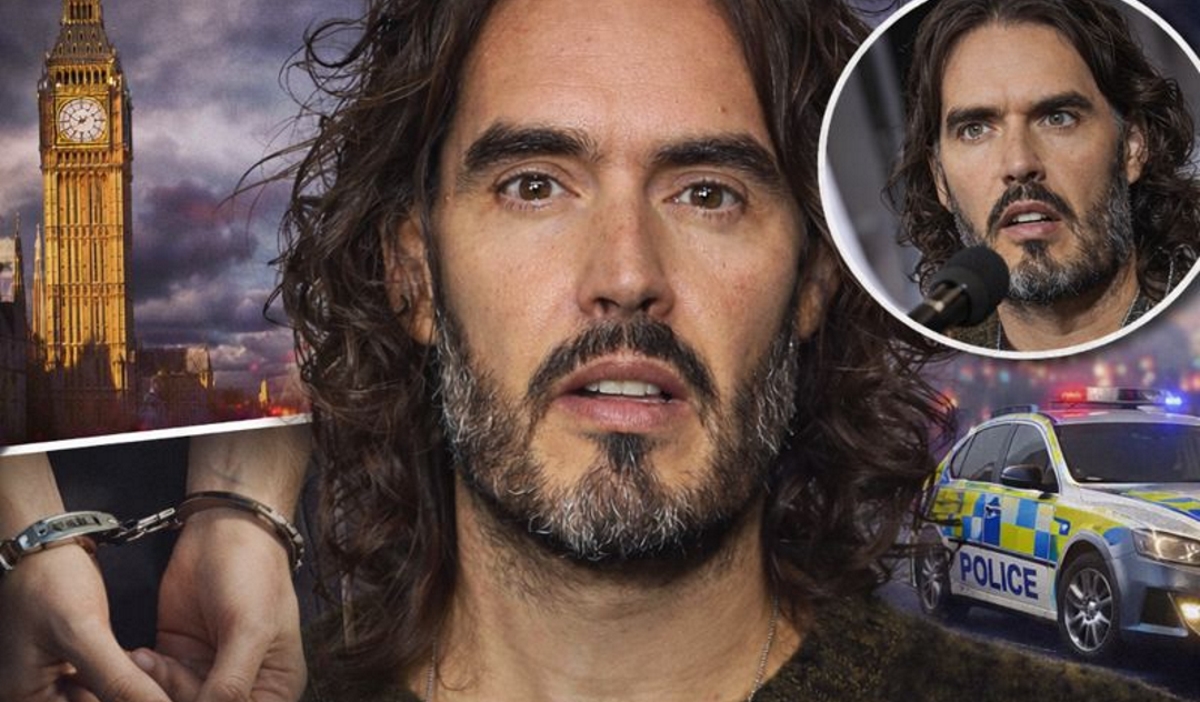
Russell Brand is once again at the center of intense public scrutiny as serious allegations continue to follow him, triggering investigations, industry fallout, and a widening debate about accountability, due process, and power. While Brand has not been convicted of any crime, the growing weight of the accusations has reshaped how he is viewed across media, politics, and entertainment.
The allegations, which span multiple years, resurfaced with force after coordinated reporting brought forward accounts from several women who described experiences they say involved sexual misconduct. The claims immediately sent shockwaves through the entertainment world, not only because of their gravity, but because of Brand’s high-profile transformation in recent years.
Built his career on provocation, confession, and radical candor. Once a fixture of mainstream comedy and Hollywood films, he later rebranded himself as an anti-establishment commentator with a massive online following. That shift has complicated public reaction, with supporters and critics interpreting the allegations through sharply different lenses.
Brand has categorically denied the accusations, insisting that all of his past relationships were consensual. In statements shared with his audience, he framed the allegations as part of a broader media and institutional campaign against dissenting voices. His response was quickly amplified by supporters who argue that he is being targeted for his political views rather than his conduct.
Others reject that framing, pointing out that the allegations were raised through detailed reporting rather than political commentary. Media analysts note that the investigation followed months of verification, a process outlined in the kind of reporting timelines that rarely satisfy everyone but aim to balance credibility and caution.
In the immediate aftermath, multiple platforms distanced themselves from Brand. Streaming services, publishers, and event organizers quietly paused or removed content associated with him, reflecting a familiar pattern seen in past cases involving public figures. Critics of those decisions argue they amount to punishment without trial, while defenders say institutions have a responsibility to mitigate risk.
Accountability doesn’t require conviction — but conviction does require evidence. — Media ethicist (@EthicsDesk) Dec 2025
Legal experts emphasize that the distinction between allegations, investigations, and charges matters. At present, Brand has not been found guilty of any offense, and the presumption of innocence remains intact. At the same time, investigators have confirmed they are reviewing information related to the claims, a procedural step explained in guides people often overlook when cases play out publicly.
The public reaction has been deeply polarized. Some see the allegations as part of a long-overdue reckoning within entertainment, where powerful figures were shielded for years. Others fear a repeat of cycles where accusation alone becomes sufficient to destroy careers.
Survivor advocacy groups have urged focus on the accounts themselves rather than Brand’s persona or politics. They argue that debates about censorship and cancel culture often drown out the experiences of those who come forward, a concern echoed in analysis that rarely dominates headlines.
When conversations turn into culture wars, survivors disappear. — Advocacy group (@SupportVoices) Dec 2025
Brand’s evolution from mainstream entertainer to countercultural figure has further complicated the narrative. His supporters argue that his skepticism of institutions makes him a target. Critics counter that popularity and ideological alignment should not insulate anyone from scrutiny.
Industry insiders say the case highlights a broader shift. Entertainment companies are increasingly unwilling to absorb reputational risk, even when legal outcomes remain unresolved. That shift has been tracked quietly in internal industry discussions about liability and public trust.
For Brand, the consequences are already tangible. Live appearances have been canceled, partnerships severed, and his public standing altered. Whether those outcomes prove temporary or permanent may depend on the findings of ongoing investigations and how the legal process unfolds.
Observers note that the speed of reaction reflects how public accountability now operates. Information spreads faster than courts move, and reputations are shaped in real time. That reality has fueled calls for clearer standards on how institutions respond to unresolved allegations.
The court of public opinion moves faster than any courtroom ever will. — Legal commentator (@JusticeLens) Dec 2025
As scrutiny continues, the situation remains fluid. Investigators have not announced charges, and Brand maintains his innocence. What happens next will likely hinge on whether the allegations are substantiated through formal legal channels.
For now, the case sits at the uneasy intersection of belief, evidence, and influence. It forces uncomfortable questions about how society weighs accusation against proof, and how power shapes who is believed and when.
Regardless of outcome, the episode has already left a mark — not just on Brand, but on a cultural moment still struggling to define justice in the age of instant judgment.