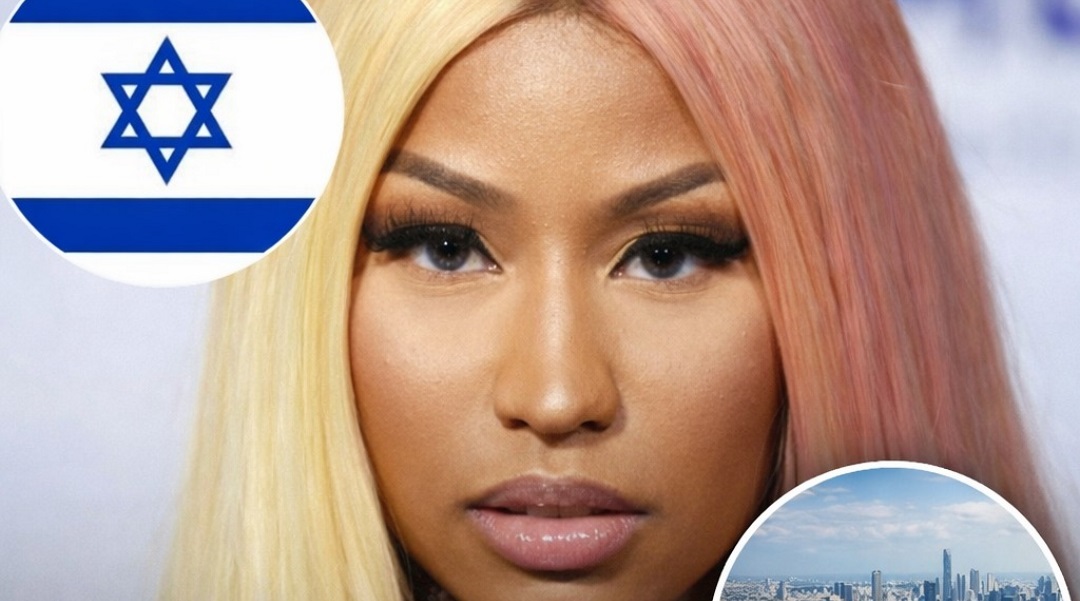
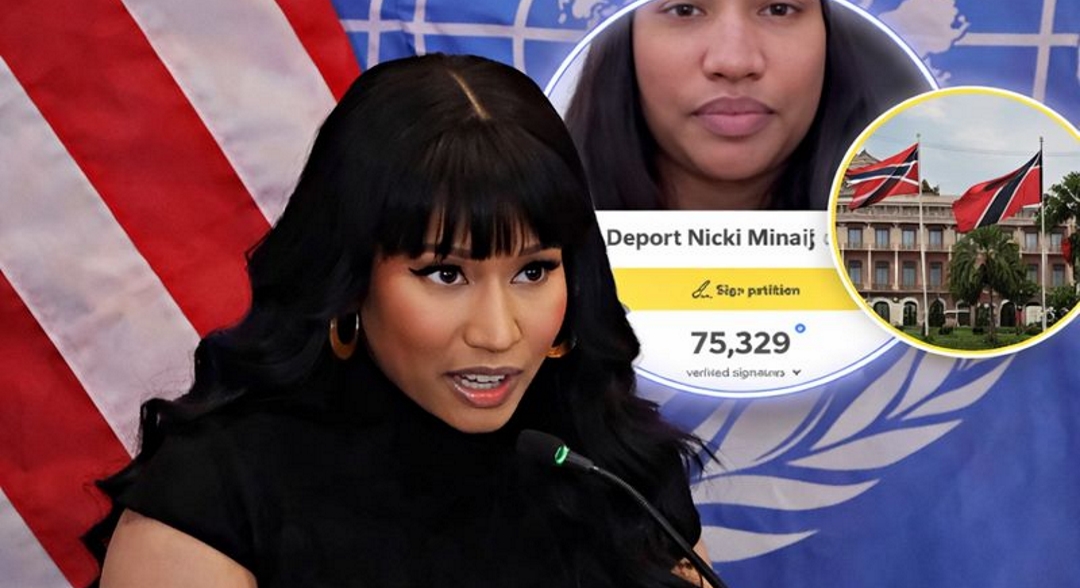
The image hit timelines like a thunderclap. Nicki Minaj at a podium, flags behind her, a petition counter climbing past 75,000 signatures. Within hours, the story became unavoidable, pulling fans, critics, and free-speech advocates into a heated digital standoff.
The petition itself calls for the deportation of her, citing a mix of grievances that range from political statements to online controversies. Supporters of the petition argue it’s a form of protest. Opponents call it performative outrage with no legal grounding.
What’s undeniable is the speed. The signature count surged in a matter of days, fueled by viral clips, reaction threads, and algorithmic momentum. Screenshots of the petition page were shared alongside commentary dissecting Minaj’s past remarks and public feuds.
Legal experts were quick to point out that celebrity deportation via online petition isn’t how immigration law works. Articles explaining the actual process circulated almost as fast as the petition itself, stressing that signatures do not translate into enforcement.
Still, the optics mattered. The framing—“deportation”—was enough to ignite fear among fans and anger among civil liberties groups. For many, it echoed darker chapters of online mob behavior, where political disagreement morphs into calls for removal and silencing.
Minaj’s supporters mobilized quickly. Fan accounts pushed back, arguing that the petition weaponizes bureaucracy against a woman who has always been outspoken. They pointed to free-speech protections, insisting that controversial opinions—however polarizing—are not grounds for banishment.
Critics countered that celebrity influence carries responsibility. They argued that when a global figure amplifies claims or rhetoric, scrutiny is inevitable. Threads compiling old interviews and social posts resurfaced, each side curating its own narrative.
What made this moment different was the international angle. Because Minaj was born outside the continental U.S., some commenters seized on citizenship misconceptions. Fact-checks debunking those claims were widely shared, including primers on citizenship basics that clarified what can—and cannot—trigger removal.
The petition’s growth also raised questions about platform incentives. Digital campaigns thrive on outrage; the sharper the headline, the faster the spread. Media analysts referenced how petitions go viral, noting that attention often outpaces accuracy.
You can disagree with Nicki Minaj without calling for deportation. This is a dangerous line to cross.— CultureBrief (@CultureBrief_) February 2026
As the number climbed, the conversation fractured. Some users celebrated the milestone as accountability. Others warned it normalized punitive language against immigrants and artists alike. Advocacy groups highlighted how easily “deportation” becomes a catch-all threat in online disputes.
Minaj herself has not issued a formal statement addressing the petition’s specifics. However, allies close to her say she views the campaign as noise amplified by algorithms, not a legitimate legal challenge. That silence has only intensified speculation.
Beyond Minaj, the episode exposed a broader cultural fault line. When political disagreement meets celebrity culture, the result can be disproportionate escalation. Calls for boycotts turn into calls for removal; critique becomes coercion.
Scholars studying digital conflict argue that these moments reveal how platforms reward extremity. Content that frames opponents as illegitimate—rather than wrong—travels farther and faster. It’s why explainers on viral outrage cycles suddenly felt relevant again.
Online petitions aren’t law, but the language we use still matters. Deportation shouldn’t be a punchline.— MediaEthics (@MediaEthicsNow) February 2026
For now, the petition remains symbolic—powerful in reach, powerless in effect. Yet symbols shape norms. And this one has forced a reckoning about how far online activism should go when aimed at individuals.
As the dust settles, one thing is clear: the story isn’t just about Nicki Minaj. It’s about how quickly digital crowds can escalate language, and how easily complex legal realities are flattened into viral demands.
Whether the petition fades or continues to grow, the debate it sparked is unlikely to disappear anytime soon.