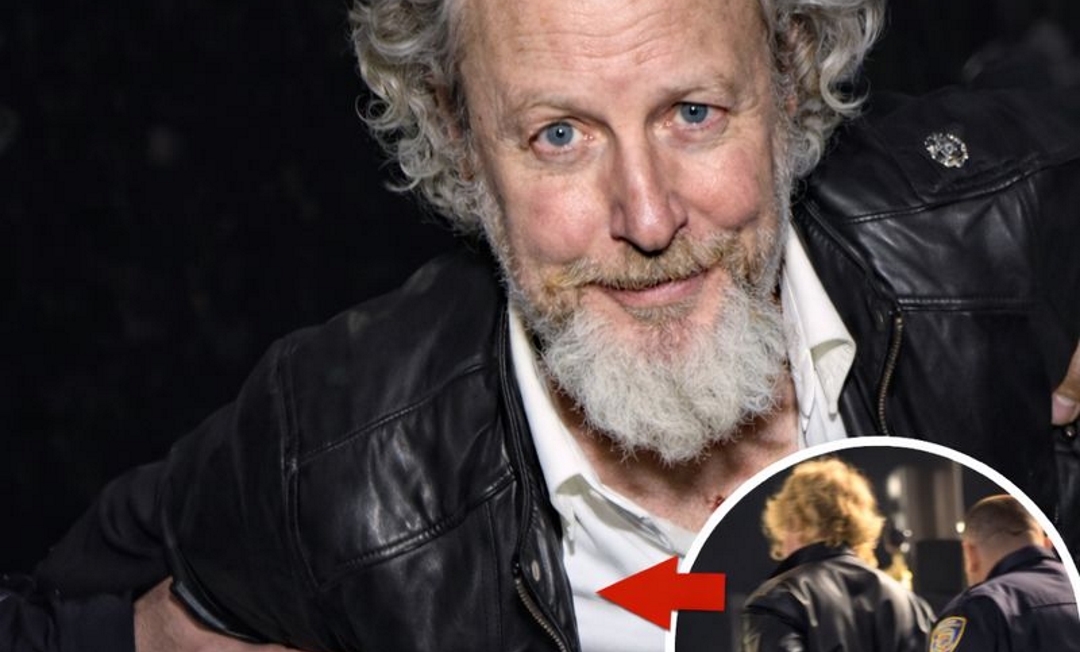
A dramatic image circulating across social media this week sent shockwaves through entertainment circles, claiming that Daniel Stern, the actor best known for playing Marv in Home Alone, had been detained by police following an alleged prostitution solicitation. The bold headline, red arrows, and blurred police imagery were enough to convince thousands of users that a major celebrity scandal had just broken.
But within hours, serious questions began to surface about whether the story was real at all.
The image spread rapidly on Facebook, X, and Instagram, racking up tens of thousands of shares. Many users reacted emotionally, expressing disbelief that the beloved comedic actor could be involved in such a situation. Others immediately began digging, searching for police records, court filings, or mainstream news coverage that might back up the claim in the usual places people check first.
What they found instead was silence.
No police department released a statement. No court docket appeared. No reputable outlet confirmed any detention, arrest, or investigation involving Stern. As the hours passed, the lack of verification became impossible to ignore.
Media analysts and fact-checkers quickly pointed out that the image showed classic signs of viral misinformation: sensational language, vague sourcing, no date or location listed, and recycled stock photos of police interactions that appeared unrelated to the actor himself. Several users noted that Stern has been publicly living a quiet life focused on art, writing, and environmental advocacy, with no recent public incidents matching the viral narrative.
There is zero evidence Daniel Stern was detained or arrested. This is a recycled clickbait image designed to go viral. — Media Fact Check (@MediaFactWatch) January 2026
As scrutiny increased, many concluded the image was part of a broader trend of fabricated celebrity scandals designed purely for engagement. These posts often rely on shock value, banking on the fact that users will share first and verify later — if at all. The formula has become disturbingly effective in the attention economy according to media watchdogs.
Daniel Stern himself has not issued a statement, which experts say is often the recommended approach when dealing with baseless online rumors. Responding can unintentionally amplify false claims, giving them legitimacy they otherwise wouldn’t have.
Fans were quick to defend the actor once the story unraveled. Comment sections that initially expressed outrage or sadness pivoted toward anger at the pages spreading the image. Many called for stricter moderation on viral news content, especially when it involves criminal allegations against real people.
This isn’t the first time a well-known figure has been targeted by a fabricated arrest narrative. Similar false claims have circulated in recent years involving musicians, actors, and even retired public figures, often using doctored images or misleading headlines to imply wrongdoing where none exists as documented by fact-checking organizations.
Reminder: if there’s no police report, no court record, and no reputable coverage — it’s probably fake. — Digital Literacy Lab (@DigLitLab) January 2026
The episode highlights how easily nostalgia can be weaponized online. By attaching a shocking accusation to a familiar face from childhood films, these posts exploit emotional trust built over decades. Experts warn that as AI-generated imagery and manipulated photos improve, these types of hoaxes may become even harder to detect without careful scrutiny.
For now, all available evidence indicates that the claim involving Daniel Stern is unfounded. No arrest. No detention. No investigation. Just another reminder that viral doesn’t mean verified — and that even beloved icons are not immune from being pulled into the internet’s misinformation machine.