
The video hit social media within minutes. A white U-Haul truck edging forward, then surging into a tightly packed crowd waving Iranian flags and chanting against the Tehran regime. Screams cut through the noise as people scattered in every direction, some tripping, others falling under the crush as panic ripped through downtown Los Angeles.
What had started as a loud but largely peaceful anti-Iran regime protest turned into a scene of blood, sirens, and confusion almost instantly. Witnesses said the truck appeared to accelerate as it entered the crowd, mowing through protesters before coming to an abrupt stop amid overturned barricades and bodies on the pavement.
Police flooded the area within seconds. Officers with batons and rifles formed lines, while medics dropped to their knees beside injured protesters, applying tourniquets and chest compressions as the crowd screamed for help. Cellphone footage from multiple angles shows chaos unfolding faster than anyone could process.
Early police statements emphasized that the investigation was ongoing, but officials confirmed several people were hospitalized with serious injuries. Whether the incident was intentional or reckless remained under intense scrutiny, as law enforcement sifted through surveillance footage and interviewed the driver.
The protest itself had drawn thousands. Many were Iranian-American families protesting the Islamic Republic’s leadership, waving pre-revolution flags and chanting slogans demanding change. For many in attendance, the rally was deeply personal, tied to relatives imprisoned or killed overseas, as documented in ongoing reporting about Iran’s internal crackdowns.
That context only deepened the shock. Survivors described a moment of disbelief, followed by terror. One woman told local reporters she thought she was about to die as people fell on top of her. Another man said he watched a stranger get pinned under the truck’s bumper, screaming for help as others tried to pull him free.
As images spread online, comparisons to other vehicle-ramming incidents quickly surfaced. Security analysts noted how vehicles have increasingly been used as weapons in crowded spaces, a trend examined in recent security breakdowns that warn cities remain vulnerable despite barriers and police presence.
By nightfall, downtown Los Angeles was locked down. Helicopters circled overhead while crime-scene tape stretched across multiple blocks. Protest signs, shoes, and flags littered the street, frozen reminders of how quickly public gatherings can spiral into catastrophe.
I was there. One second we’re chanting, the next people are screaming and running. I still can’t believe what I saw. — L.A. Witness (@lawitness23) January 2026
The U-Haul brand itself was pulled unwillingly into the spotlight. While the company has no connection to the incident beyond vehicle ownership, the visual impact of a recognizable rental truck plowing into a crowd fueled outrage online. Similar branding visibility has previously amplified public reaction in other high-profile incidents, as discussed in past case studies on public perception.
Community leaders urged calm but also demanded answers. Many questioned how a large truck was able to get so close to a dense crowd despite visible police presence. Protest organizers said they had coordinated with city officials and believed safety measures were in place.
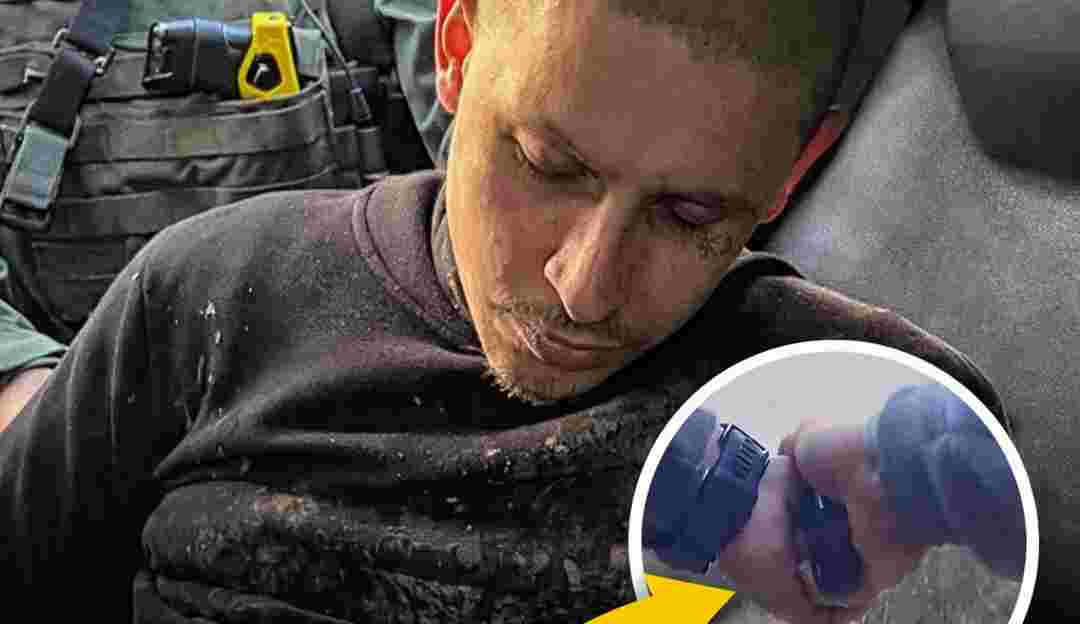
Law enforcement sources later confirmed the driver was taken into custody at the scene. Officials stopped short of calling the incident terrorism, emphasizing that motive had not yet been determined. Still, the political context of the protest and the timing raised unavoidable questions.
This could have been so much worse. Cities need to rethink crowd protection now — not after the next tragedy. — Urban Safety Watch (@UrbanSafetyNow) January 2026
Across Los Angeles, Iranian-American groups expressed grief and anger. Many said the attack felt like an assault not just on individuals, but on their right to protest safely. Advocacy groups pointed to years of activism that have already carried emotional and physical risks, now compounded by violence on U.S. soil.
City officials promised a full review of protest security protocols. Experts warned that without stronger vehicle barriers and clearer perimeter enforcement, crowded demonstrations remain dangerously exposed. For those injured, however, policy debates offered little comfort.
As night turned to morning, cleanup crews washed blood from the street while flowers and handwritten notes appeared along the barricades. The protest that was meant to demand accountability abroad instead left Los Angeles grappling with its own questions about safety, response, and the fragile line between free expression and sudden violence.