
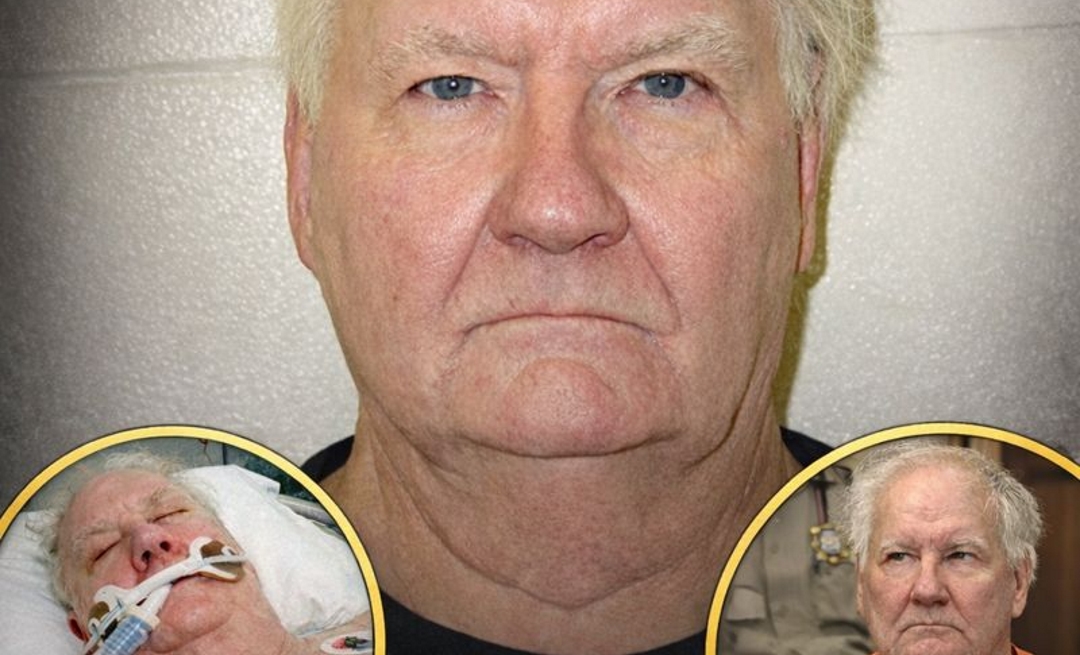
The paperwork said he was gone. A time of death was recorded, medical staff stepped away, and a prisoner serving a life sentence was officially pronounced dead inside a state correctional facility. For a brief moment, the system treated his punishment as finished.
Then his chest moved.
Guards froze as medical staff rushed back in, stunned to find signs of life returning to a man they had just certified as deceased. Oxygen was reapplied, alarms sounded, and the prison’s quiet administrative certainty collapsed into chaos. By the time he was stabilized and transported, the story had already crossed an invisible line from tragedy into something far stranger.
The inmate later claimed that because he had legally died, his sentence had been fulfilled. In his view, the state had carried out the punishment in full, even if unintentionally. His attorneys echoed the argument, pointing to case law debates surrounding punishment finality and raising questions explored in discussions about constitutional limits on repeated punishment.
The incident reportedly began when the prisoner experienced a severe medical emergency inside his cell. Accounts suggest cardiac distress followed by loss of consciousness, prompting emergency response from on-site medical staff. After prolonged resuscitation attempts failed, a doctor officially pronounced death, triggering standard procedures reserved for inmate fatalities.
What happened next unsettled even seasoned corrections officials. Minutes later, faint breathing returned. A pulse followed. The man was alive, though critically ill. In the span of less than an hour, he had moved from condemned inmate to legal anomaly.
A man was pronounced dead in prison, revived, and now argues his life sentence is complete. This is not a movie plot. — Legal Watch (@LegalWatchNow) April 18, 2024
When word spread, legal scholars and armchair analysts alike fixated on the same question: can a sentence end if death occurs, even briefly. Courts have historically treated death as the final endpoint of criminal punishment, but almost never confront situations where death is reversed. Articles examining prisoner rights during medical crises rarely consider revival scenarios.
The prisoner’s legal filing reportedly emphasized that the state’s authority ended the moment death was certified. Anything that followed, the argument claimed, was outside the scope of the original sentence. Prosecutors countered that biological death must be permanent to satisfy such a threshold, framing the revival as an extension of medical error rather than legal closure.
Public reaction was swift and divided. Some viewed the claim as absurd, an attempt to exploit a clerical and medical mistake. Others found the argument unsettlingly logical, especially when framed through the rigid language of sentencing statutes and the uncomfortable reality that the system itself had declared the punishment complete.
Medical experts weighed in as well, noting that mistaken death declarations, while rare, are not unheard of. In-depth reporting on how death is medically determined shows that edge cases exist, particularly during cardiac events where resuscitation windows vary.
The case also exposed cracks in prison healthcare systems, where understaffing, delayed response times, and limited equipment can mean the difference between life, death, and procedural disaster. Advocacy groups referenced broader concerns raised in corrections oversight investigations when discussing how such an error could occur in the first place.
If the state says you’re dead, then brings you back, does the sentence restart? This case is going to haunt law schools. — Criminal Law Prof (@CrimLawProf) April 19, 2024
Inside the prison, officials reportedly tightened medical protocols and issued internal reviews, wary of further scrutiny. Outside, the legal system faced a question it was never designed to answer cleanly. Was death a moment, a condition, or an irreversible fact.
The prisoner remains incarcerated as courts review the claim, his body alive while his sentence exists in legal limbo. For now, the system insists the punishment continues, even as the record shows it once ended.