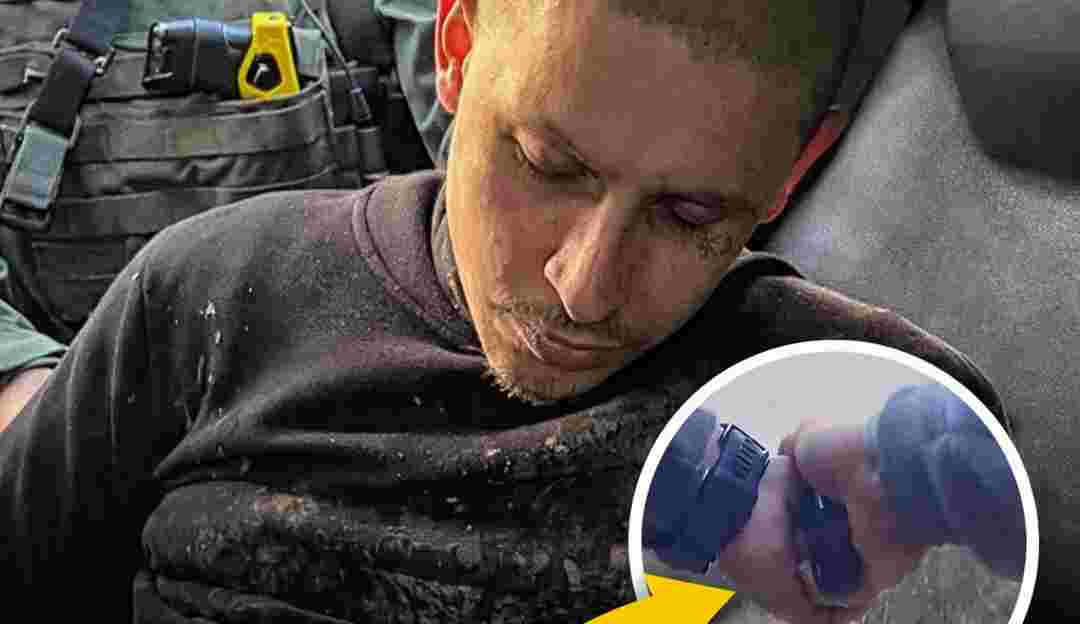
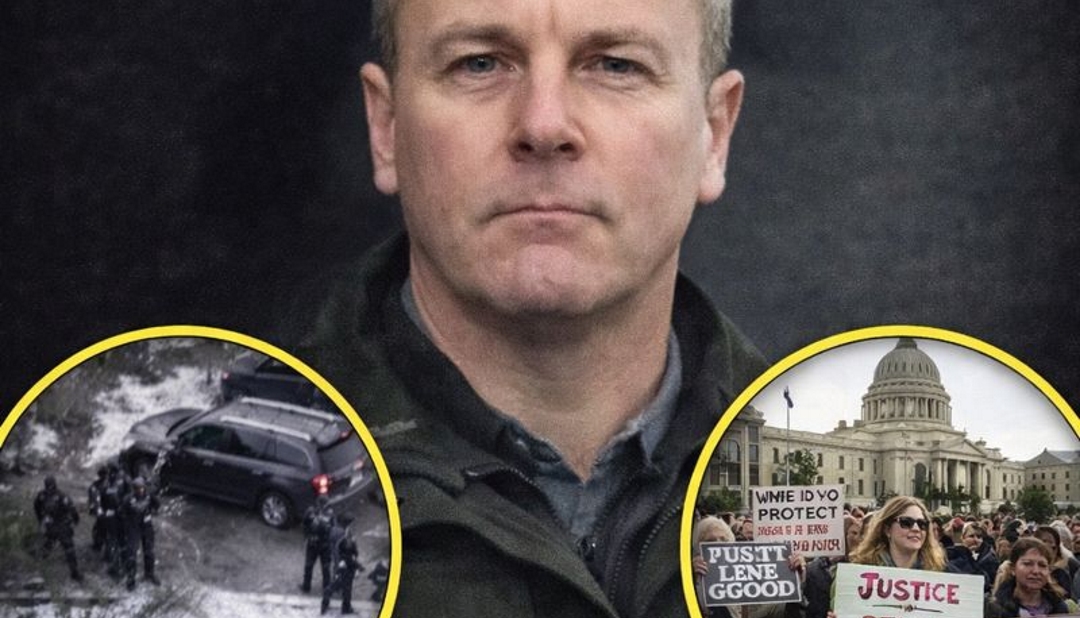
The announcement landed quietly, but the reaction was anything but. Prosecutors confirmed that the ICE agent who shot and killed Renee Good will not face criminal charges, a decision that has ignited outrage across social media, protest movements, and civil rights circles nationwide.
For many, the ruling felt like a final blow in a case already defined by grief, unanswered questions, and raw footage that continues to circulate online. Renee Good’s name has become a rallying cry, appearing on protest signs, courthouse steps, and digital timelines as anger boils over.
According to officials, the decision not to charge the agent followed an internal review that concluded the shooting was legally justified. That explanation, however, has done little to calm critics who argue the investigation was flawed from the start, pointing to what they describe as a pattern of institutional protection that shields federal agents from accountability.
Video from the scene, widely shared and dissected frame by frame, shows a chaotic confrontation in icy conditions. Supporters of the ruling argue the footage supports the agent’s account, while critics say it raises even more troubling questions — especially when viewed alongside deep reporting on enforcement failures that has emerged in recent years.
Renee Good’s family responded with a statement expressing devastation and disbelief. They described the decision as “a declaration that some lives are expendable,” adding that they plan to pursue civil action. Legal experts say that path may be the only remaining avenue for accountability, echoing patterns seen in similar high-profile cases involving federal agents.
What has fueled much of the public fury is not just the outcome, but the process itself. The investigation relied heavily on internal assessments, a structure critics say creates an inherent conflict of interest. Civil rights advocates argue that without independent oversight, justice becomes conditional — especially when federal authority is involved.
No charges. No trial. No accountability. Renee Good deserved better. — Civil Rights Corps (@CivRightsCorps) May 14, 2024
The protests erupted almost immediately after the announcement. Demonstrators gathered outside government buildings holding signs reading “Justice for Renee Good” and “No One Above the Law.” In several cities, crowds grew as footage from the incident replayed on screens and phones, reigniting debates about enforcement tactics and use of force.
Legal analysts note that federal agents operate under a unique set of protections, often making criminal charges rare even in fatal encounters. That reality has been explored extensively in breakdowns of federal use-of-force standards, which critics say are tilted heavily toward officer discretion.
Supporters of the agent insist the decision reflects the rule of law, not favoritism. They argue that dangerous, fast-moving situations leave little room for hesitation and that hindsight should not dictate criminal liability. Still, even some law enforcement veterans have expressed discomfort with how the case was handled.
On social media, the divide has been stark. Some users frame the ruling as proof that law enforcement is under constant attack, while others see it as yet another example of a system unwilling to hold itself accountable. The clash has mirrored broader national arguments examined in ongoing policy debates about oversight and reform.
If this doesn’t lead to independent oversight, nothing will. — Rep. Pramila Jayapal (@RepJayapal) May 14, 2024
The Department of Homeland Security has defended the process, stating that all evidence was reviewed thoroughly and impartially. But critics counter that transparency has been limited, with key documents and decision-making details remaining sealed from public view.
For Renee Good’s supporters, the focus now shifts from the courtroom to the streets — and to the ballot box. Activists are calling for legislative changes that would mandate independent prosecutors in cases involving federal agents, a proposal that has gained traction following years of documented concerns.
As the protests continue and the legal options narrow, one thing is clear: this decision has left a permanent mark. Whether it leads to reform or fades into the long list of unresolved cases will depend on what happens next — and whether public pressure can force a system to confront itself.