Categories News Politics

Trump Signals Possible Travel Crackdown as Six European Countries Suddenly Face U.S. Entry Threat

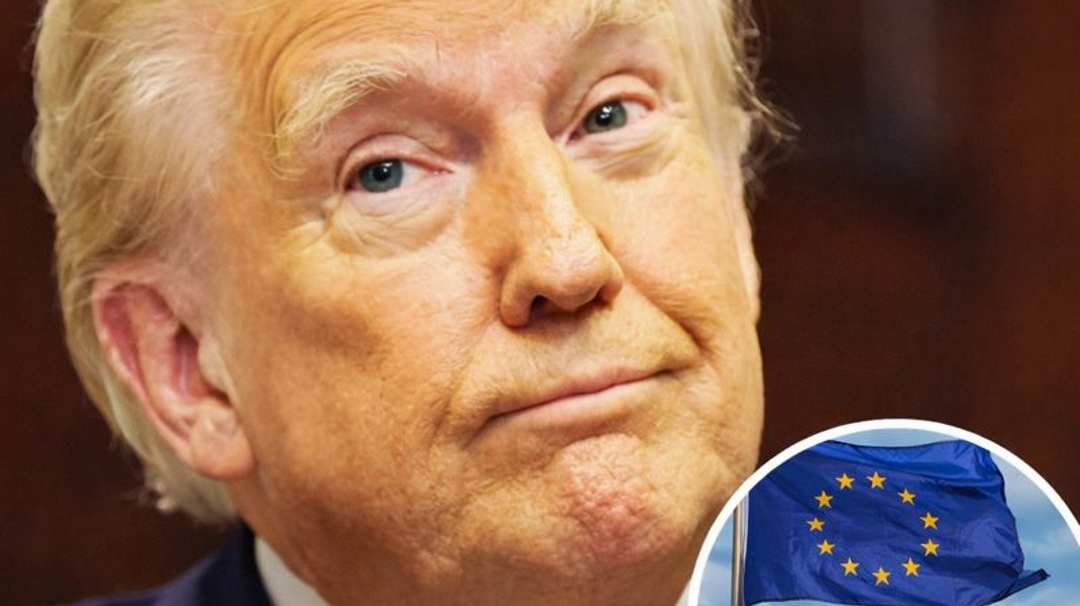
The statement didn’t come with a signed order or an official White House briefing, but it landed like a warning shot. In recent remarks, Donald Trump suggested that his administration could move to block citizens from six European countries from entering the United States, reigniting memories of the travel bans that defined the earliest and most chaotic days of his presidency.

The comment surfaced during a broader discussion about immigration enforcement and national security, where Trump once again framed border control as a test of political strength. According to aides familiar with the conversations, the idea has been circulating internally as part of a renewed push to tighten entry rules, a posture that echoes policies that once triggered immediate legal challenges and mass airport protests.

Trump did not publicly name all six countries, but he pointed directly to Europe as a region he believes has failed to properly control migration and security screening. The suggestion alone was enough to set off alarm bells among diplomats, especially after similar rhetoric previously led to executive orders that were ultimately reviewed by the Supreme Court.

During his first term, Trump’s travel restrictions targeting predominantly Muslim countries reshaped U.S. immigration law and diplomatic relations overnight. Airports descended into confusion as travelers were detained or turned away, scenes that were later documented in court filings and eyewitness accounts. Critics argue the new signals suggest a willingness to repeat that upheaval, this time with European allies in the crosshairs.


European officials reacted cautiously but urgently. Several foreign ministries quietly began internal assessments of how such a ban could affect business travel, student visas, and diplomatic mobility. One EU official described the mood as “uneasy déjà vu,” referencing the strain placed on transatlantic relations during Trump’s earlier immigration battles that were widely criticized across Europe.

Trump allies argue the proposal is about leverage, not punishment. They claim that threatening entry restrictions could force European governments to increase cooperation on intelligence sharing and migration enforcement. Supporters point to past negotiations where aggressive rhetoric preceded policy shifts that were later hailed as victories by the former president’s base.

Immigration advocates see it differently. They warn that even signaling such a move can have immediate consequences, including canceled travel plans, stalled academic programs, and heightened fear among immigrants with legal status. Similar effects were documented during the earlier bans, when universities and employers scrambled to respond to policies that were announced with little notice.

Legal experts also note that blocking European countries would represent a dramatic escalation. Unlike previous bans, which were framed around terrorism risk, a Europe-focused restriction would likely face scrutiny over whether it violates international agreements and trade commitments outlined in longstanding U.S.–EU frameworks.

The political timing is impossible to ignore. Trump has increasingly leaned into hardline immigration messaging as he seeks to consolidate support, portraying strict entry controls as proof of decisive leadership. Advisers believe the threat alone energizes voters who remember the original travel ban as a defining moment of his presidency, one that dominated headlines and cable news cycles for weeks on end.

Whether the idea becomes policy remains uncertain, but the signal itself has already done its job. It has unsettled allies, galvanized supporters, and reopened one of the most polarizing chapters of recent U.S. history. For millions of would-be travelers, the question is no longer whether a ban is signed, but how quickly words can turn into borders slammed shut.

LEAVE US A COMMENT

Comments

comments

More From Author

Leave a Reply

Your email address will not be published. Required fields are marked *

You May Also Like

New Research Reveals What Women Actually Think About Penis Size — And It’s Not What Most Men Fear

For generations, penis size has hovered over male confidence like a silent verdict, reinforced by…

Danish Lawmaker Flatly Rejects Trump’s Greenland Claim, Saying No Deal Ever Existed

The image spread quickly online: Donald Trump looking to the side, a map of Greenland…

New Approval Numbers Reveal What Voters Actually Think About Trump’s Second Term

The latest approval numbers are landing at a moment when political fatigue, economic anxiety, and…