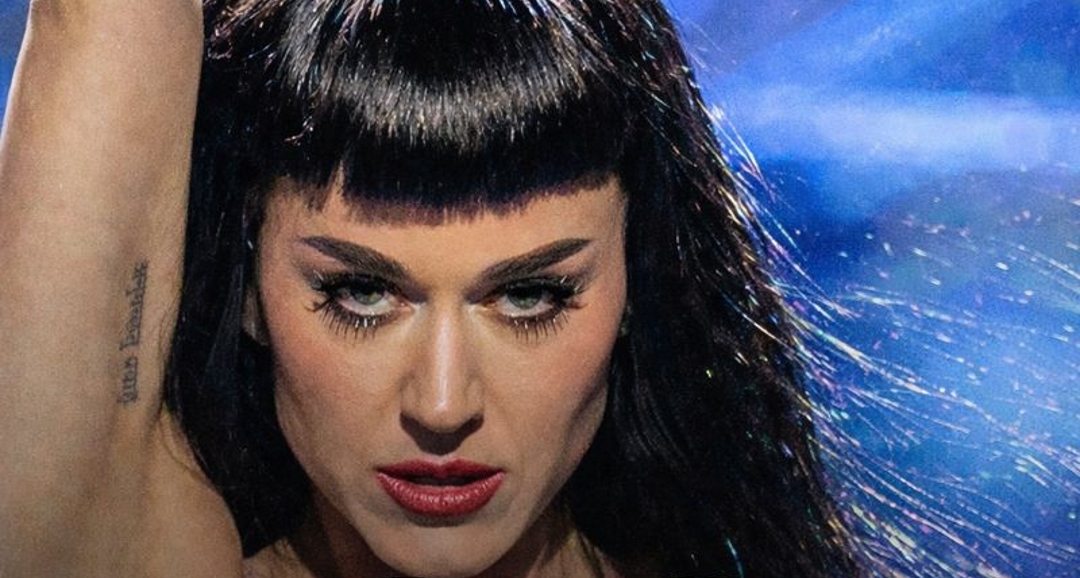
The image was striking, but the story behind it hit far harder. Katy Perry, one of pop music’s most recognizable stars, is now facing intense public backlash after becoming entangled in a $5 million lawsuit involving a dying military veteran — a case critics say exposes a brutal imbalance of power.
The controversy centers on a long-running property dispute that quietly unfolded behind the scenes, before erupting into public view once details of the lawsuit became widely shared across social media and entertainment outlets. What might have remained a private legal matter instead ignited outrage after reports confirmed the defendant was terminally ill and receiving end-of-life care.
According to court filings referenced in detailed reporting on the dispute, Perry and her legal team pursued damages tied to a contested real estate transaction, even as the veteran’s health deteriorated. The optics alone were enough to trigger backlash, but the specifics pushed the story into viral territory.
The veteran, described in legal documents cited by multiple national outlets, had allegedly signed agreements years earlier that later became the subject of dispute. His family claims he was no longer mentally or physically capable of fully understanding the transaction at the time key documents were executed.
Perry’s representatives have maintained that the lawsuit was strictly about enforcing contractual obligations, not targeting an individual’s health status. In statements echoed by entertainment industry coverage, her team emphasized that the matter was handled through standard legal channels and denied any intent to cause harm.
That explanation did little to calm critics. Advocacy groups and online commentators quickly framed the case as another example of wealth and celebrity overwhelming vulnerable individuals. Posts dissecting the lawsuit spread rapidly on platforms highlighted by media watchdog reporting, fueling calls for Perry to withdraw the claim entirely.
The backlash intensified after photos of the veteran in hospice care circulated alongside headlines describing the multimillion-dollar damages being sought. Legal experts quoted in analysis of celebrity litigation risks noted that while the lawsuit may be legally permissible, the reputational fallout was entirely predictable.
For Perry, the timing couldn’t be worse. The singer has been working to reposition her public image in recent years, focusing on motherhood, philanthropy, and reinvention. Instead, the lawsuit has overshadowed that narrative, with critics arguing it contradicts the compassionate persona she has publicly embraced.
Even fans expressed discomfort. Comment sections reviewed in music culture coverage show longtime supporters questioning why a global superstar would continue a costly legal fight against someone with limited means and limited time.
Legal analysts point out that high-profile figures often rely on attorneys to manage disputes, but public perception rarely separates the person from the process. As outlined in broader reporting on celebrity accountability, the court of public opinion operates independently of legal nuance.
The case remains unresolved, but its impact is already clear. What began as a contractual disagreement has evolved into a moral referendum, one that has forced uncomfortable conversations about power, empathy, and responsibility when fame collides with vulnerability.
Whether Perry ultimately prevails in court may matter less than how the story ends in the public consciousness. For many watching, the damage has already been done.