Categories News Politics

Calls to Boycott the World Cup Erupt After Trump Signals Sweeping Entry Ban on 15 Countries

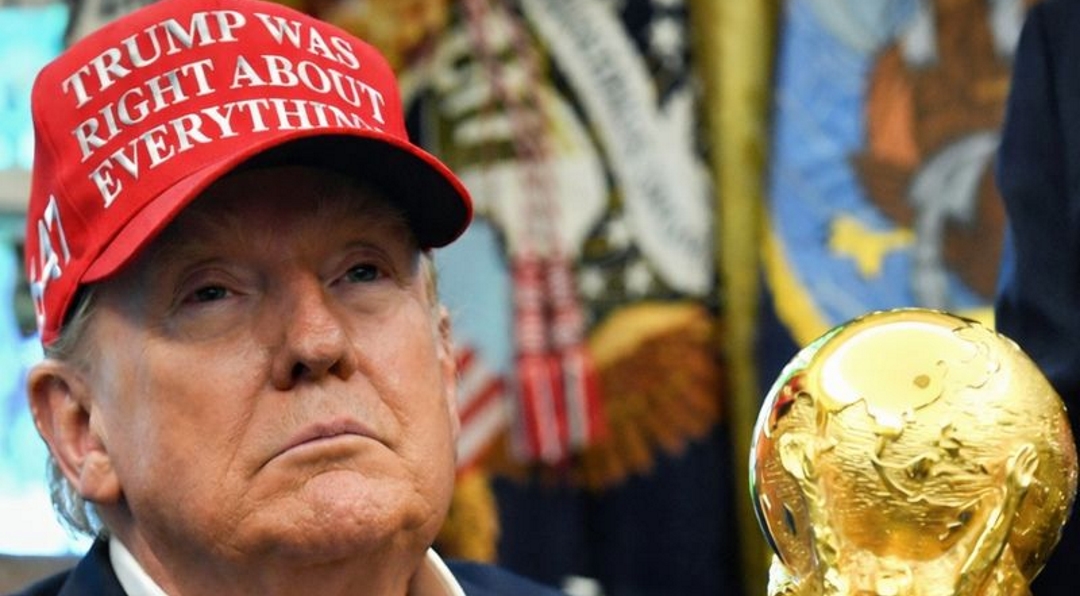
The image was jarring and deliberate. Donald Trump holding a World Cup trophy while wearing a slogan-heavy red cap circulated widely online, but it was the policy threat behind it that triggered global backlash. After Trump signaled plans to bar citizens from 15 countries from entering the United States, outrage quickly spilled into the world of international sports.

The reaction was immediate. Fans, activists, and commentators began calling for a boycott of the World Cup, arguing that a tournament built on global participation cannot coexist with sweeping entry restrictions. The controversy gained momentum as clips of Trump’s remarks spread across television news coverage and social platforms within hours.

Trump framed the proposal as a national security measure, reviving rhetoric that closely mirrors the travel bans of his first term. Those earlier restrictions, which sparked chaos at airports and fierce legal challenges documented in court records and reporting, remain one of the most polarizing chapters of his presidency.

This time, the stakes are different. The United States is set to host major World Cup matches, an event expected to bring millions of international visitors. Critics argue that banning travelers from 15 countries undermines the spirit of the tournament and risks diplomatic fallout with soccer federations that have already expressed concern in European media analysis.

Social media quickly filled with calls for action. Fans pointed out that teams, journalists, and supporters from affected countries could be denied entry, turning a global celebration into a selective spectacle. Hashtags calling for a boycott trended as commentators cited FIFA’s own inclusion principles to argue that the organization must intervene.

Sports historians noted that the World Cup has long carried political weight, often reflecting tensions far beyond the pitch. From Cold War-era matches to modern human rights debates, the tournament has repeatedly collided with global politics, a pattern explored in long-form sports history coverage.

Immigration advocates warned that even the threat of such bans could deter travel months in advance. Universities, sponsors, and broadcasters began quietly assessing risks, recalling how previous restrictions led to confusion that was widely criticized by business and diplomatic leaders.

Trump allies dismissed boycott calls as performative outrage. They argued that the former president’s base views strict entry policies as a strength, not a liability, and that international pressure would not sway decisions rooted in sovereignty. Similar defenses were raised during past disputes covered extensively in conservative media.

But the optics remain volatile. The image of a U.S. president threatening mass entry bans while positioning himself alongside the world’s most global sporting event has sharpened criticism from both political and athletic communities. Analysts cited in sports business reporting warned that sponsors may face pressure to take a public stance.

Whether a boycott materializes is still uncertain, but the damage to trust is already visible. What was meant to be a showcase of unity is now entangled in immigration politics, with fans questioning whether the World Cup can truly belong to the world if the host nation decides who is allowed to show up.

LEAVE US A COMMENT

Comments

comments

More From Author

Leave a Reply

Your email address will not be published. Required fields are marked *

You May Also Like

Woman Sues Elon Musk’s xAI Over Alleged Sexualized Images Generated by Grok

A new lawsuit targeting Elon Musk’s artificial intelligence company has ignited serious concerns about how…

New Research Reveals What Women Actually Think About Penis Size — And It’s Not What Most Men Fear

For generations, penis size has hovered over male confidence like a silent verdict, reinforced by…

Trump Signals Possible Travel Crackdown as Six European Countries Suddenly Face U.S. Entry Threat

The statement didn’t come with a signed order or an official White House briefing, but…