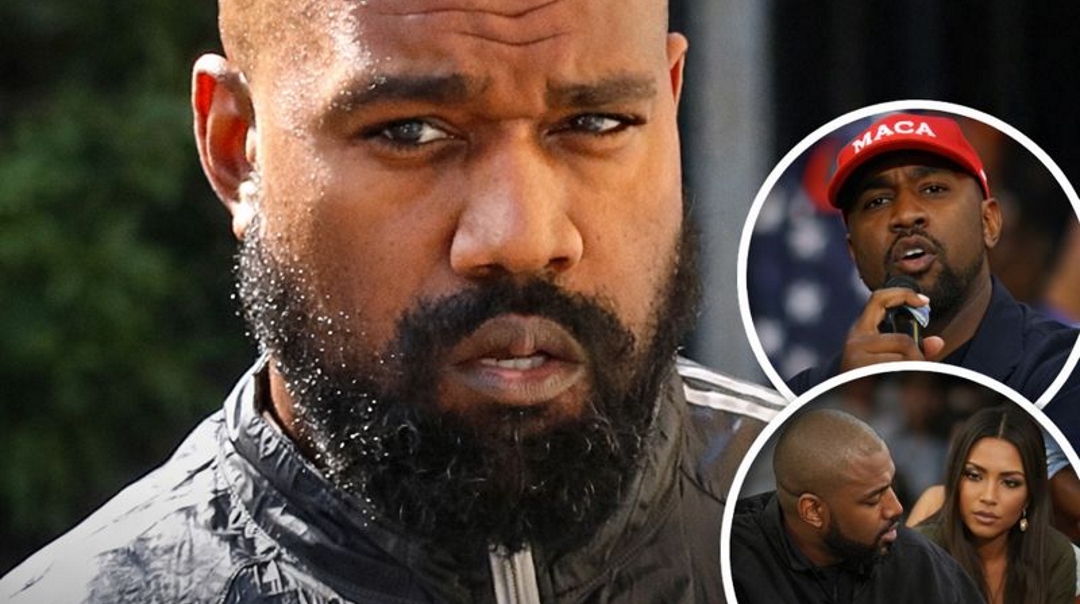
Kanye West has released a lengthy public apology while revisiting the mental health struggles that have shaped many of his most controversial moments, acknowledging the pain he says his actions have caused to people close to him and to fans who once defended him.
In a written statement shared online, West reflected on a specific period in his life that he says marked a turning point in the progression of his bipolar disorder, describing how untreated symptoms fueled impulsive decisions, public outbursts, and broken relationships. The message follows years of erratic behavior that repeatedly drew headlines and concern from mental health professionals and former collaborators.
West’s diagnosis has been widely discussed since he first confirmed it in 2018, later opening up during interviews and album releases about living with bipolar disorder. Medical experts cited in clinical explanations of bipolar disorder note that untreated episodes can significantly impair judgment, emotional regulation, and perception of reality.
In his apology, West directly addressed “those I’ve hurt,” saying he now recognizes how his words and actions created fear, embarrassment, and long-term damage. He stopped short of excusing his behavior, instead stating that understanding his condition does not erase responsibility.
The statement comes after years of public fallout, including the collapse of high-profile business partnerships, strained family relationships, and repeated criticism over antisemitic remarks that led major brands to sever ties. Coverage from entertainment and culture reporters has documented how quickly West’s professional empire unraveled following those incidents.
Mental health advocates have long emphasized the importance of separating illness from accountability, a distinction echoed by experts interviewed by psychology researchers. They note that while bipolar disorder can explain behavior patterns, meaningful recovery requires treatment, consistency, and acknowledgment of harm.
West’s apology also referenced his family, including the impact his actions had on his children. He wrote that seeing the consequences play out privately forced him to confront the disconnect between how he viewed himself and how others experienced his behavior. Sources close to the situation told music industry journalists that West has been attempting to reestablish boundaries and seek professional help.
Public reaction to the apology has been mixed. Some fans praised the tone as more reflective than previous statements, while others questioned whether it signals lasting change or represents another short-lived moment of clarity. Social media responses tracked by cultural commentators show skepticism alongside cautious optimism.
West has repeatedly framed his mental health journey as inseparable from his creativity, a stance that has drawn both admiration and criticism. In recent years, advocacy groups have urged public figures to avoid romanticizing mental illness, emphasizing the importance of treatment over mythology.
Whether this apology marks a genuine turning point remains uncertain. What is clear is that West’s words reflect a rare acknowledgment of harm after years of deflection, placing responsibility back at the center of a narrative long dominated by controversy.