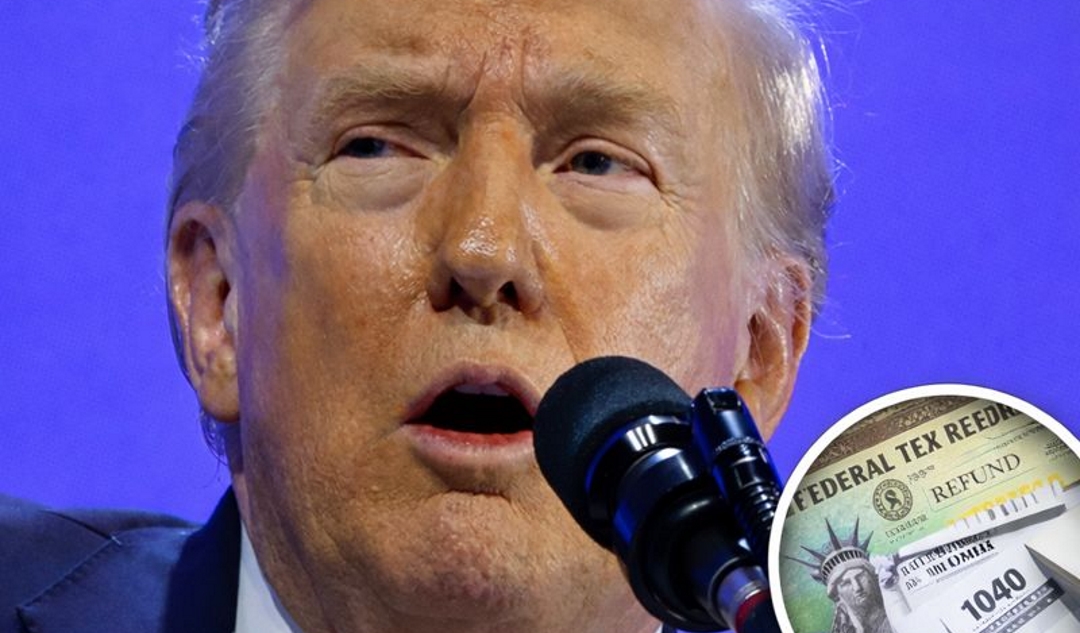
Claims that US taxpayers are about to receive the “largest tax refund in history” are circulating widely after former president Donald Trump once again touted the impact of what he calls his “One Big Beautiful Bill.” The statement has reignited debate over tax policy, government spending, and what Americans should realistically expect when filing their returns.
Trump’s comments center on the idea that sweeping tax changes introduced during his presidency — and proposals he continues to promote — would dramatically increase take-home pay and refunds for millions of households. Supporters argue the cuts stimulated growth and left workers with more money in their pockets, while critics warn the math does not match the rhetoric.
The original 2017 Tax Cuts and Jobs Act did reduce federal income tax rates for many Americans and nearly doubled the standard deduction. At the time, the Trump administration framed the legislation as a long-term win for middle-class families, promising economic expansion and sustained wage growth.
However, tax experts have repeatedly noted that lower withholding often resulted in smaller refunds for many filers, even if their overall tax burden declined. Refund size, they stress, is not the same thing as total tax savings — a distinction that frequently gets lost in political messaging.