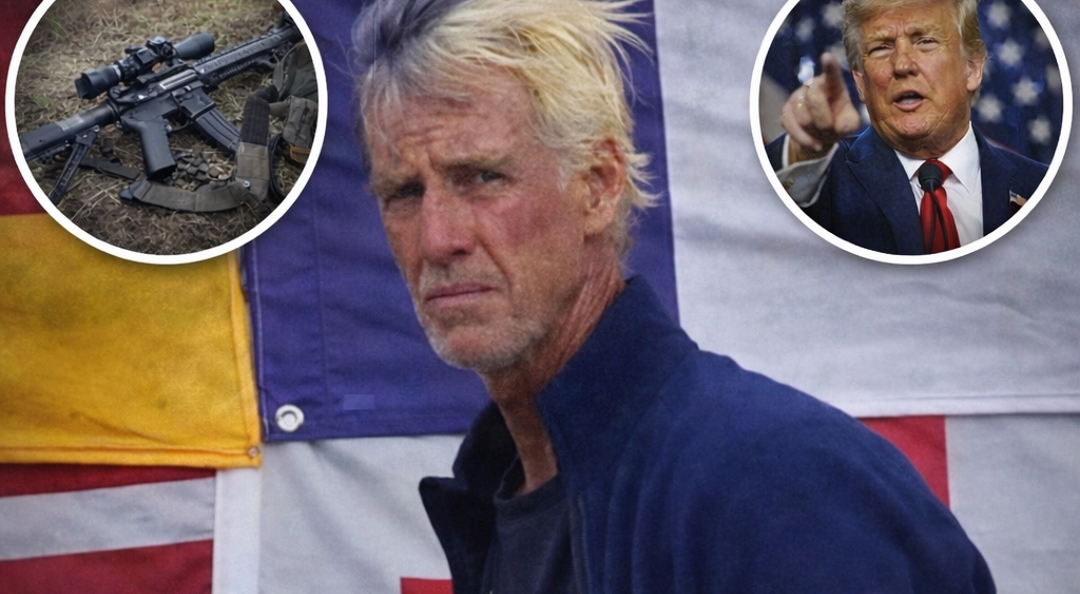
The arrest of Ryan Routh following an alleged assassination attempt targeting Donald Trump instantly became one of the most alarming political security stories in recent U.S. history. The case shocked Americans not only because of the target but also because of the circumstances surrounding the suspect, the security breach, and the broader questions it raised about political violence in a deeply divided era.
While the investigation is still unfolding, court filings, law enforcement statements, and emerging reporting have revealed several critical themes shaping how experts, lawmakers, and the public understand the case. These four takeaways highlight why the incident continues to resonate far beyond the initial headlines.
1. The alleged plot exposed evolving threats against political figures
One of the most unsettling aspects of the case is how it demonstrated the shifting nature of threats facing high-profile political leaders. According to investigators, Routh allegedly positioned himself near Trump’s golf course in Florida with a rifle and other equipment, raising immediate concerns about how modern lone-actor threats are developing.
Security analysts have increasingly warned that politically motivated violence has become more unpredictable, with individuals acting independently rather than as part of organized extremist networks. In a breakdown of the suspect’s alleged movements and arrest timeline, authorities described how a Secret Service agent spotted a weapon barrel protruding from shrubbery, prompting rapid intervention that prevented potential tragedy.
The case underscores a growing concern within federal law enforcement: lone individuals driven by ideology, grievance, or personal radicalization can present security challenges that are far harder to detect than coordinated plots. Experts say this type of threat environment forces protective agencies to rely heavily on surveillance, intelligence monitoring, and rapid response protocols rather than traditional infiltration tactics.