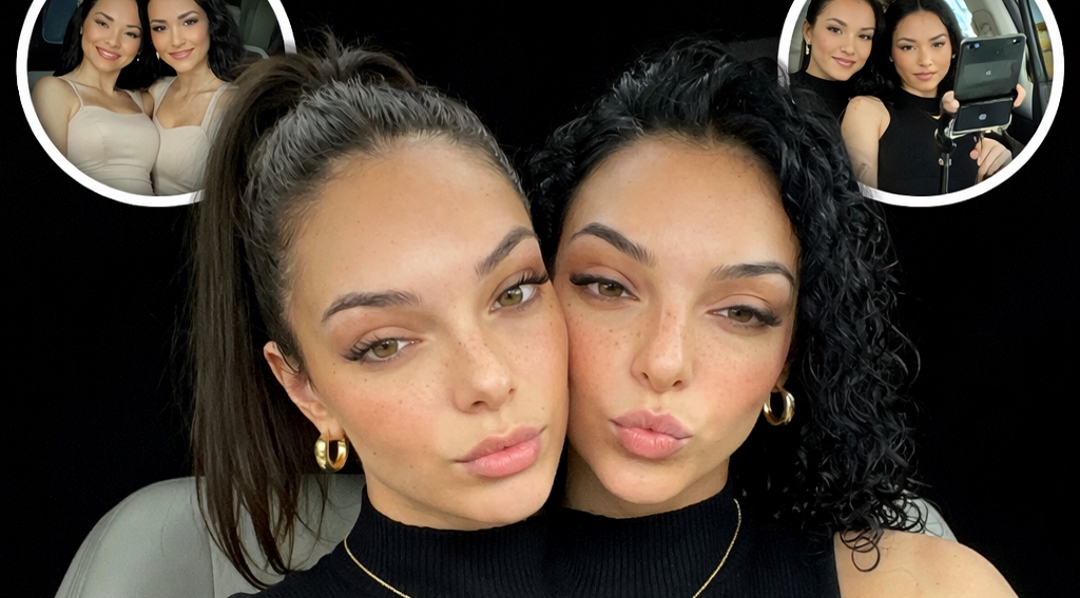
Social media has created an entirely new kind of celebrity—one where personal identity, private life, and medical uniqueness can become global content within seconds. Among the most widely followed are conjoined twin influencers who have built large audiences by sharing daily routines, life milestones, and personal perspectives. Recently, renewed online allegations and viral speculation involving one high-profile conjoined twin influencer account have triggered intense debate, drawing attention not only to the twins themselves but also to the complicated intersection of disability visibility, internet fame, and online rumor culture.
While many claims circulating online remain unverified or misunderstood, the controversy has revealed several deeper truths about influencer culture, public curiosity, and how rapidly narratives can spread across digital platforms. These six key realities explain why the situation has captured global attention.
1. Viral attention often blurs the line between personal storytelling and public scrutiny
Conjoined twin influencers frequently share intimate details about daily life, relationships, health challenges, and career achievements. Their content often aims to educate audiences about living with rare medical conditions while normalizing experiences that are often misunderstood.
However, experts in disability advocacy note that visibility can also attract invasive curiosity. When influencer accounts reach hundreds of thousands of followers, routine posts can become subjects of intense public speculation. In reporting examining how disability influencers navigate public attention, advocates explain that audiences often struggle to separate respectful interest from intrusive questioning, especially when medical conditions become part of public identity.
This environment can create pressure for influencers to address rumors quickly, even when those rumors originate from misinformation or online misinterpretation.