
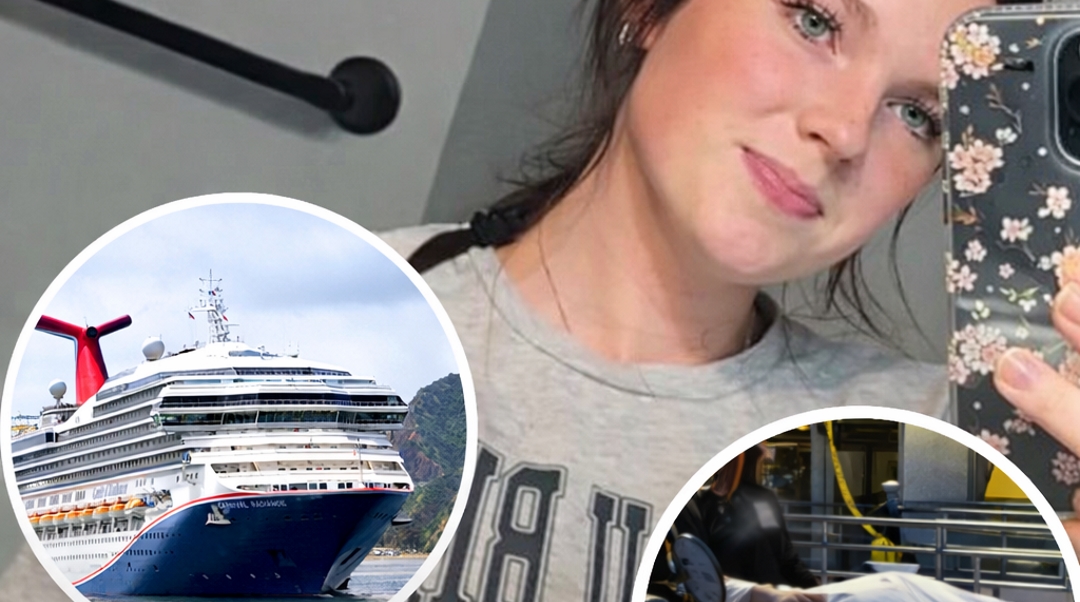
It was meant to be a carefree vacation, the kind families book to celebrate time together and escape everyday routines. Instead, it ended in tragedy. A teenage girl was found dead aboard a cruise ship, and as authorities launched a federal investigation, attention quickly turned to the last thing she left behind: a quiet, unsettling social media post shared shortly before her death.
The girl, whose identity has been widely reported but whose family has asked for sensitivity, had been traveling with relatives on a Caribbean cruise when the incident occurred. Initial statements from the cruise line described the death as under investigation, offering few details beyond confirming that authorities had been notified and the ship had cooperated fully.
What transformed the case from a tragic onboard death into a national story was the involvement of the FBI. Because the incident took place at sea and involved a U.S. citizen, federal authorities assumed jurisdiction, signaling that unanswered questions remained about how and why the teen died.
As news spread, people began revisiting the girl’s online presence. Her final post, shared hours before her death, showed her smiling, casually dressed, and appearing calm. There was no obvious distress, no dramatic caption, nothing that hinted at what would follow. That contrast—between the ordinariness of the post and the gravity of what happened next—has haunted those who saw it.