For centuries, the writings of Nostradamus have been dragged back into the spotlight whenever the world feels unstable. As global tensions rise and uncertainty dominates headlines, renewed claims are circulating that the 16th-century seer predicted three frightening events set to unfold in 2026, including the death of a major public figure.
The renewed interest isn’t new. Every generation seems to rediscover Nostradamus during moments of anxiety, searching his cryptic verses for meaning that feels relevant to the present. What makes the current wave different is how confidently some interpretations are being presented online, framed as near-certainties rather than speculation.
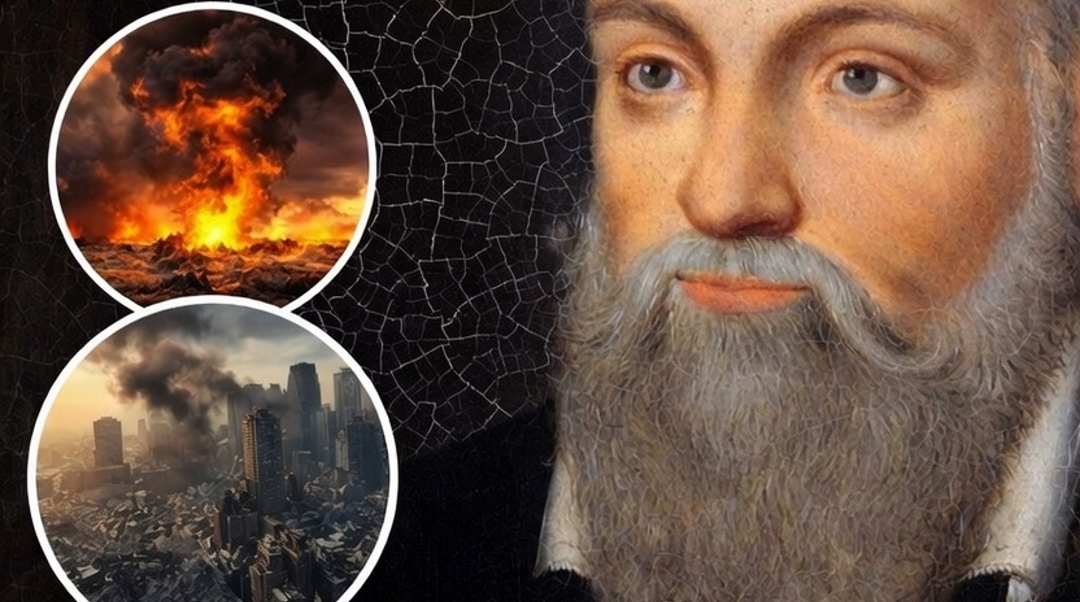
Nostradamus, born Michel de Nostredame in 1503, wrote his prophecies in deliberately vague language. His book, Les Prophéties, published in 1555, contains hundreds of quatrains filled with symbolism, metaphors, and archaic references. Crucially, he avoided clear dates, names, and locations, which has allowed endless reinterpretation over the centuries.
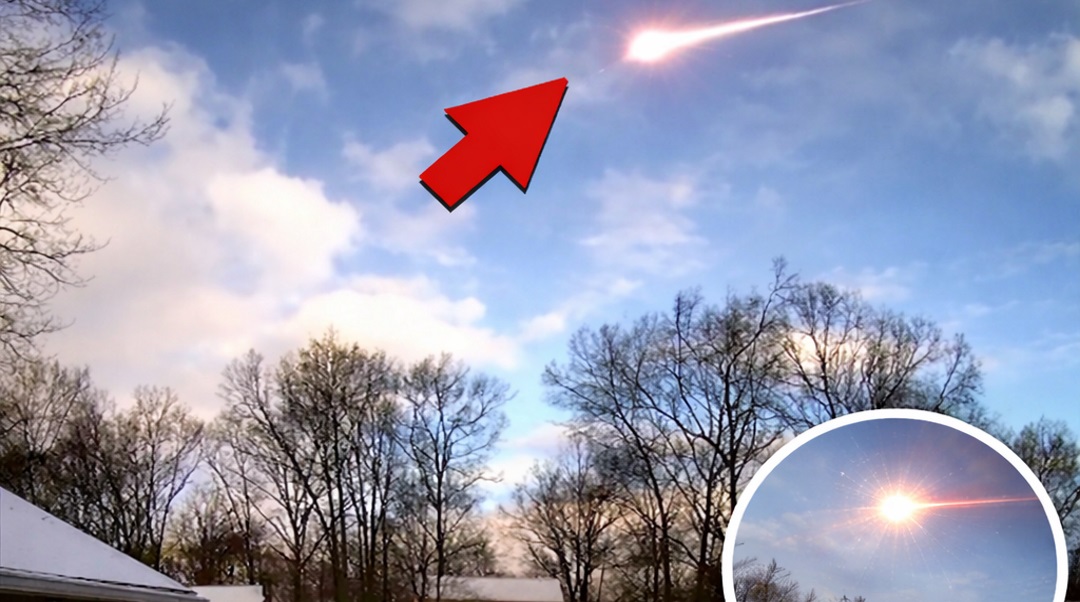
The claims tied to 2026 focus on three broad themes: large-scale destruction, societal upheaval, and the loss of a powerful or beloved figure. Supporters of the theory argue that certain lines describing “fire from the sky,” “great trembling of the earth,” and “mourning across many lands” align with modern fears of war, climate disaster, and celebrity culture.