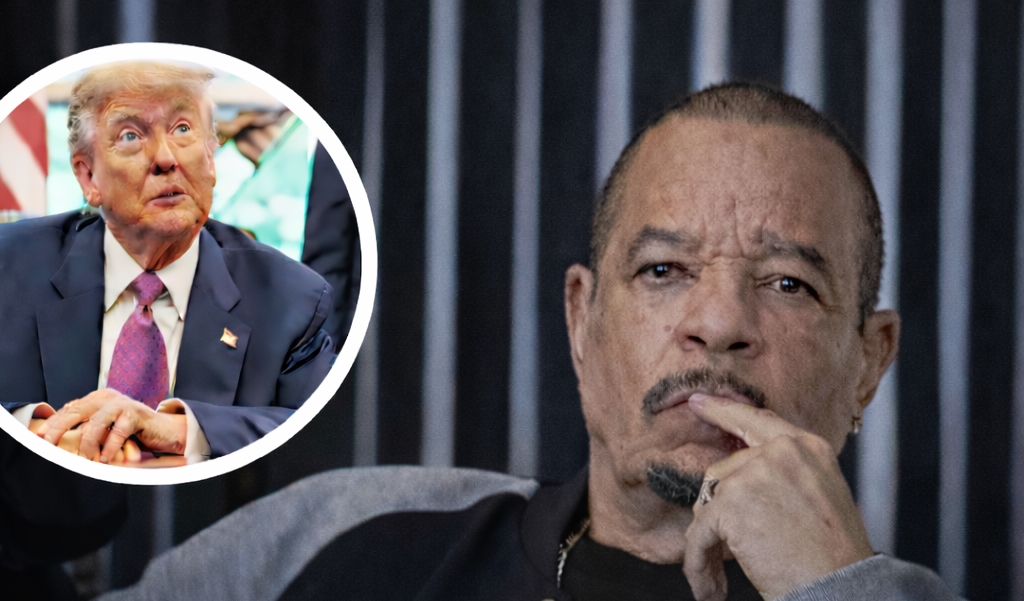
Rapper and actor Ice-T found himself at the center of a social media firestorm this week after a comment comparing Donald Trump to Satan ricocheted across platforms and ignited fierce debate. The remark, which critics called inflammatory and supporters described as dark humor, quickly became one of the most shared political soundbites of the day.
The controversy began when Ice-T reacted to online comparisons between Trump and the devil. In a response that many interpreted as escalating the rhetoric, he suggested that while “Satan is evil,” he believed Trump was worse. Within hours, the comment was clipped, reposted, and dissected across X, Instagram, and cable talk shows.
Ice-T, best known for his music career and long-running role on Law & Order: Special Victims Unit, has never shied away from political commentary. Over the years, he has criticized both parties and frequently waded into debates about policing, civil rights, and media narratives.
This time, however, the tone struck many as unusually sharp. Conservative commentators accused him of crossing a line, arguing that comparing a political figure to Satan dehumanizes opponents and fuels polarization. Several called for public figures to tone down language in an already volatile political climate.
Supporters countered that hyperbolic comparisons have long been part of political speech in America. They argued that entertainers, especially those known for blunt expression, are entitled to their opinions—even provocative ones—without facing coordinated outrage campaigns.
Donald Trump himself has frequently been both the subject and source of biting rhetoric. Throughout his political career, he has labeled critics with nicknames, dismissed media outlets as “fake news,” and used stark language to describe opponents. His defenders say such style is part of his brand; his critics argue it has normalized combative discourse.