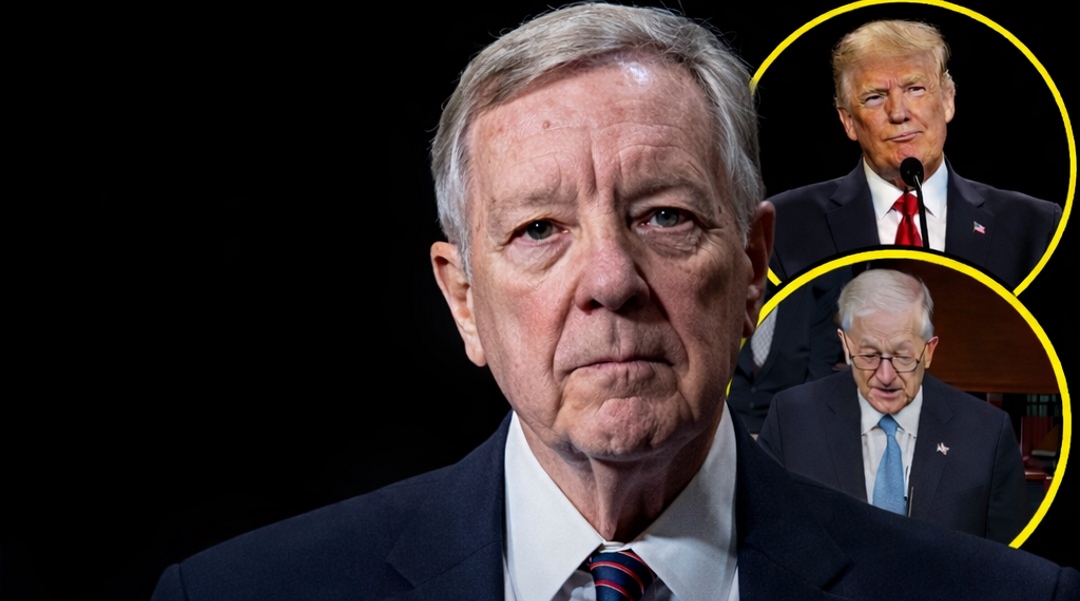
The warning landed like a match in dry grass: a U.S. senator publicly framing Donald Trump’s political “endgame” as power without risk, arguing that the goal isn’t just to win the next election, but to shape the rules so his side “never loses again.”
It’s the kind of language that instantly hardens the room. Supporters hear a familiar attack line, opponents hear a blaring siren, and everyone else is left trying to separate rhetoric from a real-world plan that could actually be carried out.
In the senator’s telling, this isn’t about one campaign cycle or one courtroom fight. It’s about building a system of pressure points — on election administration, on courts, on state officials, on the public’s belief in outcomes — until the idea of a clean loss becomes politically impossible.
That claim hits a nerve because elections don’t just run on ballots. They run on trust, procedure, and thousands of small decisions: who can vote, where they can vote, how results are certified, how challenges are handled, and which officials can be leaned on when the margins are thin.
What the senator is really describing is an ecosystem where control doesn’t need to look like a coup. It can look like “reform,” like “integrity,” like “security,” while quietly centralizing power in the hands of partisan actors who get to decide which votes count and which ones are suspicious by default.
That’s why election rules are so fiercely fought over in state legislatures. The senator’s argument is that if you can tilt the machinery — through laws, litigation, and relentless narrative warfare — you don’t need to persuade more people, you just need to make the battlefield more favorable every time.