
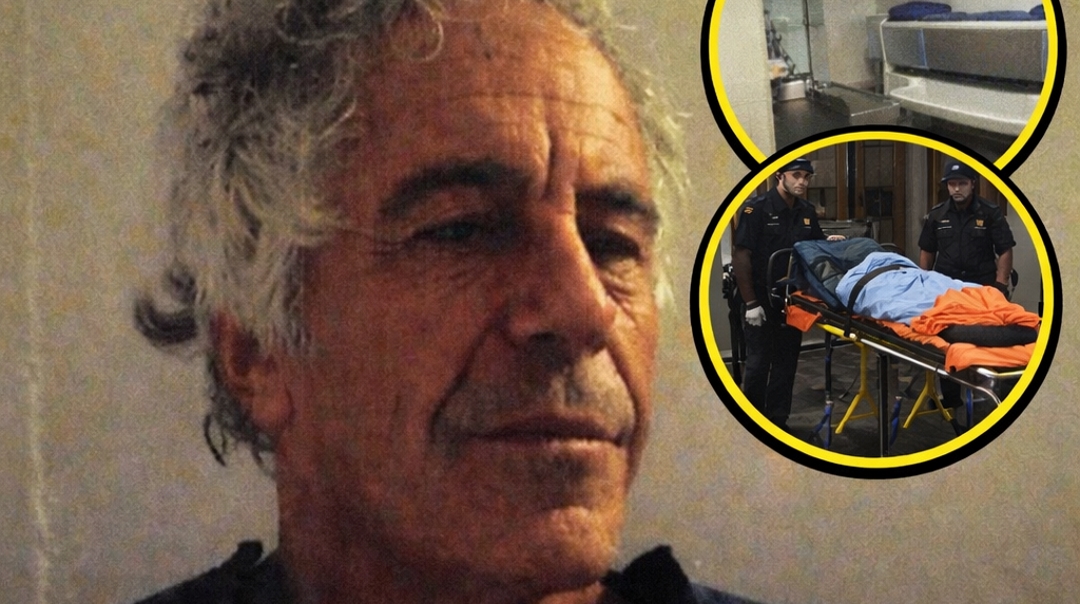
Years after Jeffrey Epstein was found dead in a federal jail cell, the official ruling of suicide continues to face renewed public scrutiny.
Epstein, the disgraced financier awaiting trial on federal sex trafficking charges, was discovered unresponsive at the Metropolitan Correctional Center in New York in August 2019. The New York City medical examiner ruled his death a suicide by hanging, a conclusion detailed at the time by The New York Times’ reporting on the autopsy findings.
But in the years since, lingering doubts have persisted — fueled by procedural failures inside the jail, malfunctioning cameras, and the high-profile nature of the case.
At the time of his death, Epstein was under suicide watch following an earlier incident in his cell. He was later removed from that status, a decision that drew immediate criticism. Two correctional officers assigned to monitor him reportedly fell asleep during their shift, and required check-ins were not conducted as scheduled.
Further complicating matters, surveillance cameras outside Epstein’s cell were not functioning properly on the night he died. Officials later confirmed that some footage was unusable due to technical errors.
The Justice Department’s Office of Inspector General conducted a lengthy investigation into the circumstances surrounding the death. In a comprehensive report released in 2023 and summarized by the Department of Justice’s Inspector General, investigators concluded that a combination of negligence, staffing shortages, and policy failures created an environment where Epstein was able to take his own life.