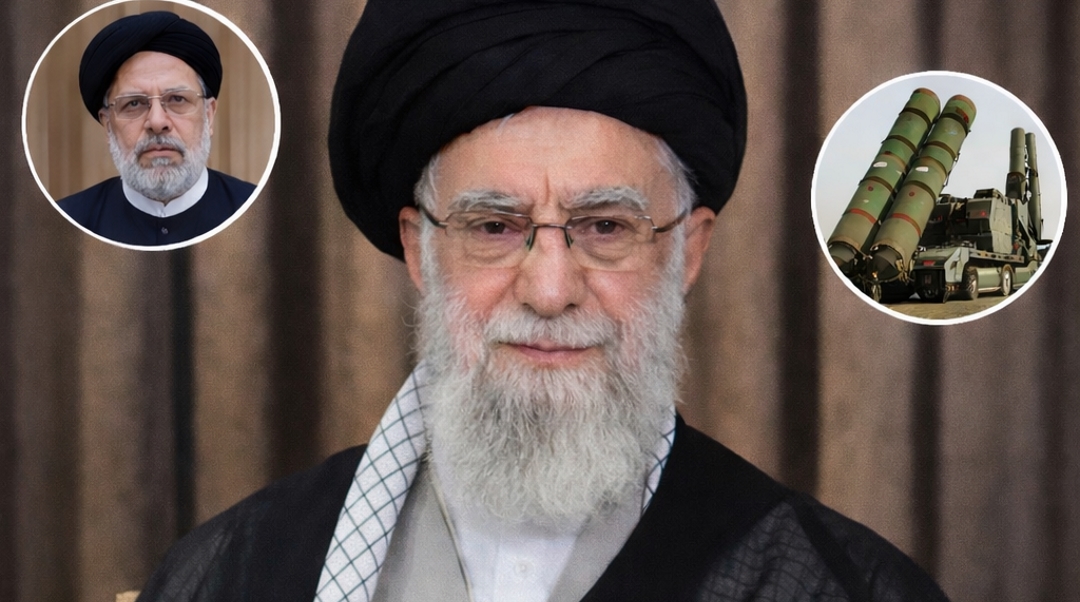
Iran has officially confirmed the death of its Supreme Leader, a moment that could mark one of the most significant turning points in the country’s modern political history. The announcement, delivered through state media and later echoed by senior government figures, immediately set off speculation inside Iran and across the world about what happens next.
The Supreme Leader is the most powerful figure in Iran’s political system, holding authority over the military, judiciary, intelligence apparatus, and many key national decisions. With that position suddenly vacant, the country now faces a rare and delicate transition that could reshape the balance of power in Tehran.
Under Iran’s constitution, the responsibility for selecting a new Supreme Leader falls to the Assembly of Experts, a body of clerics tasked with overseeing the leadership of the Islamic Republic. While the process exists on paper, transitions at this level are highly sensitive and often influenced by behind-the-scenes political maneuvering.
Iranian state television described the moment as one of national mourning while also emphasizing stability. Officials urged the public to remain calm and assured citizens that state institutions remain fully operational. Security forces were placed on heightened alert in major cities as crowds gathered for memorial ceremonies.