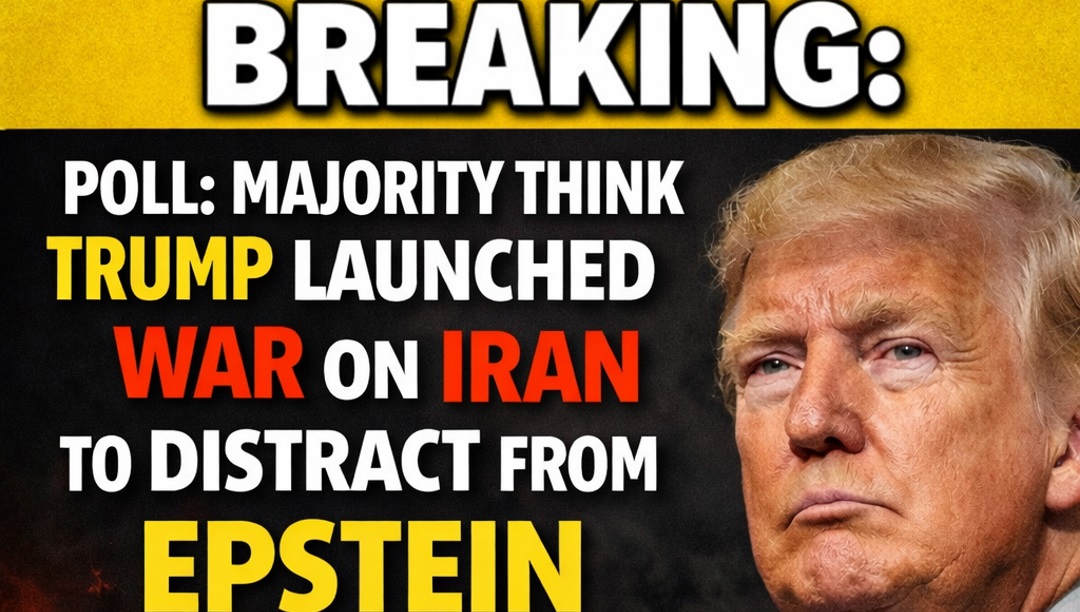
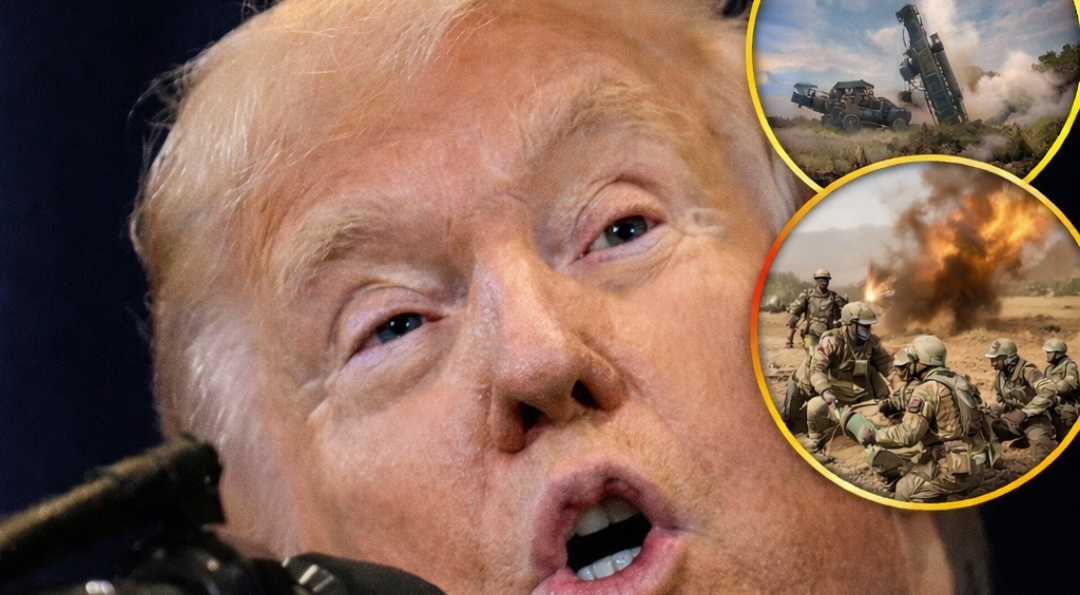
Former U.S. President Donald Trump has ignited fresh debate over the escalating tensions between Washington and Tehran after declaring that the confrontation with Iran is “pretty much complete,” while also claiming the country had been preparing to launch an attack against the United States.
The remarks, delivered during a recent public appearance, quickly circulated across political and international media circles, drawing both support and skepticism as analysts attempted to interpret what the statement might mean for the fragile balance of power in the region.
Trump’s comments came amid a period of heightened geopolitical anxiety, with conflicts and security concerns stretching across multiple regions of the Middle East.
Speaking to supporters, the former president suggested that decisive actions taken during his administration had already neutralized what he described as an imminent threat from Iran.
“They were going to attack us 100 percent,” Trump said, asserting that intelligence available at the time indicated preparations for hostile operations targeting American interests.
However, details about the specific threat referenced in his statement were not immediately clarified, leaving foreign policy analysts and defense experts debating the context behind the claim.
For decades, relations between the United States and Iran have been shaped by cycles of confrontation, sanctions, and diplomatic negotiations. The rivalry intensified significantly during Trump’s presidency after the United States withdrew from the nuclear agreement known as the Joint Comprehensive Plan of Action in 2018.
The withdrawal reintroduced sweeping economic sanctions against Iran and triggered a new phase of tensions between the two governments.
Those tensions reached one of their most dramatic moments in January 2020 when a U.S. drone strike killed Iranian military commander Qassem Soleimani near Baghdad. The operation stunned international observers and raised fears that the two countries might be on the brink of direct military conflict.
Iran responded days later with missile strikes targeting bases housing American forces in Iraq. Although the attacks did not result in fatalities, they underscored how quickly a crisis between the two nations could spiral into broader confrontation.
In the years since, the relationship between Washington and Tehran has remained volatile, shaped by shifting diplomatic efforts, regional conflicts, and political rhetoric on both sides.
Trump’s latest comments appear to frame his administration’s actions as having already resolved the immediate threat posed by Iran.
But international security experts caution that geopolitical conflicts rarely reach such clear conclusions.
“Situations involving rival states tend to evolve rather than simply end,” one foreign policy analyst explained. “Even when a particular crisis passes, the underlying tensions often remain.”
Within the United States, Trump’s remarks have also been viewed through a domestic political lens, particularly as debates over national security and foreign policy continue to shape the broader political landscape.
Supporters argue that his approach toward Iran demonstrated strength and deterrence, while critics contend that the strategy increased instability in the region and heightened the risk of military escalation.
Meanwhile, officials and analysts monitoring developments in the Middle East say the region remains one of the most complex and unpredictable arenas in global politics.
A network of alliances, rivalries, and ongoing conflicts means that even isolated incidents can carry implications far beyond their immediate location.
For that reason, statements from prominent political figures — especially those addressing potential threats or military actions — often draw intense scrutiny from both governments and international observers.
As tensions between global powers continue to shift, experts say the most significant question is not whether past conflicts are “complete,” but how future crises might unfold.
In an interconnected world where diplomacy, military strategy, and political messaging intersect, even a few carefully chosen words can send ripples across the international stage.