Critics were quick to point out that consent alone does not equal safety. Even when performers willingly agree to challenging scenes, unexpected injuries can occur if conditions change mid-shoot or if warning signs are missed.
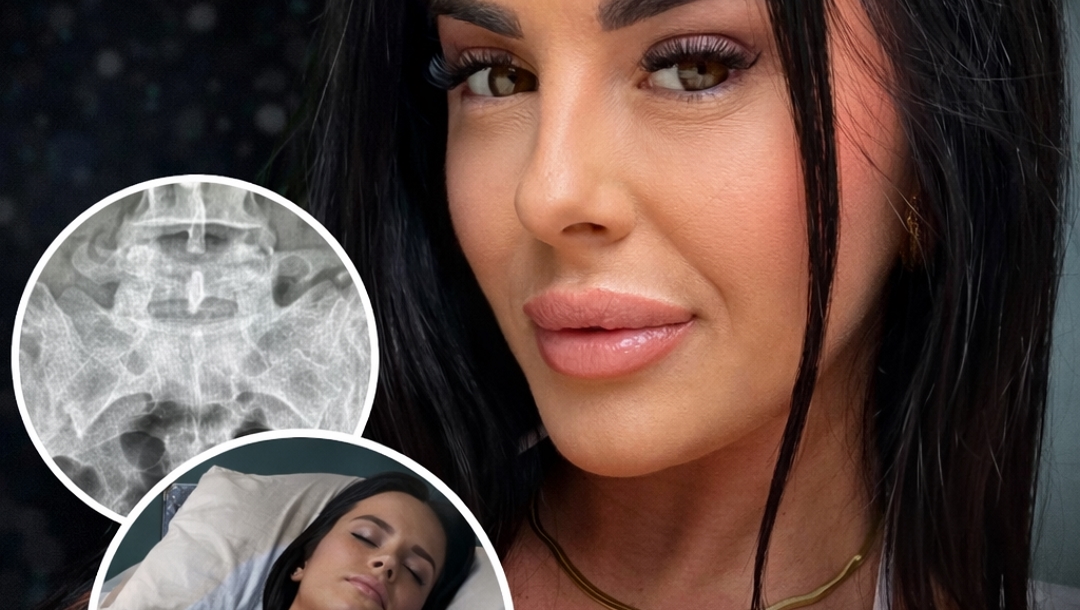
Health experts note that spinal and pelvic injuries can have long-term consequences, particularly if not treated promptly. Recovery can involve weeks or months of physical therapy, and in severe cases, permanent limitations.
Beyond the immediate medical concerns, the incident has reignited conversations about mental health and economic pressure in the adult industry. Performers often rely on continuous work to maintain income, making it difficult to step back even when their bodies signal distress.
Advocates argue that transparent reporting of injuries is crucial, not only for accountability but also for prevention. When incidents are minimized or obscured, lessons that could protect others are lost.
Organizations focused on performer welfare have renewed calls for standardized safety oversight across all adult productions. Some have proposed independent safety officers with authority to pause or stop scenes if conditions become unsafe.
Public reaction has been divided. While many fans expressed sympathy and urged patience while the performer recovers, others questioned why such scenes are produced at all. The discussion reflects broader cultural tensions around consumption, responsibility, and the human cost of entertainment.
Legal experts say potential liability will depend on multiple factors, including contracts, documented consent, and whether negligence can be proven. In past cases, lawsuits have hinged on whether producers failed to intervene when a performer was clearly in distress.
As reporting on adult industry safety debates has shown, meaningful reform often follows high-profile incidents, though changes can be slow and uneven.
For now, the focus remains on the performer’s recovery. Those close to her say she is grateful for the outpouring of support but hopes the incident will lead to more serious conversations about safety rather than becoming another fleeting headline.
The episode serves as a stark reminder that behind the screens and sensational framing are real people whose bodies absorb the risks. As the industry reckons with yet another injury, many are asking whether current safeguards are enough—or whether it will take further harm to force lasting change.