
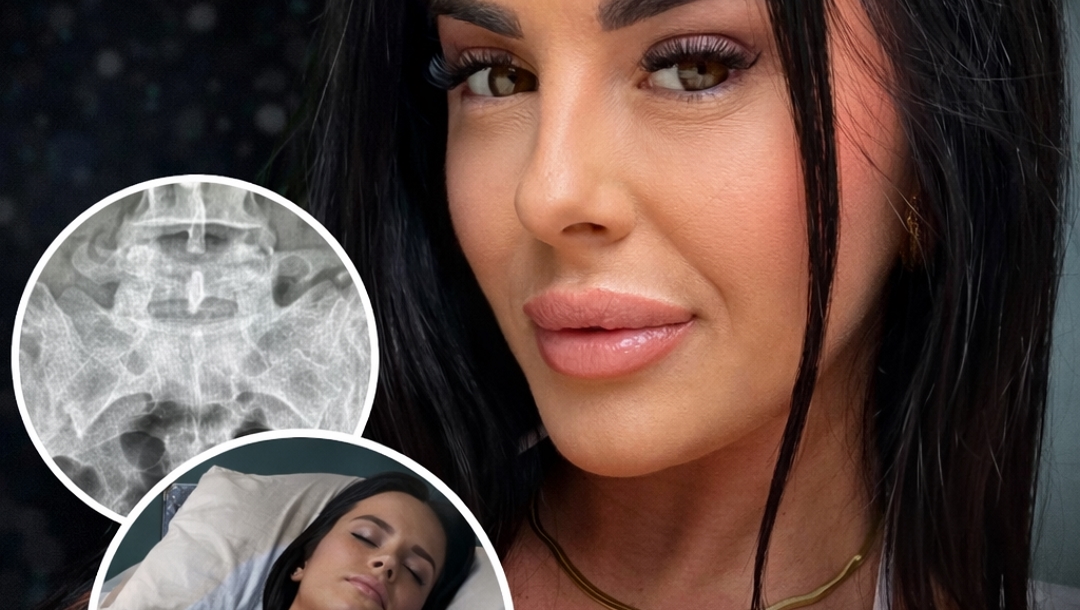
An adult film performer was rushed to hospital this week after an on-set act went catastrophically wrong, according to people familiar with the incident. What was meant to be a controlled scene reportedly escalated into a medical emergency, forcing production to halt as crew members called for help.
The performer, whose identity has circulated widely online but has not been officially confirmed by medical staff, was taken for urgent evaluation after complaining of severe pain and mobility issues. Sources close to the production say the situation deteriorated rapidly, leaving little time to assess the extent of the injuries before emergency services arrived.
Early reports suggest the injury involved the lower spine or pelvis, an area particularly vulnerable during physically demanding scenes. An image shared online that appears to show an X-ray fueled speculation, but doctors have not publicly confirmed a diagnosis. Medical professionals typically caution against drawing conclusions from unverified images posted on social media.
Within hours, the story spread across adult industry forums and mainstream platforms alike, igniting a fierce debate about safety standards. Fans expressed shock and concern, while fellow performers questioned whether adequate precautions were in place during filming.
According to industry veterans, most professional sets are governed by protocols designed to minimize risk, including consent checks, rehearsals, and the presence of coordinators. However, enforcement can vary widely between productions, especially when scenes push physical limits.
The incident quickly drew comparisons to past cases where performers suffered serious injuries during shoots. Advocacy groups have long argued that adult performers often face pressure to perform increasingly extreme acts, sometimes at the expense of their health.
As industry investigations have previously reported, workplace protections in adult entertainment can lag behind those in other sectors, particularly for freelancers who lack union backing or long-term contracts.
Friends of the hospitalized performer said she was conscious and communicating after arriving at the hospital, but remained under observation. Updates shared privately suggested that doctors ordered imaging scans and advised extended rest, with further treatment depending on how she responds in the coming days.
The production company involved released a brief statement expressing concern and saying it was cooperating fully with medical professionals. The statement emphasized that the scene was consensual and that safety guidelines were followed, though it did not address specific questions about supervision or risk assessment.
Critics were quick to point out that consent alone does not equal safety. Even when performers willingly agree to challenging scenes, unexpected injuries can occur if conditions change mid-shoot or if warning signs are missed.
Health experts note that spinal and pelvic injuries can have long-term consequences, particularly if not treated promptly. Recovery can involve weeks or months of physical therapy, and in severe cases, permanent limitations.
Beyond the immediate medical concerns, the incident has reignited conversations about mental health and economic pressure in the adult industry. Performers often rely on continuous work to maintain income, making it difficult to step back even when their bodies signal distress.
Advocates argue that transparent reporting of injuries is crucial, not only for accountability but also for prevention. When incidents are minimized or obscured, lessons that could protect others are lost.
Organizations focused on performer welfare have renewed calls for standardized safety oversight across all adult productions. Some have proposed independent safety officers with authority to pause or stop scenes if conditions become unsafe.
Public reaction has been divided. While many fans expressed sympathy and urged patience while the performer recovers, others questioned why such scenes are produced at all. The discussion reflects broader cultural tensions around consumption, responsibility, and the human cost of entertainment.
Legal experts say potential liability will depend on multiple factors, including contracts, documented consent, and whether negligence can be proven. In past cases, lawsuits have hinged on whether producers failed to intervene when a performer was clearly in distress.
As reporting on adult industry safety debates has shown, meaningful reform often follows high-profile incidents, though changes can be slow and uneven.
For now, the focus remains on the performer’s recovery. Those close to her say she is grateful for the outpouring of support but hopes the incident will lead to more serious conversations about safety rather than becoming another fleeting headline.
The episode serves as a stark reminder that behind the screens and sensational framing are real people whose bodies absorb the risks. As the industry reckons with yet another injury, many are asking whether current safeguards are enough—or whether it will take further harm to force lasting change.