
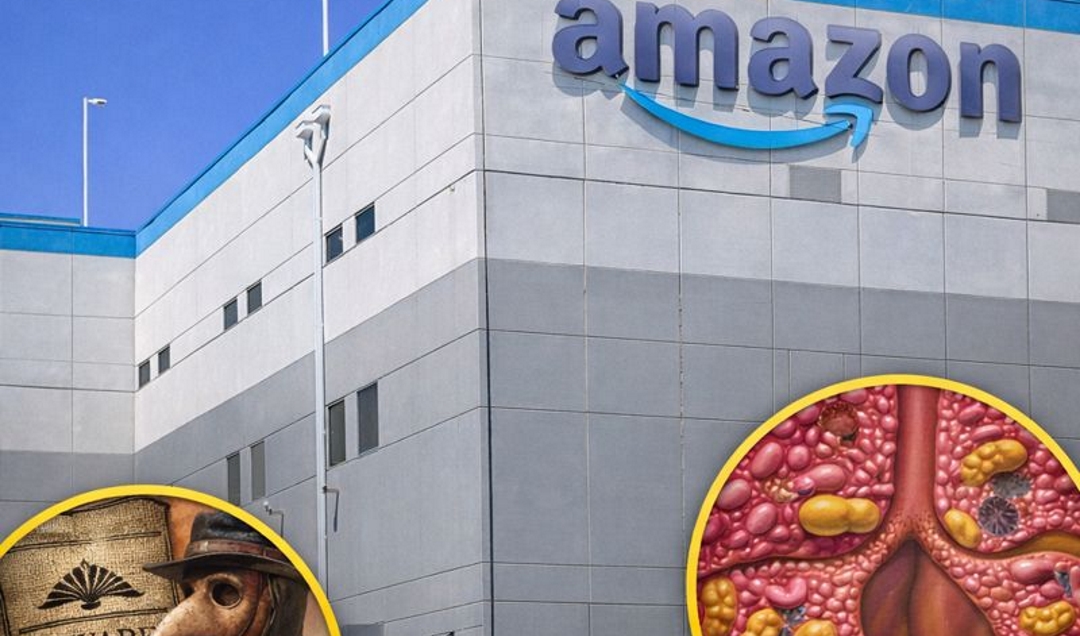
It started as whispers on the warehouse floor. A handful of workers complained about strange symptoms that didn’t quite fit the usual explanations of exhaustion, seasonal illness, or workplace stress. Then Amazon confirmed something that sounded almost unreal: a rare illness more commonly associated with the Victorian era had been identified inside one of its modern fulfillment centers.
The confirmation immediately triggered confusion, fear, and disbelief. How does a disease associated with 19th-century industrial conditions appear inside a high-tech warehouse in 2026?
According to internal communications reviewed by employees, several workers reported persistent coughing, chest tightness, fatigue, and skin irritation. At first, many were told it was unrelated or likely caused by common allergens. But medical evaluations eventually pointed to an environmental condition that echoed historical industrial illnesses, detailed in longstanding occupational health research.
Amazon has not publicly named the exact condition, but experts say it appears consistent with diseases once caused by poor air circulation, particulate buildup, and prolonged exposure to industrial contaminants—conditions that fueled widespread illness during the Victorian industrial boom.
The warehouse in question was not immediately shut down. Instead, Amazon says it implemented “mitigation measures” while continuing operations. That decision has only intensified scrutiny.
Several employees described feeling dismissed when they first raised concerns. One worker said symptoms were brushed off as anxiety or dehydration. Another said they were encouraged to “take a day off” rather than seek further evaluation.
Only after multiple cases emerged did outside medical professionals raise red flags. A breakdown of how these illnesses historically developed is outlined in medical archives on industrial-era disease, which note that modern buildings are not immune if ventilation systems fail.
The phrase “Victorian-era illness” spread rapidly online, sparking outrage and disbelief. Many users questioned how one of the world’s most advanced logistics companies could allow conditions resembling 1800s factories.
How does a Victorian-era illness show up in a modern Amazon warehouse? This should scare everyone. — Worker Solidarity (@WorkerSolidarity) March 2026
Public health specialists say the answer isn’t as impossible as it sounds. Large enclosed facilities with constant movement, dust, packaging debris, and high heat can recreate the same respiratory hazards once common in early industrial workplaces. A closer look at workplace air quality standards shows how quickly small failures can escalate.
Amazon insists that its facilities meet regulatory requirements and that employee safety remains a top priority. In a brief statement, the company said it is “working closely with health officials” and conducting additional environmental testing.
But labor advocates argue that reactive measures aren’t enough. They point to a pattern of workers raising alarms only to be taken seriously once public attention forces action. Similar disputes over safety conditions have been documented in investigative labor reporting over the past several years.
For those affected, the situation feels deeply unsettling. Several workers said the idea that their workplace could make them sick in ways associated with another century has shaken their trust.
“We’re not coal miners in the 1800s,” one employee said anonymously. “We’re scanning packages in 2026. This shouldn’t be happening.”
Medical experts warn that symptoms linked to environmental exposure can worsen if left unaddressed. Even after exposure ends, long-term respiratory and immune complications are possible, depending on duration and severity.
Industrial diseases didn’t disappear. They evolved. Modern buildings can still make people sick if conditions are ignored. — Public Health Watch (@PublicHealthW) March 2026
The warehouse remains operational as investigations continue. Workers say they are watching closely—not just for test results, but for signs that their concerns will finally be taken seriously.
What troubles many observers is not just the illness itself, but what it represents. If a Victorian-era disease can surface inside a state-of-the-art facility, it raises uncomfortable questions about how modern labor conditions are monitored, enforced, and prioritized.
For now, the story serves as a reminder that technological progress doesn’t automatically eliminate old dangers. Sometimes, it simply hides them—until people start getting sick.