A sudden wave of fear has spread through the U.S. expatriate and travel community after fresh warnings urged Americans to leave Venezuela without delay. The alert followed disturbing reports that armed groups are actively targeting foreign nationals, including U.S. citizens, amid a rapidly deteriorating security situation.
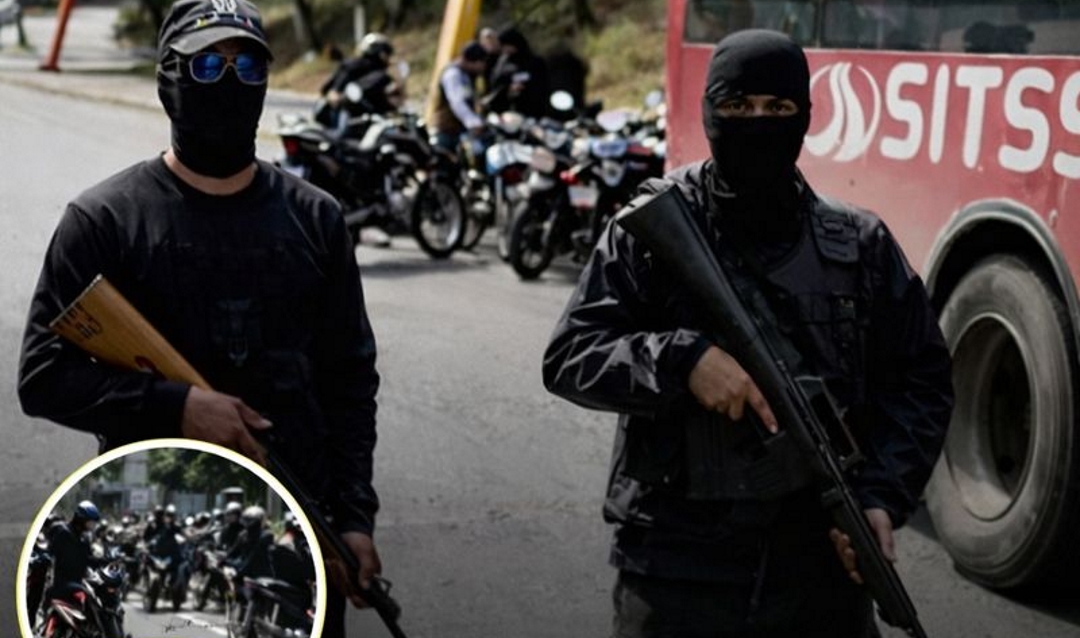
For many on the ground, the warning didn’t come as a surprise. Venezuela has long struggled with instability, but recent developments mark a sharp escalation. According to people familiar with the situation, armed men have begun setting up informal checkpoints, monitoring movement, and seeking out foreigners in specific neighborhoods.
The U.S. State Department’s long-standing travel advisory has now taken on renewed urgency, echoing concerns outlined in official guidance that has not softened in years. What’s different now, officials say, is the level of coordination among non-state actors.
Security analysts point to a volatile mix of political unrest, economic collapse, and fractured law enforcement. Criminal groups, some with ideological ties and others purely opportunistic, have stepped into the vacuum. In recent weeks, foreign passports have reportedly become leverage — symbols of ransom, influence, or retaliation.
Diplomatic sources familiar with regional intelligence described the environment as “unpredictable by the hour,” a phrase that mirrors longstanding assessments of Venezuela’s internal collapse. The fear is not only kidnapping, but arbitrary detention and forced disappearances.
Americans still in the country have taken to social media to share frantic messages about blocked roads, armed patrols, and sudden disappearances of acquaintances. While many of these accounts remain unverified, their consistency has raised alarm among international observers.
Friends in Caracas are telling me armed groups are checking IDs. If you’re American and still there, get out. — LatinWatch (@LatinWatchers) May 2025
The warning also revives painful memories of past detentions. Venezuela already holds a troubling record of imprisoning foreign nationals under vague charges, a practice documented in human rights reporting that has drawn international condemnation. Once detained, access to legal counsel or consular support is often delayed or denied.
Families of Americans believed to still be inside the country say communication has become sporadic. Internet disruptions and rolling blackouts have made coordination difficult, leaving relatives abroad scrambling for information through unofficial channels.
Regional governments are also watching closely. Neighboring countries have quietly increased border security, fearing spillover as civilians and foreigners attempt to flee. Airlines have reduced routes, and ground travel has become increasingly dangerous, especially after dark.
Security experts warn that ordinary precautions are no longer enough. “This isn’t about avoiding bad neighborhoods,” one consultant said privately. “It’s about the collapse of predictability itself.” That assessment aligns with broader geopolitical analysis suggesting Venezuela is entering a new, more chaotic phase.
The U.S. government has no embassy operations in Venezuela, a fact that severely limits emergency assistance. In practical terms, Americans who remain are largely on their own. Evacuation options are shrinking by the day, and officials urge departure while commercial routes still exist.
This is not a drill. If you’re a U.S. citizen in Venezuela, leave immediately while you still can. — Global Security Desk (@GlobalSecDesk) May 2025
For Venezuelans themselves, the situation underscores a grim reality they’ve lived with for years — one now spilling outward. Armed men in the streets are no longer an abstract threat but a daily calculation, one that now includes foreign nationals as potential targets.
As warnings intensify, time appears to be the most critical factor. Officials stress that delays could mean being trapped by sudden border closures or mass unrest. What remains uncertain is how quickly conditions could spiral further — and whether the current window for safe exit will remain open much longer.