
Ariana Grande’s voice has carried entire generations — a whistle-tone signature, a stadium-filling force — but when she opened up about her health in a recent sit-down and in notes shared with supporters, it wasn’t the fame or the glamour people remembered. It was the tremble. The human fragility behind a woman who has spent years battling anxiety, vocal injuries, and the lingering trauma of surviving one of the most devastating attacks in modern music history, a struggle documented in an emotional post-Manchester profile that first revealed how deeply the tragedy reshaped her life.
This latest update didn’t come with choreography, costumes, or a chart rollout. Instead, it traced a timeline of silent injuries — the kind fans never see — beginning with the vocal-cord damage that forced her to cancel multiple shows years ago, an ordeal referenced inside a detailed music-industry report that described how doctors warned her to stop singing immediately or risk long-term harm.
The new revelation tied those physical strains to emotional ones, as Grande admitted she pushed herself through exhaustion, panic attacks, and PTSD symptoms for years after the Manchester bombing — symptoms first acknowledged publicly in a Vogue interview on trauma that described her nightmares, flashbacks, and the paralyzing anxiety that followed her across continents.
Ariana Grande saying she’s STILL recovering mentally & physically broke my heart. We really never know what celebrities carry every day. — Leigh A. (@LeighOnLife) Dec 12, 2025
What shocked fans most in her newest update wasn’t the existence of the struggle — it was how openly she connected the dots between body, voice, and trauma. Grande said the stress that followed her from tour to tour magnified her vocal-cord problems, a relationship medical experts have outlined in a health overview on trauma-induced vocal strain explaining how anxiety can literally tighten the muscles that support singing.
For the first time, she acknowledged how terrifying it felt to lose control of the very instrument the world expects her to wield effortlessly. Fans recalled earlier hints — when she told crowds she was pushing through illness, or when she admitted her voice felt “weak” in backstage clips later chronicled through a viral entertainment recap that showed her fighting tears mid-tour.
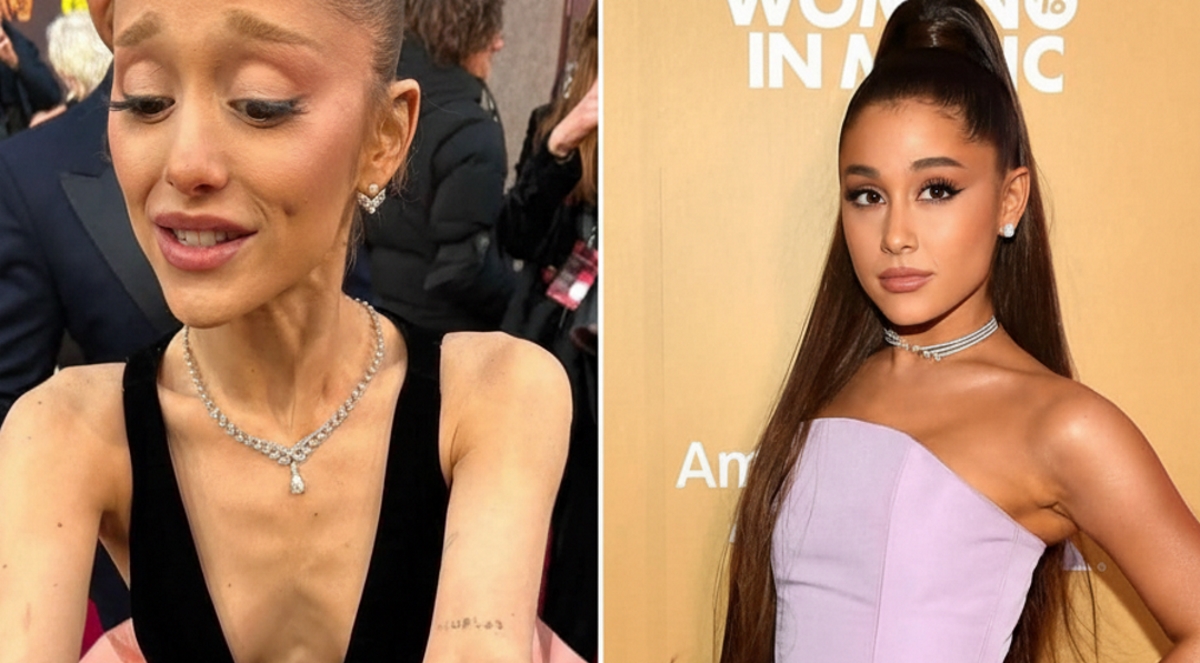
She also used the update to address another deeply personal wound: the way the public has scrutinized her body. Grande previously went viral for asking fans to stop commenting on her weight, explaining that the thinner body people praised years ago was actually unhealthy — a plea grounded in compassion and detailed in a national report on body-image awareness. This time, she went further, connecting the criticism to the cycles of stress that harmed her mental and physical health.
Ariana saying “be gentle with each other & with yourselves” hit DIFFERENT. She’s fought battles we never saw. — Mia R. (@MiaSpeaks) Dec 12, 2025
What many fans didn’t know until now was how long she had carried the weight in silence. After the Manchester bombing, doctors diagnosed her with PTSD — a condition she quietly treated through therapy, grounding exercises, and medication, according to insights shared in a Guardian feature on her recovery process. Grande said she often felt pressure to appear “strong” even when she was dissociating, shaking, or overwhelmed.
In her new update, she admitted that continuing to perform while experiencing PTSD symptoms left her emotionally drained. Trauma psychologists have described this pattern in a clinical breakdown of post-traumatic stress, noting that noise, crowds, and travel can trigger repeated episodes for survivors.
And yet — Grande insisted she wasn’t sharing her vulnerabilities for sympathy. She said she wanted to tell the truth about the cost of silence, a theme echoed in a mental-health interview where she described anxiety as “something that takes practice to manage, not something you ‘fix’ once.”
As her post spread, fans resurfaced a moment from several years earlier when Grande broke down backstage because her voice cracked during rehearsal — a moment later confirmed by her team in a touring-profile about her mental health. At the time, supporters didn’t know she was balancing panic attacks with vocal hemorrhages.
The fact Ariana was singing through anxiety, PTSD AND vocal damage?? She performed miracles & we didn’t even know it. — Jay H. (@JayCharts) Dec 12, 2025
Even industry insiders said they sensed a shift. Some recalled how Grande began canceling meet-and-greets early in her career — not because she didn’t care, but because fans could see her shaking. This was later supported by insights inside a feature on pop-star mental health that revealed how overwhelmed she often felt in tight rooms and loud environments.
Grande said she’s now prioritizing rest, therapy, vocal health, and creative work that doesn’t require her to push past her pain. Voice specialists say her decision aligns with recommendations explored in a Cleveland Clinic overview on vocal-cord recovery urging singers to take extended breaks when inflammation or hemorrhaging occurs.
She also spoke about rebuilding trust with her voice — something that requires unlearning years of performing through injury, a behavior sports physicians compare to athletes “playing hurt,” a phenomenon analyzed in a New York Times look at the demands of touring that described how relentless schedules erode the body over time.
Her openness has already inspired fans to seek help for their own anxiety, depression, and trauma. Her comments mirror what mental-health advocates emphasized in a national advocacy blog praising Grande for destigmatizing PTSD by speaking publicly about it.
Ariana Grande saved people tonight. Her honesty about mental health will help so many who think they’re alone. — Dani P. (@DaniHeals) Dec 12, 2025
For the first time in years, Ariana Grande’s update didn’t revolve around albums, films, or red carpets. It revolved around survival. Healing. The human underneath the spotlight who has carried both grief and grace in front of millions. And for once, fans said, it felt like they were hearing the truth — not the polished version, but the private one.