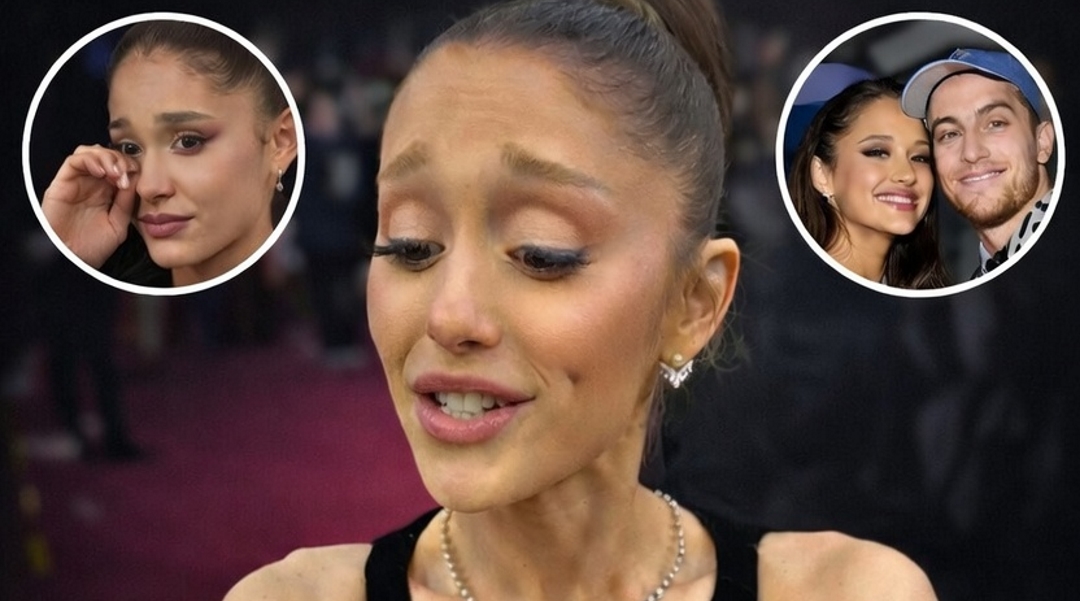
Fans had already begun speculating. Changes in her appearance sparked waves of commentary across social media, some of it supportive, much of it invasive. Grande has previously pushed back against body-focused speculation, and this experience appears to have reinforced her belief that constant commentary can do real harm.
In her update, she made it clear that public assumptions often miss the truth entirely. Health struggles, she noted, don’t always look the way people expect. Smiling in photos or performing on stage doesn’t mean someone is okay, just as stepping back doesn’t mean giving up.
According to reporting on Grande’s response to health and body scrutiny, the singer emphasized that compassion matters more than curiosity. She urged fans and critics alike to remember that bodies change for many reasons, most of them deeply personal.
The diagnosis itself has not been fully detailed, and Grande did not specify timelines or medical labels. That choice appears deliberate. Rather than centering the condition, she focused on the experience of living through it—fear, uncertainty, and the pressure to appear “fine” while quietly struggling.
She also acknowledged the emotional toll of being expected to explain herself. Fame, she said, creates a strange obligation where silence is treated as suspicion and openness as entitlement. Choosing when and how to speak became part of protecting her mental health.
Grande’s supporters have responded with an outpouring of empathy, many thanking her for modeling boundaries in a culture that often demands constant access. Others shared their own experiences with serious diagnoses, noting how isolating it can feel when your pain doesn’t match public expectations.