
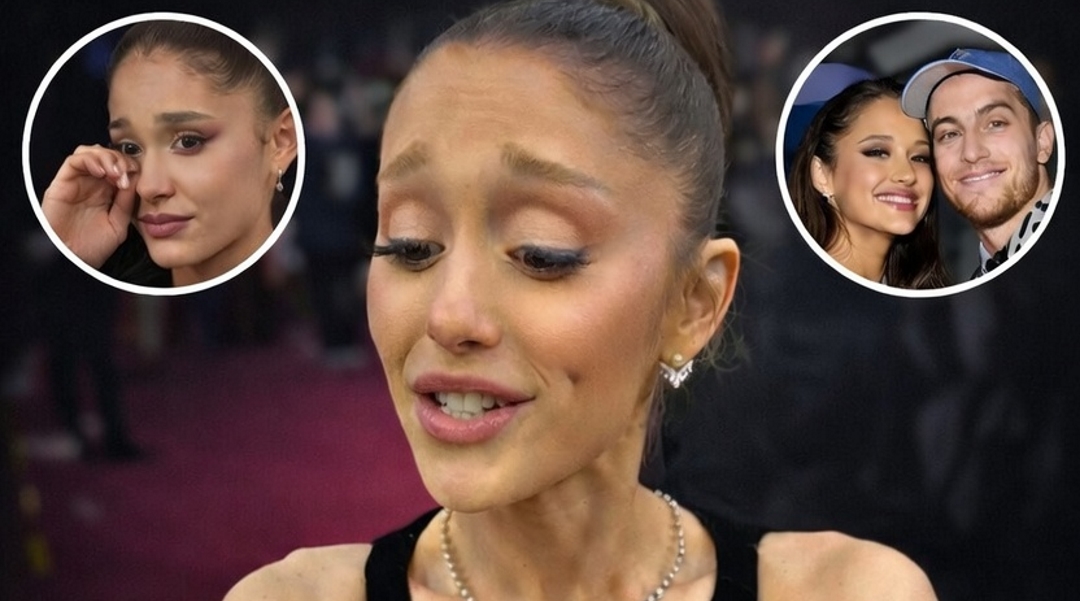
Ariana Grande has built a career on emotional transparency through music, but when it came to her own health, she chose something different: quiet. Now, the singer and actress is opening up about a difficult diagnosis that reshaped her private life and explains why she stepped back from speaking publicly at a time when fans noticed something was wrong.
Grande addressed the situation in recent comments that immediately resonated with supporters who have followed her closely for years. Rather than offering dramatic details, she spoke in measured, reflective terms, acknowledging that she had been dealing with serious personal health challenges while continuing to appear in public and fulfill professional commitments.
“I’ve been quiet,” she admitted, explaining that the silence was intentional. For Grande, privacy wasn’t avoidance—it was survival. She said she needed time to process what the diagnosis meant for her body, her mental health, and her future before she could talk about it openly.
The singer has long been candid about anxiety, PTSD, and the pressures of living in the public eye. This time, however, she suggested the situation felt more fragile. She was navigating medical information, treatment decisions, and emotional fallout all at once, while knowing that every physical change would be scrutinized online.
Fans had already begun speculating. Changes in her appearance sparked waves of commentary across social media, some of it supportive, much of it invasive. Grande has previously pushed back against body-focused speculation, and this experience appears to have reinforced her belief that constant commentary can do real harm.
In her update, she made it clear that public assumptions often miss the truth entirely. Health struggles, she noted, don’t always look the way people expect. Smiling in photos or performing on stage doesn’t mean someone is okay, just as stepping back doesn’t mean giving up.
According to reporting on Grande’s response to health and body scrutiny, the singer emphasized that compassion matters more than curiosity. She urged fans and critics alike to remember that bodies change for many reasons, most of them deeply personal.
The diagnosis itself has not been fully detailed, and Grande did not specify timelines or medical labels. That choice appears deliberate. Rather than centering the condition, she focused on the experience of living through it—fear, uncertainty, and the pressure to appear “fine” while quietly struggling.
She also acknowledged the emotional toll of being expected to explain herself. Fame, she said, creates a strange obligation where silence is treated as suspicion and openness as entitlement. Choosing when and how to speak became part of protecting her mental health.
Grande’s supporters have responded with an outpouring of empathy, many thanking her for modeling boundaries in a culture that often demands constant access. Others shared their own experiences with serious diagnoses, noting how isolating it can feel when your pain doesn’t match public expectations.
Mental health professionals have increasingly warned about the dangers of online speculation, particularly around illness. When public figures are reduced to rumors about weight, appearance, or stamina, it can reinforce stigma and discourage people from seeking help.
In analysis examining the impact of body commentary on mental health, experts explain that repeated public scrutiny can intensify anxiety and shame, especially during medical vulnerability. Grande’s experience reflects that dynamic on a global scale.
Despite the difficulty, she stressed that she is taking care of herself and moving forward intentionally. Healing, she said, isn’t linear, and it doesn’t always happen on a schedule that matches fans’ expectations or media cycles.
She also touched on gratitude—toward doctors, close friends, and a small circle she trusted with the truth during her quiet period. That support system, she said, made the difference between coping and collapsing.
The update arrives during a period of professional transition for Grande, who has balanced music with acting and high-profile projects. She hinted that future decisions will be guided less by pressure and more by sustainability, signaling a shift in how she defines success.
What stands out most in her message is restraint. In an era where oversharing is often rewarded, Grande chose discretion. She waited until she felt strong enough to speak, and even then, she spoke gently, without spectacle.
Her words serve as a reminder that silence does not equal absence, and privacy does not equal weakness. Sometimes it means someone is doing the hardest work out of sight.
For fans who grew up alongside her music, the update feels like an invitation—not to speculate, but to listen. To understand that public figures are still people navigating fear, diagnoses, and healing in real time.
Ariana Grande did not frame her health update as a conclusion or a comeback. It was simply a moment of honesty, offered on her terms. And in that honesty, she reframed strength not as constant visibility, but as knowing when to step back, breathe, and heal.
As she continues forward, her message is clear: compassion matters, silence can be necessary, and no one owes the world an explanation for surviving something deeply personal.