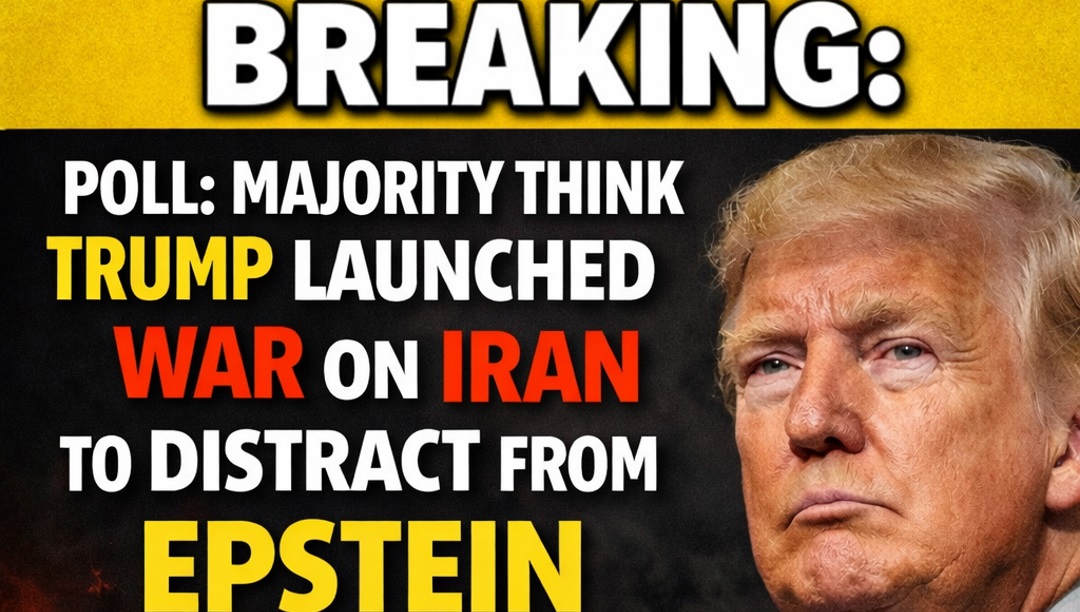
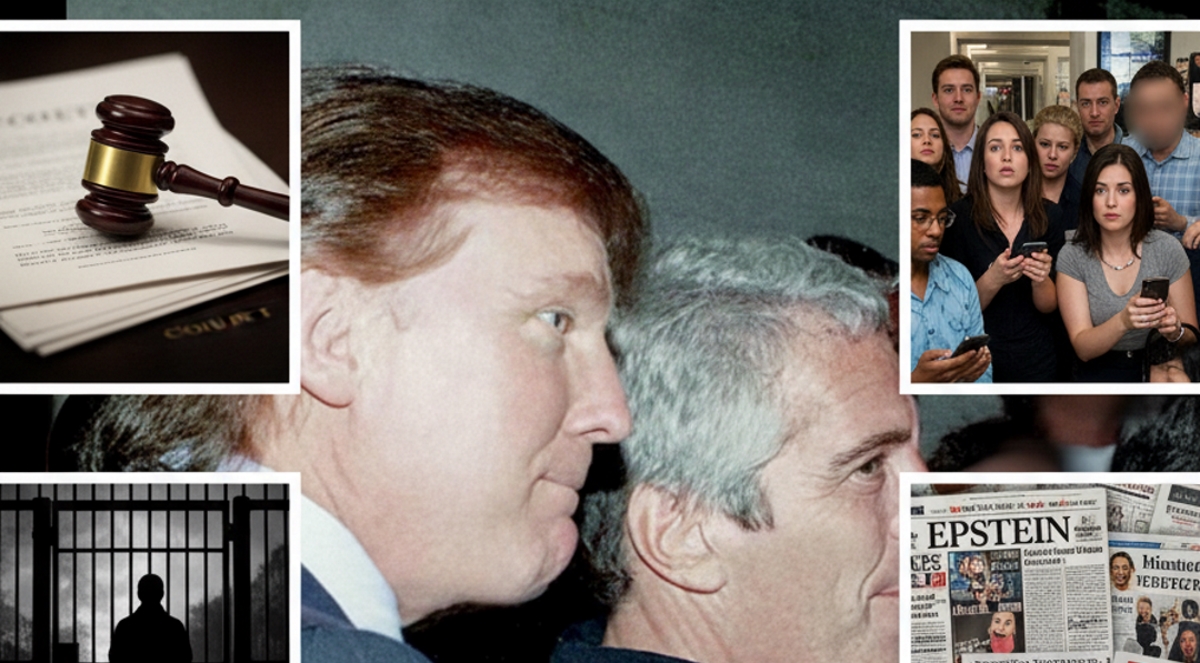
The countdown to the next Epstein document release has reopened a wound many Americans never believed truly healed. Online forums, cable news panels, and late-night conversations are circling the same unsettling question: did Donald Trump know more about Jeffrey Epstein’s alleged crimes than he ever admitted, long before the scandal finally exploded.
The renewed scrutiny follows mounting anticipation around the release of sealed court materials tied to Epstein’s sprawling trafficking network, records that legal analysts say could further expose how deeply powerful figures were entangled. As attention builds, resurfaced footage, old interviews, and archived social posts involving Trump have begun circulating again, forcing a fresh reckoning with his past proximity to the disgraced financier.
Trump and Epstein moved in overlapping social circles for years, frequenting the same Palm Beach parties and elite gatherings in the 1990s and early 2000s. Photographs and videos from Mar-a-Lago events, widely shared in archived coverage, show the two men laughing together alongside young women, moments that now read very differently in hindsight.
One clip in particular continues to haunt public discourse. In a 2002 interview, Trump famously remarked that Epstein was a “terrific guy” who liked women “on the younger side,” a quote that resurfaced in retrospective analysis dissecting how casually those words were brushed off at the time.
People didn’t care about that Trump quote back then. Now it feels impossible to ignore. — Maya Hernandez (@MayaReports) Dec 2025
At the heart of the controversy is not a claim that Trump was directly involved in Epstein’s crimes, but whether he was aware of allegations swirling quietly among insiders long before law enforcement intervened. Former Palm Beach residents have repeatedly told reporters that Epstein’s behavior was an “open secret,” a claim explored in investigative reporting that traced early warnings back decades.
Those accounts complicate Trump’s later attempts to distance himself. While Trump has said he banned Epstein from Mar-a-Lago, timelines remain murky, and no documentation has ever publicly confirmed when or why that alleged break occurred. Journalists reviewing social calendars and guest lists noted gaps and contradictions, as detailed in a deep dive into the conflicting narratives.
Public skepticism has intensified as Americans revisit how Epstein managed to avoid serious consequences for so long. His 2008 plea deal, widely criticized as shockingly lenient, allowed him to continue socializing with elites despite mounting allegations, a failure examined in legal breakdowns that question who benefited from silence.
Trump’s defenders argue that guilt by association is a dangerous game, noting that Epstein cultivated relationships with politicians across the ideological spectrum. They often point to documented ties involving Bill Clinton, Prince Andrew, and numerous business figures, connections outlined in global reporting mapping Epstein’s reach.
Epstein knew everyone. Singling out Trump without evidence is misleading. — David Keller (@KellerSays) Dec 2025
Yet critics counter that Trump’s public comments stand apart because they appear to acknowledge awareness of Epstein’s preferences long before the public fully grasped their implications. Ethics experts argue that such remarks raise uncomfortable questions about normalization among the powerful, a theme unpacked in policy analysis on elite impunity.
The looming document release has only sharpened that tension. Legal observers say the records may include testimony, depositions, and corroborating statements that further illuminate who knew what, and when. Survivors’ advocates emphasize that transparency is long overdue, echoing calls documented in advocacy reports urging accountability beyond Epstein himself.
Social media reaction reflects a country deeply divided. Some users frame the renewed focus as a political weapon, while others see it as a moral obligation finally being taken seriously. The intensity of these debates mirrors broader patterns identified in public opinion research showing collapsing trust in institutions meant to protect the vulnerable.
This isn’t about left or right. It’s about whether powerful men were protected. — Lena Ortiz (@JusticeLena) Dec 2025
Adding to the unease is the role of media silence during Epstein’s early years. Several outlets have since acknowledged missed opportunities, failures later examined in journalism critiques analyzing how wealth and influence distorted coverage.
For many Americans, the Trump question is symbolic rather than singular. It represents frustration with a system where rumors circulate openly among elites while victims struggle to be believed. That imbalance, scholars argue, is precisely how exploitation networks endure, a dynamic explored in academic research on power and abuse.
As sealed records inch closer to public view, expectations remain cautious. Legal experts warn that document releases rarely provide cinematic revelations, but they often supply enough connective tissue to force uncomfortable reassessments. Even partial confirmation of long-held suspicions could permanently reshape how Trump’s past associations are understood.
What feels different this time is the public mood. Where earlier revelations sparked fleeting outrage, today’s response carries exhaustion and anger, a sense that the truth has been deferred for too long. Whether the upcoming disclosures answer the question definitively or deepen the mystery, they are already reviving a debate many Americans believe should never have been buried.