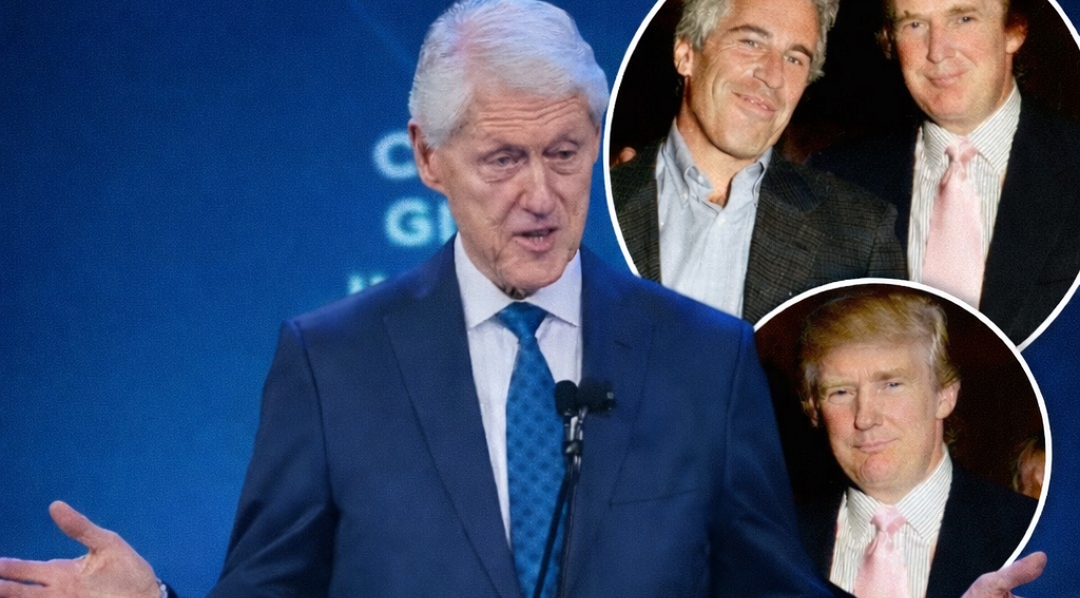
The Oversight Committee’s approach has been to widen the net, pressing for testimony and documents that could clarify how Epstein’s world operated and how institutions responded. The threat of contempt votes, even with witness cooperation, signals the committee isn’t treating this like a routine appearance — it’s treating it like a battle for control of the story.
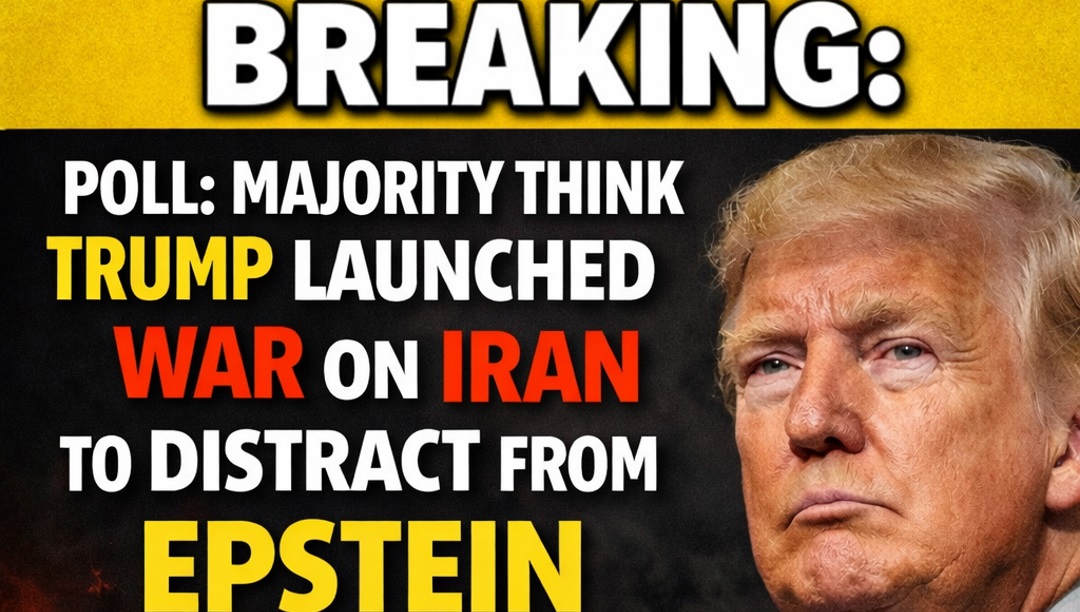
And that’s where Trump enters the picture, because Trump is the gravitational center of modern Republican politics. Even when the underlying issue is bigger than any one person, the way it’s discussed becomes instantly partisan: Democrats accused of protecting their own, Republicans accused of weaponizing survivors’ trauma, and both sides accused of caring more about headlines than justice.
On the Trump side, the political incentive is obvious. If the public conversation can be steered into “everyone was connected, therefore everyone is guilty,” it becomes a fog machine — a way to blur accountability until nothing is clear and nobody pays a price.
On the Democratic side, there’s a different risk. If Clinton’s testimony contains messy, complicated, or ambiguous details, it can become a blunt object used to paint the entire party as compromised, regardless of what the evidence ultimately supports.
Axios captured that tension recently, describing how even some Democrats appear wary about being seen as shielding Clinton from consequences in this fight, with lawmakers openly discussing contempt as the committee keeps applying pressure and the politics get uglier by the day.
What Clinton actually says — and what he refuses to say — is where the real story will live. If his testimony is tightly limited to what he can personally confirm, it may disappoint the people expecting a cinematic “exposure,” but it could still sharpen key facts about who had access to Epstein, what social circles overlapped, and how warnings moved (or didn’t) through elite networks.