There’s also the uncomfortable truth that the Grammys are one of the last places where a mainstream pop star can still hijack the moment in a way that feels uncontrollable. Social media has made celebrity statements constant, but live television still adds electricity. You can feel the room listening. You can feel the risk. And you can feel the backlash forming before the applause even ends.
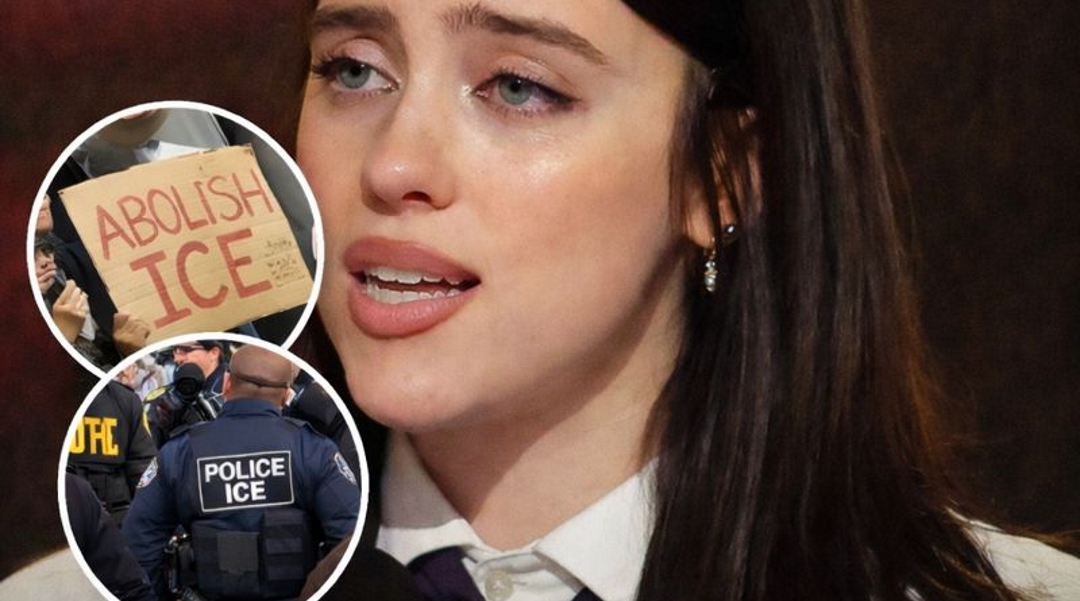
Eilish’s critics seized on the profanity and the direct ICE reference, arguing it was too harsh, too inflammatory, too disrespectful to law enforcement. Her supporters countered that harsh language is sometimes the only language that matches what people feel when families are separated and fear becomes routine. The debate wasn’t just about what she said—it was about who gets to speak, and how politely they’re expected to plead for humanity.
Meanwhile, the win itself became partially overshadowed by the speech, which is often what happens when an artist takes a massive award and refuses to play it safe. For Eilish, that tradeoff may be the point. A trophy lasts forever, but so does a moment that makes millions of people argue about something they might otherwise ignore.
Coverage of the wider Grammys night suggested the protest tone wasn’t accidental, with multiple celebrities showing signs of coordinated messaging around ICE and immigration. One roundup described how musicians used their visibility to push back against enforcement and call for solidarity, including a recap of the artists who spoke out and the symbols they wore on the carpet while the debate continued to spread across platforms.
By the time the show moved on, the damage—or the impact, depending on your view—was already done. Eilish had taken a polished industry moment and made it messy, human, and confrontational. The Grammys kept rolling, but the clip didn’t stop rolling with it, because the internet rarely lets a moment like that die quietly.
And maybe that’s the clearest takeaway: people don’t only watch awards shows for winners anymore. They watch for ruptures. They watch for the seconds when someone decides the script isn’t worth following, and the stage becomes a microphone for something bigger than music.