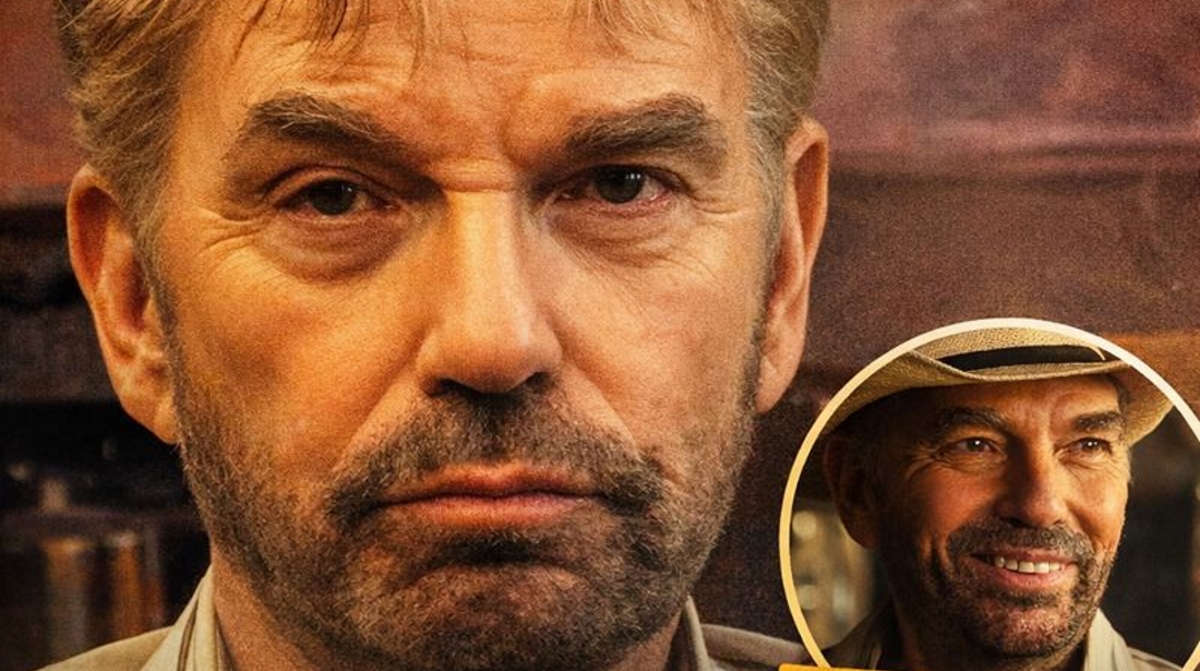
Viewers tuning into the latest season of a hit television series were not prepared for what unfolded onscreen. In a moment that instantly ignited social media, Billy Bob Thornton appeared fully exposed in a scene that many fans described as shocking, unexpected, and impossible to unsee.
The scene arrives without much warning. No dramatic music cue. No slow fade. Just a raw, unfiltered shot that left audiences scrambling for the remote and timelines exploding with disbelief. Within minutes of the episode airing, clips and reactions began circulating, turning a single creative choice into a cultural flashpoint.
Thornton, known for his willingness to push boundaries, has never shied away from discomfort. Still, even longtime fans admitted they were caught off guard. This wasn’t a quick gag or an obscured silhouette — it was explicit enough to spark immediate debate about intent, necessity, and shock value.
Some viewers praised the moment as fearless storytelling, arguing that it stripped away Hollywood vanity and leaned into realism. Others accused the series of chasing attention through provocation, questioning whether the exposure added anything meaningful to the narrative.
Television critics were quick to weigh in. Several pointed to long-running debates about male nudity on television, noting how rare it still is compared to its female counterpart. When it does appear, it tends to provoke outsized reaction.
Thornton’s career context matters here. Over decades, he has built a reputation for choosing roles that prioritize character over comfort. From unsettling performances to deeply flawed protagonists, he has consistently leaned into roles that resist sanitization.
Fans who revisited his filmography noted that this wasn’t entirely unprecedented. Thornton has previously spoken about rejecting the idea that actors must protect an image at all costs, a philosophy echoed in industry discussions about vulnerability as a performance tool.
Still, the visceral reaction suggests this crossed a different line for many viewers. The intimacy of television — watched at home, often with family — amplifies moments that might feel less jarring in a theater.
Social media reaction was immediate and polarized.
Was NOT ready for that Billy Bob Thornton scene. My jaw is still on the floor.— TV Takes (@TVTakesDaily) April 2025
Others rushed to contextualize the moment, arguing that the discomfort was intentional. The scene, they say, reinforces themes of power, aging, and vulnerability that run through the series.
Media scholars note that male nudity often triggers stronger reactions precisely because audiences aren’t conditioned to see it. Research into viewer perception suggests surprise plays a major role in emotional response, especially when norms are disrupted.
The network behind the series has not issued any apology or clarification, suggesting the moment was fully intentional and approved at every level. Insiders say the scene was discussed extensively during production and that Thornton himself was fully on board.
Supporters argue that the outrage reveals lingering double standards. Female nudity has long been normalized — sometimes criticized, often exploited — while male nudity is treated as inherently comedic or shocking. Moments like this force a reckoning with those assumptions.
Critics counter that intention doesn’t erase impact. They argue that viewers deserve clearer content warnings, especially when scenes are this explicit and unexpected.
The debate has spilled beyond fandom into broader cultural conversation. Commentators have compared the moment to earlier television controversies that initially sparked backlash before becoming accepted touchstones.
People saying it’s “too much” are kind of proving the point. We’re not used to men being shown this way on TV.— Screen Culture (@ScreenCultureHQ) April 2025
Thornton himself has remained characteristically quiet. Those familiar with his approach say that silence is deliberate — letting the work speak, and letting the audience wrestle with their reactions.
From a storytelling perspective, the scene has undeniably succeeded in one regard: it made people talk. Ratings for the episode spiked, searches surged, and the series found itself dominating entertainment headlines.
Whether the moment will be remembered as bold artistry or gratuitous excess remains to be seen. Television history suggests it will likely be both, depending on who you ask.
What’s clear is that Billy Bob Thornton once again refused to play it safe. At a stage in his career where comfort would be easy, he chose provocation instead.
For fans, the shock may fade. For television, the ripple effects may last longer, reopening conversations about body politics, realism, and what audiences are truly prepared to see.
In the end, the scene wasn’t just about exposure. It was about confrontation — with expectations, with norms, and with the uneasy line between art and discomfort.