
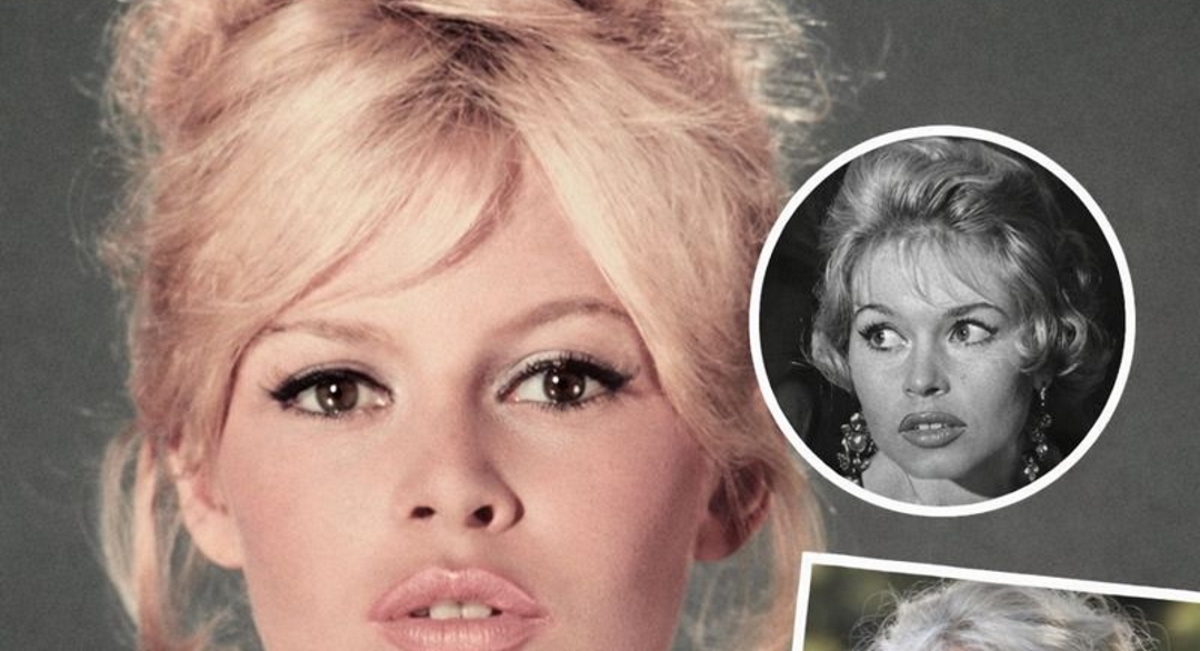
Long before social media, before influencers, before celebrity culture became a constant stream, Brigitte Bardot reshaped what fame looked like — and what it cost. Her image still lingers in global memory, not frozen in nostalgia, but complicated, controversial, and deeply influential.
Born into postwar France, She rose to prominence at a time when women were expected to fit into narrow, carefully controlled roles. She did the opposite. Her presence on screen projected a kind of unfiltered sensuality that unsettled conservative norms and electrified a generation.
By the late 1950s, Bardot was no longer just an actress — she was a cultural event. Films like And God Created Woman turned her into an international phenomenon, but fame arrived without protection. Paparazzi followed relentlessly, private life dissolved, and scrutiny became constant.
Observers later pointed out that Bardot was one of the first modern celebrities to experience fame as intrusion rather than privilege. Her struggles were often dismissed at the time, but modern discussions around the mechanics of celebrity culture reveal how ahead of her era those pressures were.
Behind the glamour, Bardot endured profound isolation. She spoke openly about depression, suicide attempts, and the feeling of being trapped by an image she never fully controlled. Unlike many of her contemporaries, she did not attempt to reinvent herself endlessly to satisfy public appetite.
Instead, she walked away.
At the height of her fame, Bardot left acting altogether, a move that stunned the entertainment world. She retreated from cinema and redirected her energy toward animal rights, a cause that would define the rest of her life more powerfully than any film role.
Her activism reshaped public consciousness in France and beyond. Campaigns against seal hunting, animal testing, and industrial farming drew attention to cruelty many preferred to ignore. Her foundation became one of Europe’s most influential animal welfare organizations, frequently cited in broader environmental discussions.
Yet Bardot’s legacy is far from uncomplicated. In later decades, her outspoken political views sparked outrage, legal consequences, and public debate. Critics argue that her rhetoric undermined the compassion she championed for animals. Supporters counter that her refusal to self-censor was always part of who she was.
That tension now defines how Bardot is remembered: not as a sanitized icon, but as a figure who never fit comfortably into moral binaries. Cultural historians note that this discomfort is precisely why her relevance endures.
Brigitte Bardot wasn’t just a beauty icon. She was one of the first women to reject fame on her own terms.— Film History (@FilmHistoryNow) February 2025
Younger generations often encounter Bardot through fragments — photographs, fashion references, sampled imagery — without context. But fashion historians emphasize that modern aesthetics owe much to her unapologetic authenticity, visible in lasting style influence that still echoes across runways.
Her image helped redefine femininity as something powerful, flawed, and self-directed. Bardot did not perform innocence or obedience. She embodied contradiction, which made her magnetic and unsettling at the same time.
In France, public memory remains divided. Some institutions celebrate her cultural impact while distancing themselves from her later statements. Others argue that separating art from artist is a modern invention applied selectively.
What cannot be disputed is Bardot’s role in reshaping how women existed in public life. Long before conversations about boundaries, consent, and mental health entered mainstream discourse, she lived the consequences of their absence.
Love her or criticize her, Brigitte Bardot changed how the world saw women on screen forever.— European Cinema (@EuroCinemaTalk) March 2025
Today, Bardot lives largely out of the spotlight, her name invoked more often in retrospectives than headlines. Yet her influence continues to surface whenever debates arise about fame, autonomy, and the cost of being endlessly visible.
Remembering Brigitte Bardot requires holding multiple truths at once. She was groundbreaking and reckless, compassionate and polarizing, liberated and wounded by the same forces.
In an age obsessed with reinvention and image management, her refusal to be easily rebranded may be her most enduring legacy.