Immigration advocates warned that even the threat of such bans could deter travel months in advance. Universities, sponsors, and broadcasters began quietly assessing risks, recalling how previous restrictions led to confusion that was widely criticized by business and diplomatic leaders.
Trump allies dismissed boycott calls as performative outrage. They argued that the former president’s base views strict entry policies as a strength, not a liability, and that international pressure would not sway decisions rooted in sovereignty. Similar defenses were raised during past disputes covered extensively in conservative media.
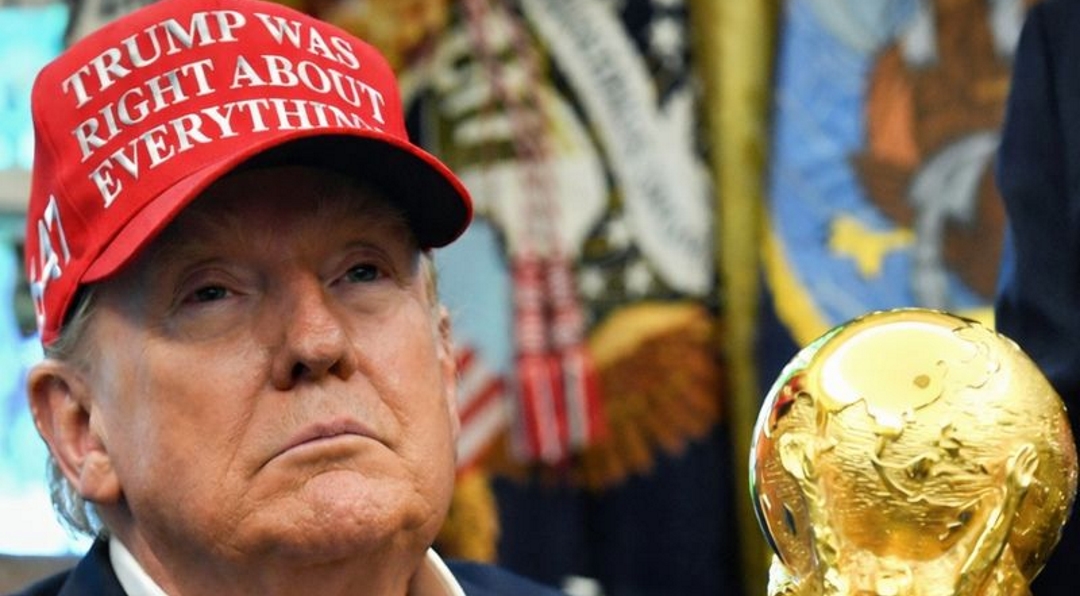
But the optics remain volatile. The image of a U.S. president threatening mass entry bans while positioning himself alongside the world’s most global sporting event has sharpened criticism from both political and athletic communities. Analysts cited in sports business reporting warned that sponsors may face pressure to take a public stance.
Whether a boycott materializes is still uncertain, but the damage to trust is already visible. What was meant to be a showcase of unity is now entangled in immigration politics, with fans questioning whether the World Cup can truly belong to the world if the host nation decides who is allowed to show up.