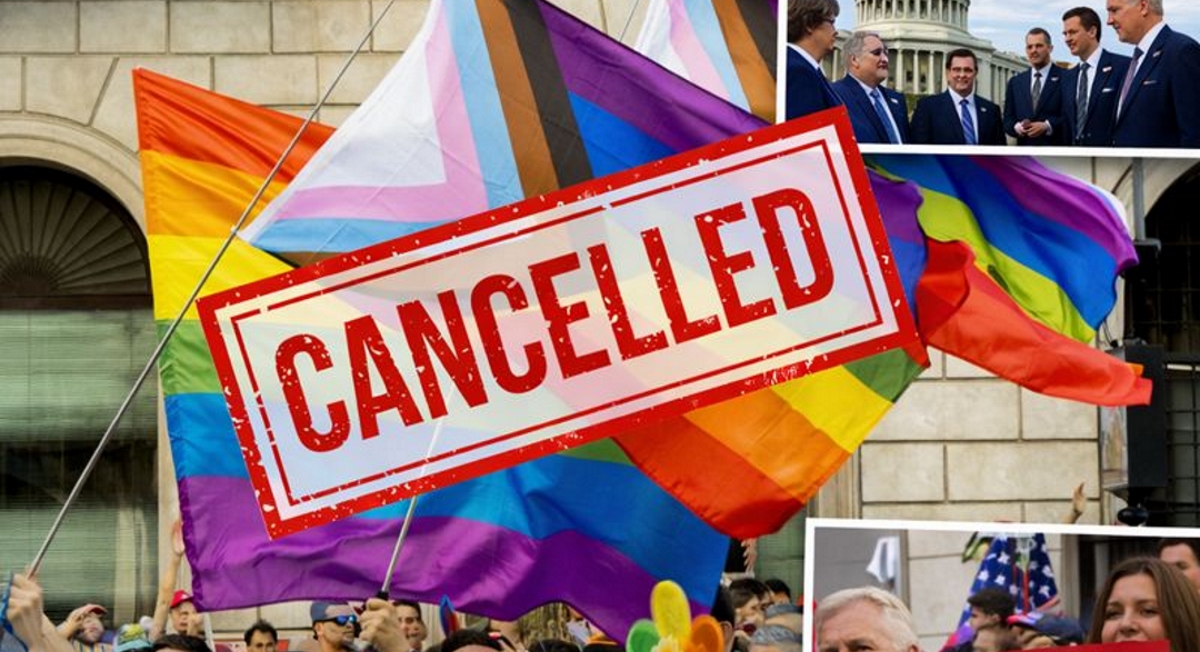
What once existed on the fringes of political rhetoric is now moving closer to the mainstream. Calls to end Pride Month in the United States have surged in recent weeks, pushed by conservative lawmakers, media figures, and activist groups framing the annual celebration as divisive, political, or harmful to children.
The push is no longer subtle. Statements demanding an end to Pride Month have appeared in campaign speeches, fundraising emails, and televised debates, signaling a coordinated effort rather than isolated outrage. Supporters argue that Pride has shifted from civil rights recognition into ideological enforcement.
Opponents of Pride Month claim it no longer represents tolerance but instead pressures institutions, schools, and corporations into participation. Several lawmakers have cited recent conservative critiques to argue that government endorsement of Pride violates neutrality.
The rhetoric has sharpened as Pride celebrations expanded visibility in public spaces. Rainbow flags on government buildings, Pride-themed school programming, and corporate campaigns have become focal points for critics who frame the movement as cultural overreach.
In multiple states, bills have quietly emerged aiming to restrict Pride-related events on public property or ban Pride symbols in schools. While few explicitly reference ending Pride Month by name, advocates see them as stepping stones toward erasing it altogether.
Supporters of Pride Month say the backlash is not about neutrality but about rolling back visibility hard-won through decades of activism. They point to documented civil rights battles to remind the public that Pride exists because LGBTQ people were historically excluded, criminalized, and silenced.
The timing is not accidental. Culture war strategists have increasingly leaned into social issues as economic anxieties dominate voter concerns. By reframing Pride as a threat rather than a celebration, political operatives mobilize outrage that translates into donations and turnout.
Public opinion is fractured. Polling shows younger Americans overwhelmingly support Pride Month, while older and more conservative demographics express fatigue or opposition. That generational divide has become a central fault line, shaping how aggressively politicians are willing to push the issue.
Corporate America now finds itself caught in the middle. After years of enthusiastic Pride branding, some companies have quietly scaled back campaigns following boycotts and online harassment. Analysts referenced recent market reactions showing how cultural pressure now carries real financial consequences.
Critics of the anti-Pride push warn that ending Pride Month would not end LGBTQ visibility but would legitimize discrimination. They argue that removing recognition sends a message that queer identities are acceptable only in private, not in public life.
Religious groups have also entered the debate, with some supporting the calls while others caution against using faith as a political weapon. Several denominations emphasized that disagreement does not justify erasure, referencing broader faith-based trends toward inclusion.
At the grassroots level, Pride organizers report increased security concerns. Threats, protests, and permit challenges have become more common, forcing some events to scale back or relocate. Volunteers describe an atmosphere that feels less celebratory and more defensive.
Meanwhile, proponents of ending Pride Month insist they are pushing back against politicization, not targeting individuals. Yet critics argue that removing public recognition inevitably impacts people who rely on visibility for safety, affirmation, and community.
The debate has exposed a deeper question about who gets recognized in American public life. Is Pride Month an endorsement, or an acknowledgment of historical reality? That distinction sits at the heart of the conflict.
As calls to end Pride Month grow louder, LGBTQ advocates say they are preparing for a prolonged fight rather than a single legislative battle. History suggests that visibility retreats rarely happen quietly, and resistance often sharpens when rights feel threatened.
Whether the push succeeds or stalls, the conversation has already shifted. Pride Month is no longer just a celebration; it has become a litmus test for how America negotiates identity, power, and who is allowed to be seen.