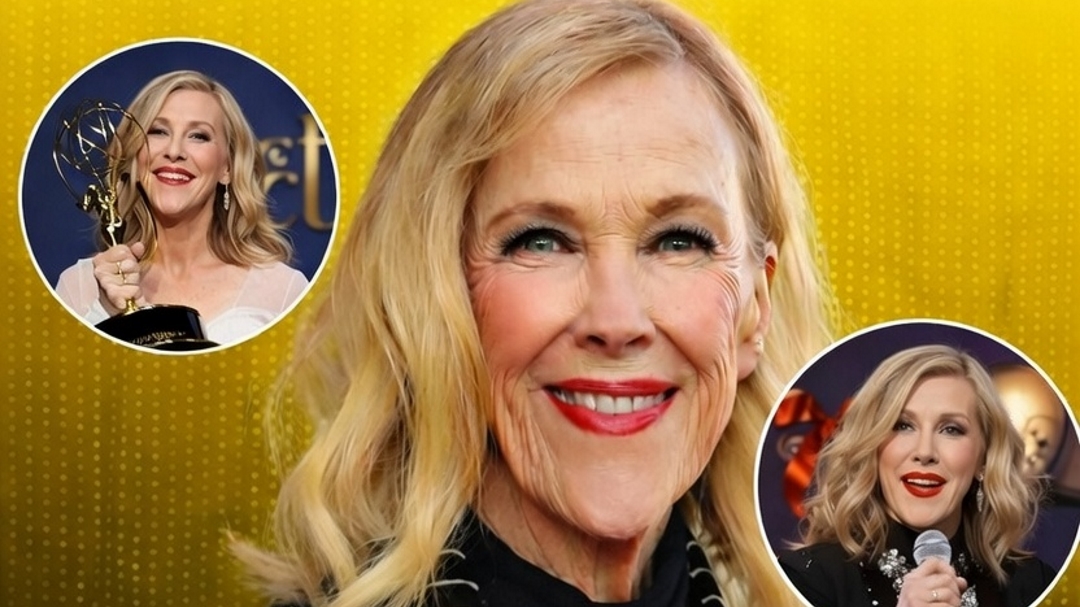
Part of what made the rumor mill feel especially cruel is that O’Hara didn’t live like a constant headline. She wasn’t the celebrity who flooded the internet with updates, so when real information was scarce early on, the vacuum filled with whatever looked “official” enough to share. A screenshot. A template graphic. A made-up “exclusive.” By the time people realized they’d reposted something unreliable, it had already been scraped and duplicated hundreds of times.
Still, there’s a reason the real confirmations hit harder than the sensational posts. O’Hara’s career wasn’t built on one viral moment; it was built on decades of careful, fearless work that made absurd characters feel human. Whether she was playing a mother on the edge, an eccentric artist, or a woman using humor as armor, she had that rare ability to let a joke land while you still felt the ache behind it.
For many fans, the loss feels personal because her work got woven into everyday life. People didn’t just “watch” her; they grew up with her. They quoted her. They played her scenes when they needed comfort. And in the last stretch of her career, she wasn’t coasting on nostalgia—she was still showing up with sharpness and surprise, still being rediscovered by younger viewers who had no idea how deep her résumé ran.
That’s why the tributes have carried a specific kind of gratitude rather than generic mourning. You can feel it in the way people talk about her: not as a distant icon, but as someone whose comedic precision made their homes lighter. There’s also a protective anger underneath, aimed at the way the internet sometimes turns a human death into a scrolling spectacle.