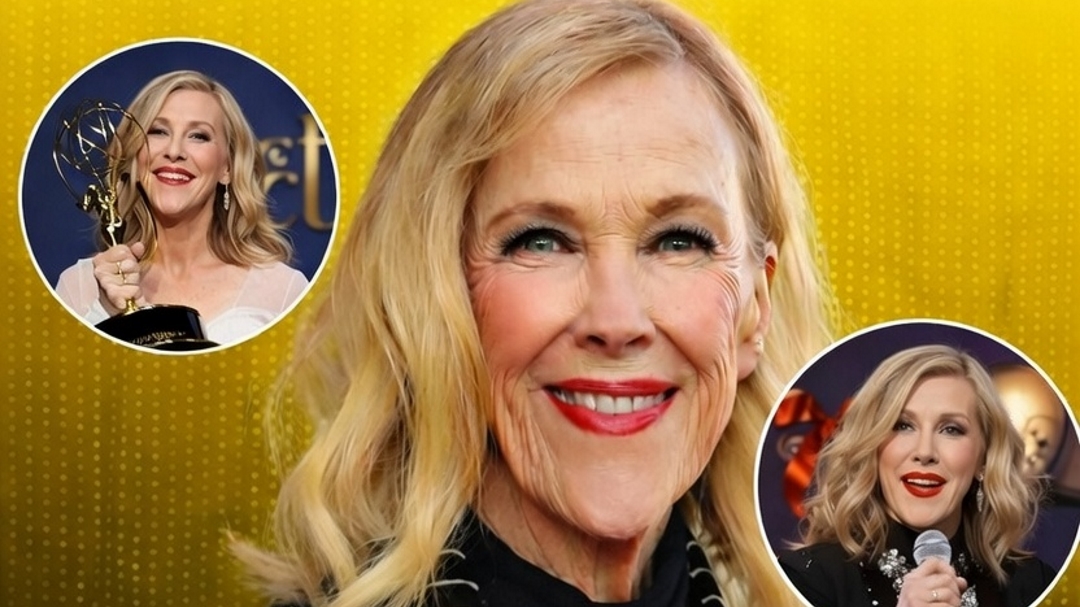
A pulmonary embolism is not a dramatic plot twist; it’s a medical emergency that can happen quickly and catastrophically, often linked to blood clots that travel to the lungs. When it shows up in the context of cancer, it can reflect the way serious illness increases risk factors in the body. Even stating that plainly can feel brutal, because it replaces the person we recognize—smiling on a red carpet, delivering a perfectly timed line—with the sterile language of a document.
What’s also been striking is how fast people have reached for her “best of” highlights, as if trying to hold onto something solid while the news still feels unreal. The obituary coverage has leaned into that, reminding readers that her gift wasn’t just loud comedy; it was the radical sincerity inside it, the way she could make a ridiculous character feel like someone you understood. In Time’s look back at her legacy and late-career renaissance, that through-line is clear: she played delusion, arrogance, and chaos, but she never played them empty.
And maybe that’s the final reason this story has hit the way it has. O’Hara made people feel seen through humor. She didn’t just deliver jokes—she delivered permission to be messy, dramatic, scared, and still lovable. When someone like that is suddenly gone, the world feels sharper for a minute, like the protective layer of laughter has been peeled back.
If there’s one thing worth taking from the storm of posts and reposts, it’s this: the facts matter, and so does the way we carry them. The confirmed details don’t need to be dressed up to be devastating. Catherine O’Hara’s work will keep playing in living rooms, on late-night rewatches, in clips passed between friends, and in that quiet moment when someone realizes they’re laughing through tears.