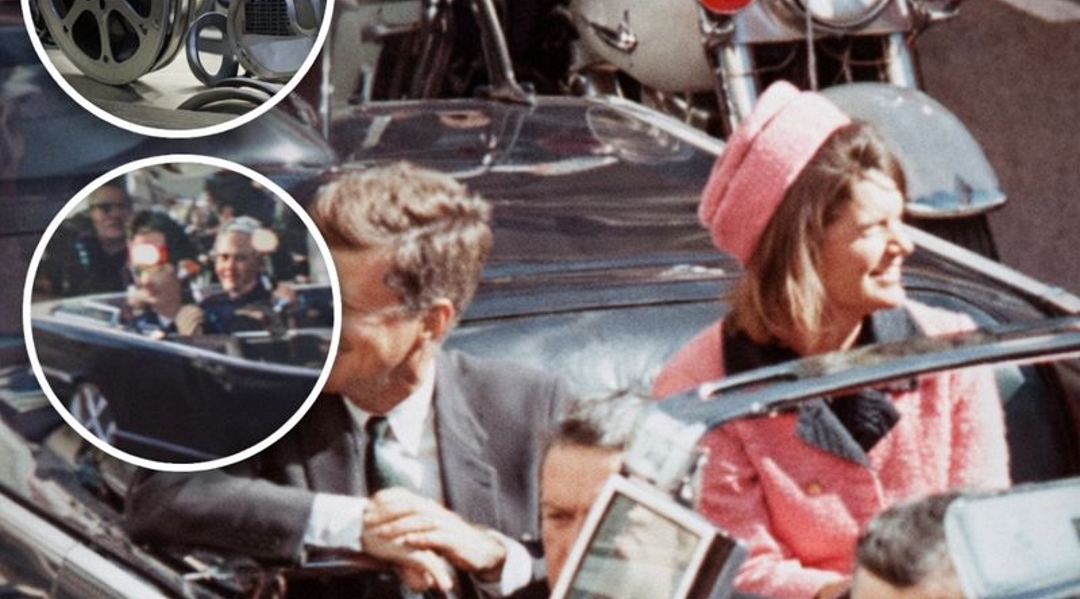
That’s exactly where the “hidden film” idea gains traction: the assumption that if thousands of pages can remain withheld, then a reel of footage could, too. And to be fair, the government’s record on transparency hasn’t inspired trust. Every delayed release, every new batch of documents, every “we found more records” announcement reopens the wound and fuels the suspicion that the public still doesn’t have the whole picture.
In fact, not long ago, new attention landed on the fact that additional assassination-related records were located and set to be transferred to the National Archives — a reminder that even after decades, the paper trail is still being organized, discovered, and reprocessed. The Associated Press reported on the FBI saying it found thousands of new JFK records, a development that instantly reignited the familiar question: if new files can still turn up, what else has been sitting in the system unseen?
But here’s the uncomfortable reality: the viral “one film will prove it” framing almost always oversells what footage can do. Even the most famous existing films have been pored over endlessly by experts and amateurs alike, frame-by-frame, for generations — and while interpretations differ wildly, footage alone rarely delivers the clean courtroom-style certainty people crave. Cameras capture angles, not motives. They capture motion, not chains of command. They capture a moment, not the full machinery behind it.
That doesn’t mean all skepticism is nonsense. It means the deeper questions people are actually asking — about institutional behavior, intelligence oversight, withheld records, and what was known when — are questions that tend to live in documents and testimony more than in a single strip of film.