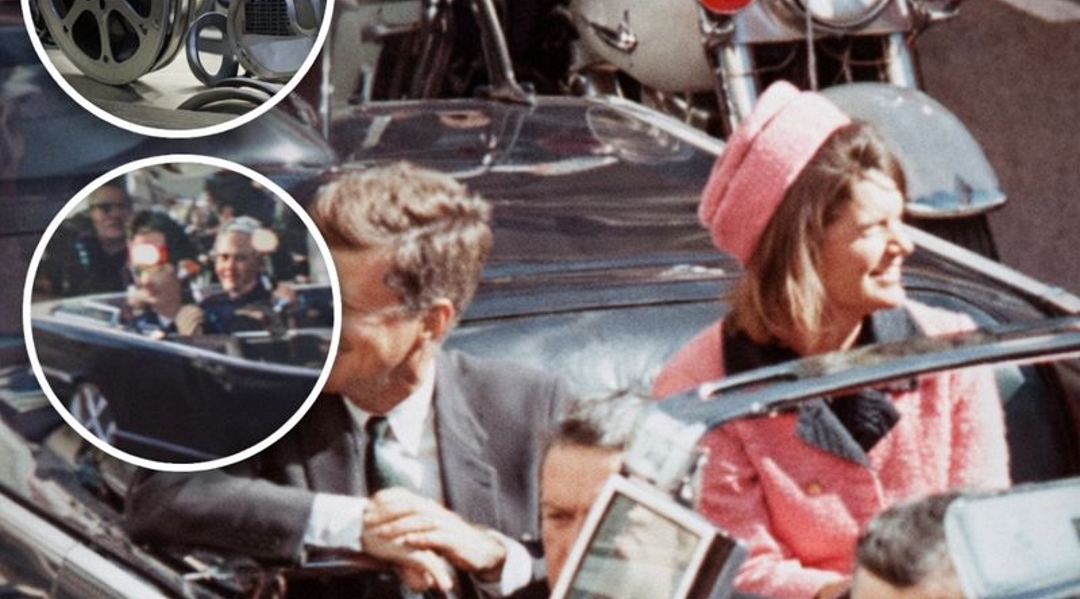
The “hidden film” rumor also thrives because it feels like the most human kind of evidence. A film is tangible. A film feels like truth you can see with your own eyes. It’s the opposite of bureaucratic language, closed-door briefings, and blacked-out paragraphs. It feels like the kind of proof that can’t be explained away with careful wording.
And yet, if a new or “lost” assassination film ever surfaced tomorrow, the fight wouldn’t end. It would mutate. People would argue about authenticity. About edits. About provenance. About whether it was the full reel or a copy. About whether it was held back intentionally or simply misplaced in the chaos of a half-century of recordkeeping. The internet would split into camps in hours, and the same old mistrust would immediately attach itself to the new artifact.
What makes this moment especially combustible is how conspiracy content now travels. A claim doesn’t need to be solid — it just needs to be emotionally loud. The phrase “hidden for decades” is rocket fuel because it implies betrayal, and betrayal is the one ingredient that can keep an old story feeling brand new.
So where does that leave the public, right now, with these new waves of posts insisting the truth is trapped inside some unreleased film? It leaves people back where they’ve been for years: stuck between the reality that a huge amount of information is already public, and the nagging fear that the most important parts might still be missing.
The only way the temperature ever drops is when transparency rises — not through sensational claims, but through verifiable releases with clear sourcing and accountability. That’s why every update about additional records, every transfer to the archives, every incremental opening of the files matters, even when it feels slow and unsatisfying. The AP’s reporting on newly found FBI records is one more reminder that the “JFK file” is not a closed book, and the public pressure to keep opening it isn’t fading with time.
And maybe that’s the most honest takeaway: the JFK assassination isn’t just a murder case in the American imagination. It’s a trust case. The reason a “hidden film” rumor still spreads like wildfire isn’t only about what happened in Dealey Plaza. It’s about everything that happened after — the decades of secrecy, the shifting disclosures, and the sense that when institutions control the evidence, the public is always left wondering what they weren’t meant to see