
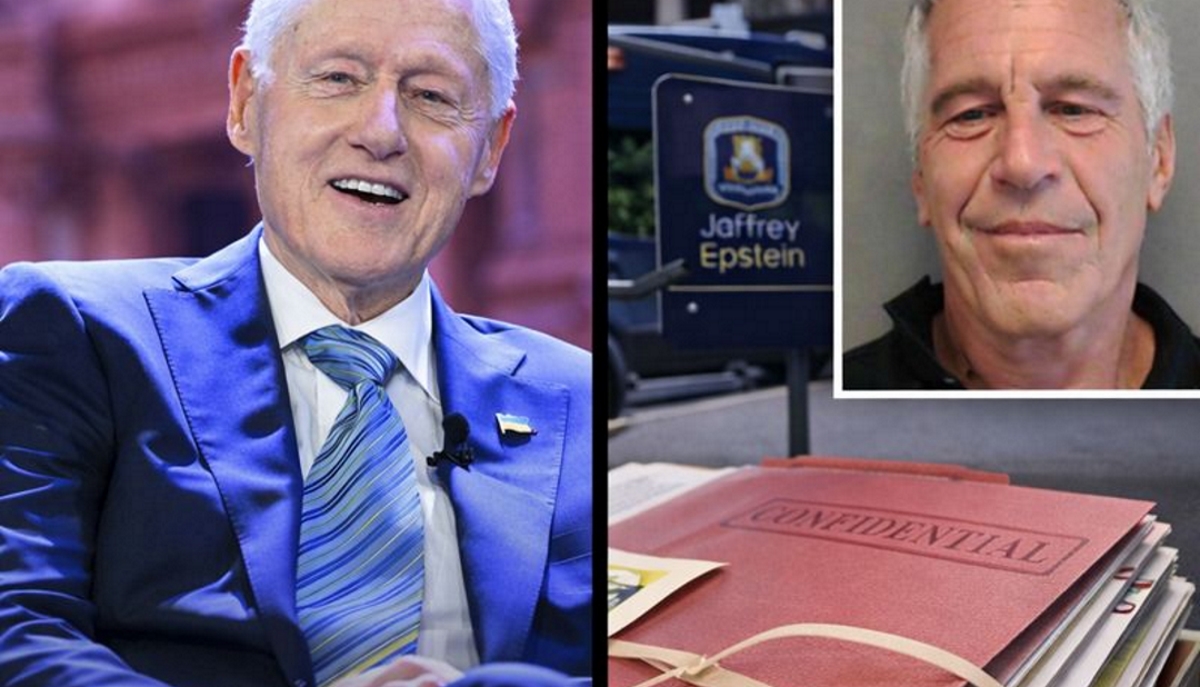
A spokesperson for Bill Clinton has stepped forward to address renewed attention surrounding Department of Justice files, as fresh speculation and resurfaced documents once again pull the former president’s name into a familiar and deeply sensitive conversation. The comments come amid heightened public pressure for transparency and clarity around long-sealed or partially released records tied to past investigations.
The spokesperson emphasized that Clinton has cooperated with authorities when requested and has not been accused of any wrongdoing related to the files now circulating in online discussions. Still, the statement did little to quiet growing curiosity about what exactly remains locked away and why the release of certain DOJ materials continues to move at a glacial pace.
According to the spokesperson, many of the documents being referenced are either mischaracterized, taken out of context, or part of routine archival material that does not imply criminal conduct. That clarification echoed explanations long offered by Clinton allies whenever new document drops or data leaks reignite scrutiny.
Has faced repeated waves of public attention over the years as records, photos, and testimonies tied to high-profile investigations resurface. Each time, the pattern has been similar: renewed speculation, official denials, and lingering frustration over what remains undisclosed.
The DOJ files now drawing attention are part of a broader universe of records that span multiple administrations and investigations. Legal experts caution that the existence of files alone does not indicate misconduct, noting that federal agencies generate vast amounts of documentation even when no charges follow. That nuance is often lost, as outlined in explanations most people skip when controversy flares.
Still, the spokesperson acknowledged public skepticism, saying trust has eroded over time due to high-profile failures and secrecy surrounding powerful figures. They argued that selective releases and speculation-driven narratives have created an environment where even routine records are viewed through a lens of suspicion.
Documents don’t speak for themselves — people interpret them, often badly. — Legal analyst (@FileContext) Dec 2025
Advocates for greater transparency remain unconvinced. They argue that repeated assurances without full disclosure only deepen mistrust. Several watchdog groups have renewed calls for broader release of DOJ materials, insisting that sunlight is the only way to resolve lingering doubts, a position echoed in arguments that rarely go viral.
Clinton allies counter that indiscriminate disclosure risks violating privacy, misrepresenting evidence, and fueling conspiracy theories. They warn that releasing raw or incomplete files without context can do more harm than good, especially in politically charged environments.
The spokesperson also pushed back against online narratives suggesting the files contain explosive revelations. They said similar claims have surfaced repeatedly over the years, only to collapse under scrutiny. In many cases, they argued, documents cited as “bombshells” turned out to be administrative or tangential.
That tension between transparency and restraint has become a defining feature of modern political accountability. Scholars note that the public increasingly demands immediate access to information, while institutions remain bound by legal and ethical constraints, a clash examined in research that tends to gather dust.
The gap between what people want to know and what institutions can release keeps growing. — Governance researcher (@CivicTrustLab) Dec 2025
Critics argue that Clinton’s long public career amplifies the stakes. As one of the most prominent political figures of the late 20th century, any unresolved question surrounding him takes on symbolic weight, regardless of legal outcomes. Supporters say that very prominence makes him a perpetual target for recycled allegations.
The DOJ has not issued a new statement addressing the specific files discussed by Clinton’s spokesperson, a silence that has only fueled speculation. Legal analysts note that the department rarely comments on archival matters unless compelled, a practice outlined in policies few people ever read.
Meanwhile, social media continues to blur the line between documentation and accusation. Screenshots, partial excerpts, and speculative threads circulate rapidly, often detached from original sources or timelines. The spokesperson urged the public to approach such material cautiously, emphasizing the difference between evidence and interpretation.
Context isn’t optional — it’s everything. — Media ethicist (@SourceCheck) Dec 2025
For many observers, the episode underscores a deeper frustration with how accountability works in America. The question is no longer just what is in the files, but why confidence in institutions has become so fragile that even official explanations struggle to land.
As debates over DOJ transparency continue, Clinton’s spokesperson signaled that the former president has no plans to issue further statements unless new, substantiated information emerges. Whether that will satisfy critics remains doubtful.
What is clear is that in an era defined by leaks, archives, and online amplification, no file ever truly stays buried. And until the balance between disclosure and trust is resolved, figures like Clinton will continue to find themselves pulled back into the spotlight — not by new accusations, but by unresolved questions that refuse to fade.