
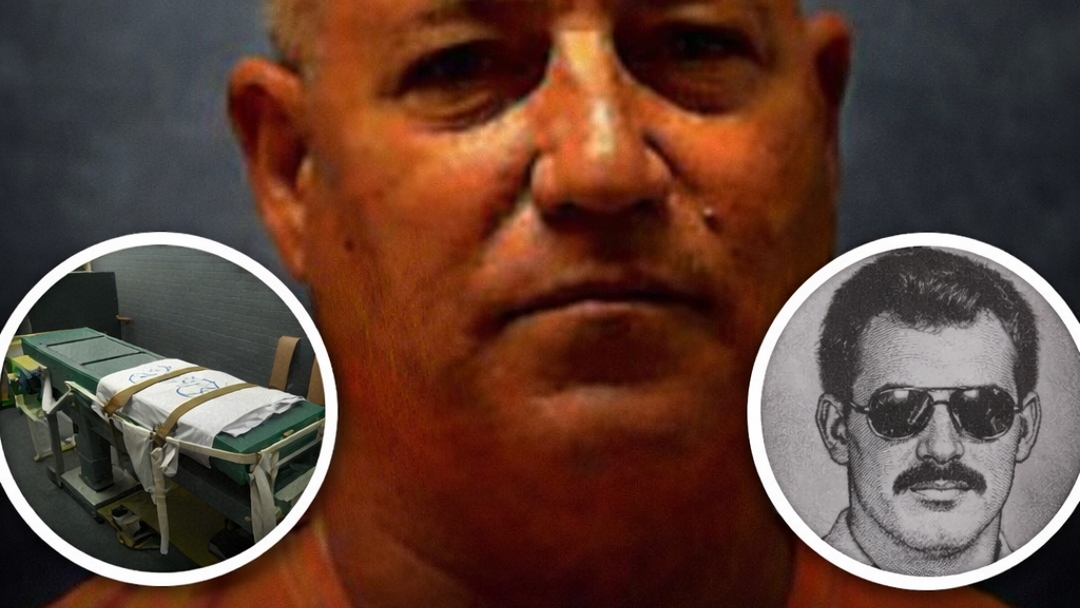
The chamber was silent except for the low hum of fluorescent lights and the measured breathing of witnesses seated behind thick glass. After more than three decades behind bars, the man convicted of a brutal 1989 killing lay strapped to a gurney, moments away from a sentence that had been debated in courtrooms and living rooms for years.
His face appeared calm. There was no visible panic, no last-second outburst. Only a brief pause before he spoke — words that would become the final line in a case that had long haunted a community.
The crime itself had stunned residents back in 1989. Prosecutors said the victim was abducted and murdered in an act that shocked even seasoned investigators. Court documents described a violent encounter, and the evidence presented at trial led jurors to return a death sentence after hours of deliberation.
Over the decades that followed, appeals wound their way through state and federal courts. Defense attorneys challenged aspects of the investigation and the sentencing process, arguing constitutional concerns and procedural flaws. Each time, higher courts upheld the conviction, clearing the path for an execution date to be set.