
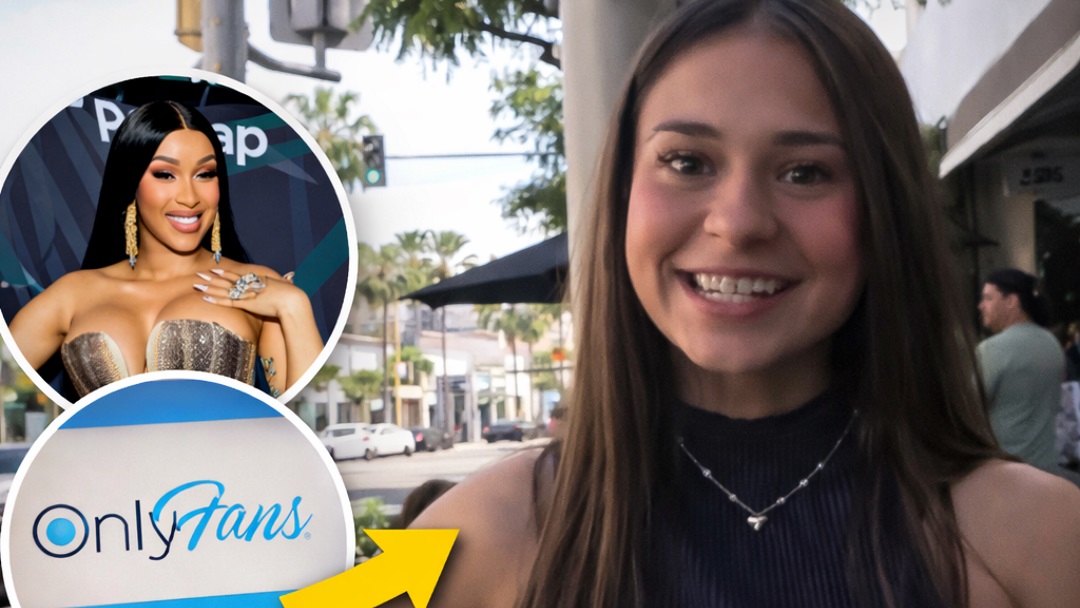
The boundaries between mainstream celebrity and internet creators continue to blur, and nowhere is that shift more visible than on platforms built around direct fan access.
In recent interviews and social media conversations, content creator Sophie Rain has joined a growing number of influencers openly discussing the possibility of collaborations with major entertainment figures — including the idea of working with Grammy-winning rapper Cardi B.
Her comment was less a formal announcement and more a reflection of how dramatically the creator economy has changed.
Platforms like OnlyFans, originally known primarily for subscription-based creator content, have increasingly become part of broader conversations about digital entrepreneurship. For many creators, the platform represents control — ownership of audience relationships without traditional industry gatekeepers.
That independence is part of the appeal.
Rain’s remarks about a potential collaboration appear to reflect admiration rather than any confirmed project. Like many creators building their audiences online, she framed the idea as an example of how internet culture now allows personalities from very different spaces to potentially intersect.
The fact that such collaborations are even discussed publicly shows how much entertainment economics have shifted.
A decade ago, crossovers between mainstream music stars and independent internet creators were rare. Today, social media influence often rivals traditional celebrity reach, making partnerships between the two increasingly plausible from a marketing perspective.
Industry analysts say the real story is less about any single collaboration and more about how power in entertainment has decentralized.
You can read more about how the creator economy has grown here:
Research on the rise of digital creators
Cardi B herself has been part of this broader shift. Before becoming a global music figure, she built her early following through social media personality and direct audience engagement — a path that now feels almost standard for rising entertainers.
That trajectory makes conversations like this feel less surprising to younger audiences who grew up watching fame develop online rather than through traditional media channels.
At the same time, collaborations in the creator space often function as branding discussions rather than immediate plans. Public comments can reflect networking, admiration, or simply participation in trending conversations rather than formal negotiations.
For creators like Rain, visibility itself can be part of the strategy.
Marketing experts note that discussing hypothetical partnerships with well-known figures can increase reach by placing emerging personalities into larger cultural conversations.
You can explore how influencer marketing works here:
Overview of influencer marketing trends
Audience reaction to these discussions tends to follow a familiar pattern: curiosity from fans, skepticism from critics, and interest from brands watching how digital personalities shape consumer attention.
For many younger creators, the larger message is clear.
The old divide between celebrity and influencer is fading. What matters now is audience loyalty, engagement, and the ability to keep people watching — whether through music, video, podcasts, or subscription platforms.
Whether any collaboration ever materializes is ultimately secondary to what the conversation itself shows.
The entertainment industry is no longer a closed system.
And increasingly, the next big partnership might not come from a record label or film studio — but from a comment made online that captures exactly where modern fame now lives.