
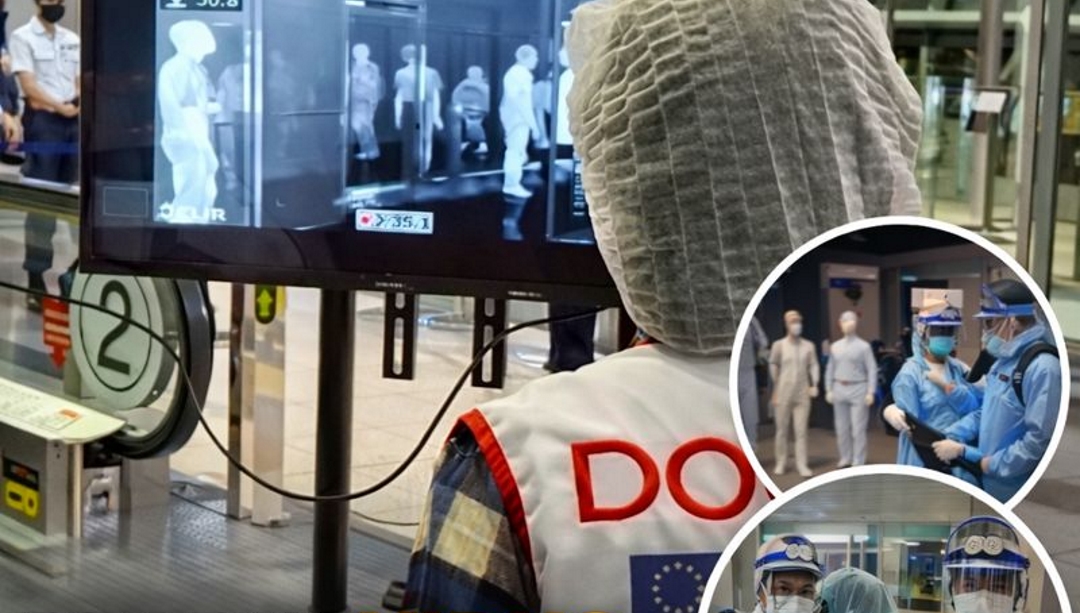
Officials stress the goal is not panic, but early detection. Even imperfect screening can slow transmission long enough for contact tracing and isolation to work, a strategy emphasized in outbreak response protocols.
Nipah outbreaks are often linked to animal-to-human transmission, particularly through fruit bats, with the virus spreading via contaminated food or close contact, and in some cases passing between people in healthcare settings, according to WHO summaries.
Because there is no licensed vaccine and treatment remains supportive rather than curative, public health efforts focus heavily on containment, infection control, and early intervention. Once neurological symptoms appear, outcomes can deteriorate rapidly.
Social media reaction to the airport measures has been split, with some users warning against overreaction while others point to Nipah’s historical fatality rates, which have ranged from 40 to over 70 percent in certain outbreaks, depending on healthcare access and response speed.
Researchers have long warned that Nipah’s combination of severity and unpredictability places it among viruses with pandemic potential, not because global spread is inevitable, but because delays in detection can be catastrophic, a concern echoed in scientific risk assessments.
For travelers, health agencies recommend monitoring symptoms closely after travel, avoiding exposure to potentially contaminated food products, and seeking immediate medical attention if neurological symptoms appear, advice consistent with preventive guidelines.
Authorities emphasize that the return of airport screening does not signal a lockdown scenario, but reflects lessons learned from COVID: early action during limited outbreaks is far less disruptive than delayed response once transmission accelerates.
As investigations continue and contacts are monitored, officials say transparency and vigilance will determine whether the outbreak remains contained or escalates, underscoring why even familiar, uncomfortable measures are being used again.