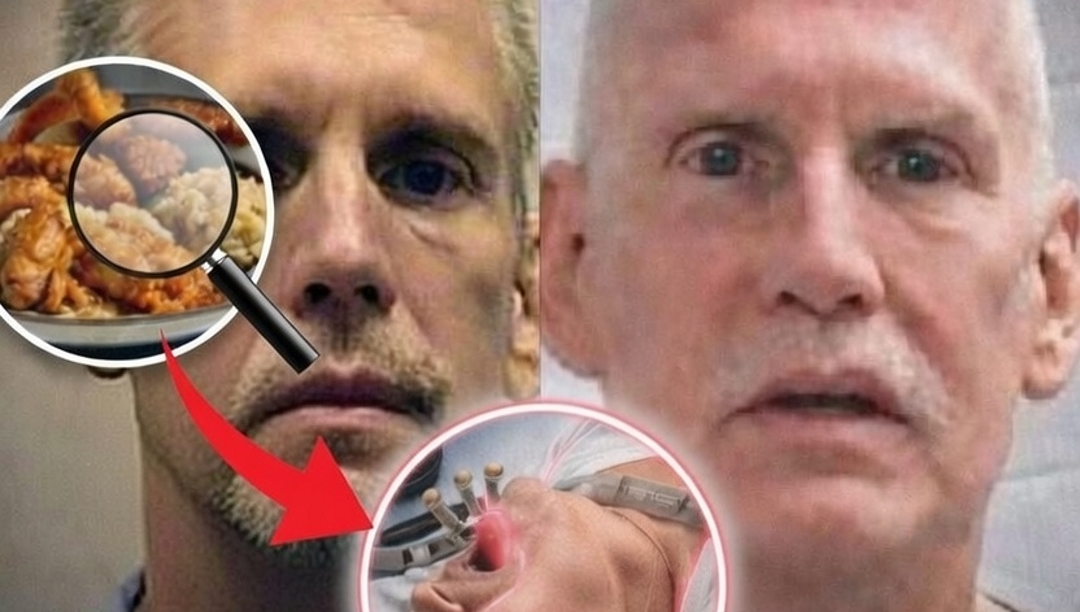
In the final hours before his execution, a death row inmate was granted what is often described as a small mercy in an otherwise merciless process: a last meal of his choosing. What followed, according to court filings, witness accounts, and medical experts, became an unexpected and deeply disturbing complication that altered the final moments of his life.
The inmate, whose execution was scheduled following years of appeals, selected a meal that appeared unremarkable on paper. Prison officials approved the request, and there was no indication that the food posed any immediate danger. But within hours, things began to go wrong.
As the execution window approached, witnesses later testified that the man began showing visible signs of distress. He complained of severe discomfort, difficulty breathing, and intense pain. Medical staff were summoned, but the situation unfolded rapidly.
According to records later reviewed by attorneys, the inmate suffered a medical emergency linked directly to the contents of his final meal. The complication triggered a cascade of physical reactions that left him struggling long before the execution procedure itself began.