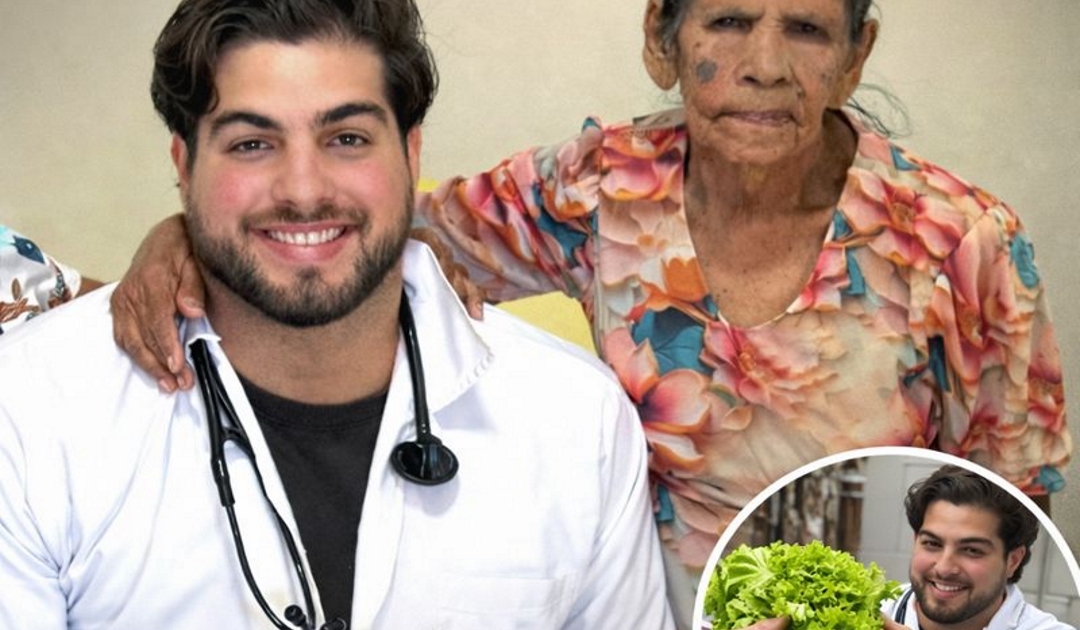
While many praised the doctor’s approach as compassionate, some critics questioned whether such arrangements highlight deeper systemic failures rather than offering sustainable solutions. Analysts cited in coverage of global healthcare inequality argue that stories like this often go viral because they expose how normal access to care remains out of reach for millions.
Medical associations generally discourage barter systems, citing regulatory and ethical complexities. However, experts told health policy reporters that exceptions frequently occur in regions where enforcing standard payment models would effectively deny care altogether.
Supporters counter that the doctor’s actions reflect the original ethos of medicine — treating patients first, paperwork second. They argue that while food payments are not a scalable fix, they serve as a reminder of how flexible care can be when systems allow discretion.
The story has also reignited debate about universal healthcare access and whether reliance on individual goodwill masks the urgency for structural reform. Public health researchers emphasize that no doctor should be forced to choose between compassion and compliance.
For the patients involved, the arrangement is simple. They receive treatment when they need it, and they give what they can in return. For many observers, the situation underscores a harsh truth: when healthcare fails to meet people where they are, informal solutions fill the gap.