
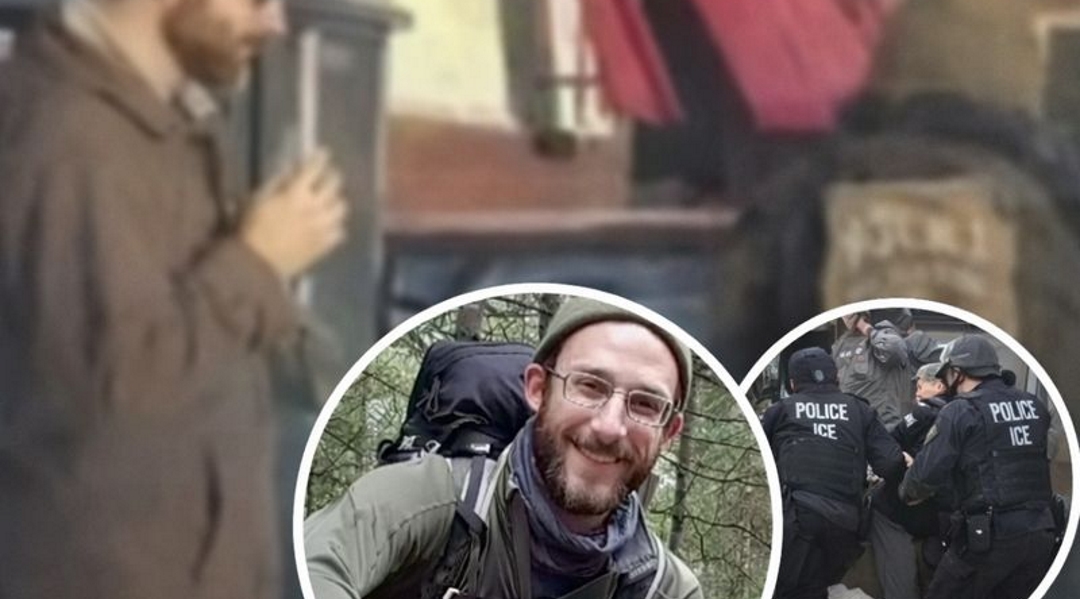
A physician who rushed to help a man shot during protests in Minneapolis has come forward with a detailed account of what he says happened in the moments after the shooting, raising new questions about federal law enforcement tactics and access to emergency medical care.
The man, identified by local media as Alex Pretti, was shot during demonstrations that erupted following the earlier fatal shooting of Reneé Good by an ICE agent. The protests drew a heavy federal presence as tensions escalated in the city, according to reporting from Minnesota news outlets.
The doctor, who said he was on scene as a volunteer medic, stated that he attempted to reach Pretti immediately after the gunfire. In interviews later shared with journalists, he claimed federal officers prevented him from administering lifesaving aid while Pretti lay wounded on the ground.
Witnesses described a chaotic scene as officers secured the area and protesters scattered. Videos and photographs that circulated afterward showed heavily armed federal agents forming a perimeter, a response civil rights advocates say can delay critical medical intervention, as discussed in national coverage of protest policing.
Federal authorities have said the shooting occurred during a confrontation and that officers acted in response to what they perceived as a threat. Officials confirmed the incident is under review, following standard procedures outlined by the Department of Justice, which are detailed on its official website.
Medical experts note that delays in treating gunshot wounds can be fatal. Trauma specialists cited in clinical emergency medicine guidance emphasize that even minutes can determine survival outcomes, particularly in cases involving significant blood loss.
Civil liberties organizations have called for an independent investigation, arguing that denying immediate medical care raises serious constitutional and ethical concerns. Groups monitoring federal law enforcement activity told reporters that similar issues have surfaced in other protest-related shootings, as documented in investigative reporting.
Community leaders in Minneapolis say the shooting has reopened wounds in a city still grappling with a long history of police violence and federal intervention. Residents interviewed by international news agencies expressed deep skepticism that internal reviews alone will provide accountability.
As investigations continue, calls are growing for the release of all available body camera footage and a clear explanation of why medical access was allegedly restricted. For many, the case has become another symbol of how protest, policing, and federal authority continue to collide — often with deadly consequences.