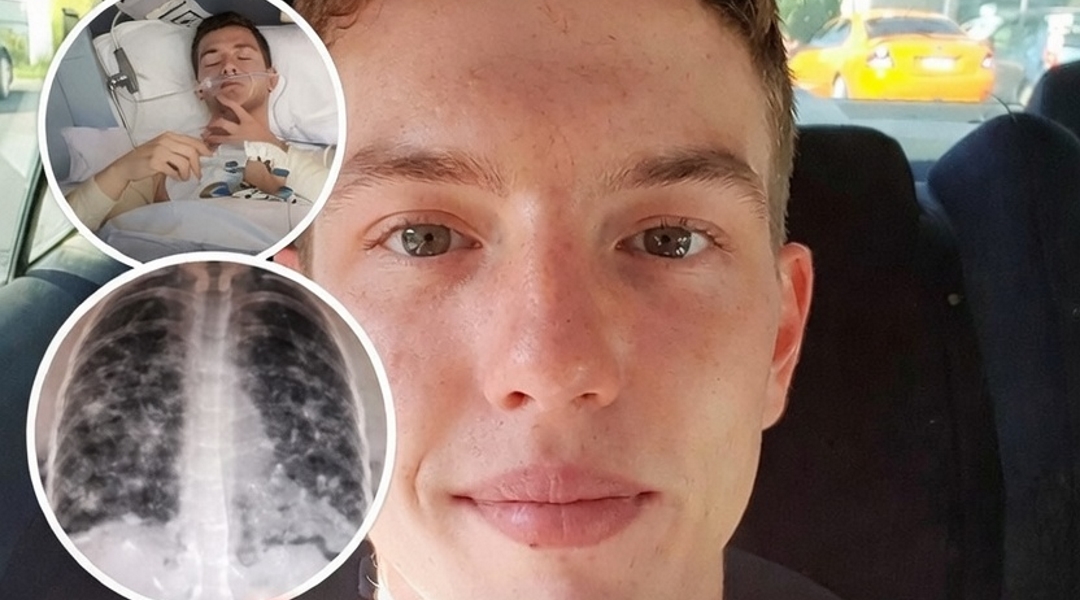
Medical literature has documented unusual lung failure cases in young adults, though they are exceedingly rare. As explained in an overview of serious pulmonary conditions published by the Mayo Clinic’s respiratory disease resource, structural lung damage can progress unnoticed when symptoms are subtle or intermittent.
In this case, doctors noted that the number of perforations suggested a prolonged underlying process rather than a single traumatic event. That finding has fueled ongoing investigation into whether warning signs were present but overlooked.
Respiratory specialists stress that sudden breathing changes, persistent chest pain, or unexplained fatigue should never be ignored, particularly in younger patients who may assume they are not at risk for serious illness.
Autopsy results are expected to provide further clarity, though physicians caution that even thorough post-mortem analysis does not always yield definitive answers in rare pulmonary cases.
The case has sparked renewed discussion among medical professionals about early screening and awareness for rare lung disorders. Some experts argue that improved imaging and genetic testing could help identify at-risk individuals before irreversible damage occurs.
Others emphasize the importance of listening closely to patient complaints, even when initial symptoms appear mild. In rare cases, those early signals may be the only warning before a rapid decline.
Public reaction to the case has been one of disbelief. Many have expressed concern about how someone so young could deteriorate so quickly, raising broader questions about gaps in early diagnosis.
Health organizations note that while such cases are rare, they highlight how complex and unpredictable the human body can be. As outlined in a broader discussion of lung failure mechanisms by the American Lung Association, even minor structural weaknesses can become fatal under the wrong circumstances.
For the man’s family, the focus now is on honoring his memory and raising awareness about silent respiratory conditions. They hope that sharing his story may encourage others to seek medical help sooner and push clinicians to look deeper when symptoms don’t add up.
Doctors involved in the case have described it as one they will not forget. The sheer extent of the lung damage in someone so young serves as a stark reminder that serious illness does not always follow predictable patterns.
As investigations continue, one thing remains clear: the sudden death of a 28-year-old from catastrophic lung failure underscores the importance of vigilance, early evaluation, and continued research into rare and poorly understood medical conditions.