In politics, certain comments linger long after the moment they are spoken. A remark made during an interview or speech can quietly fade into the background — until a new global development suddenly brings it back into the spotlight.
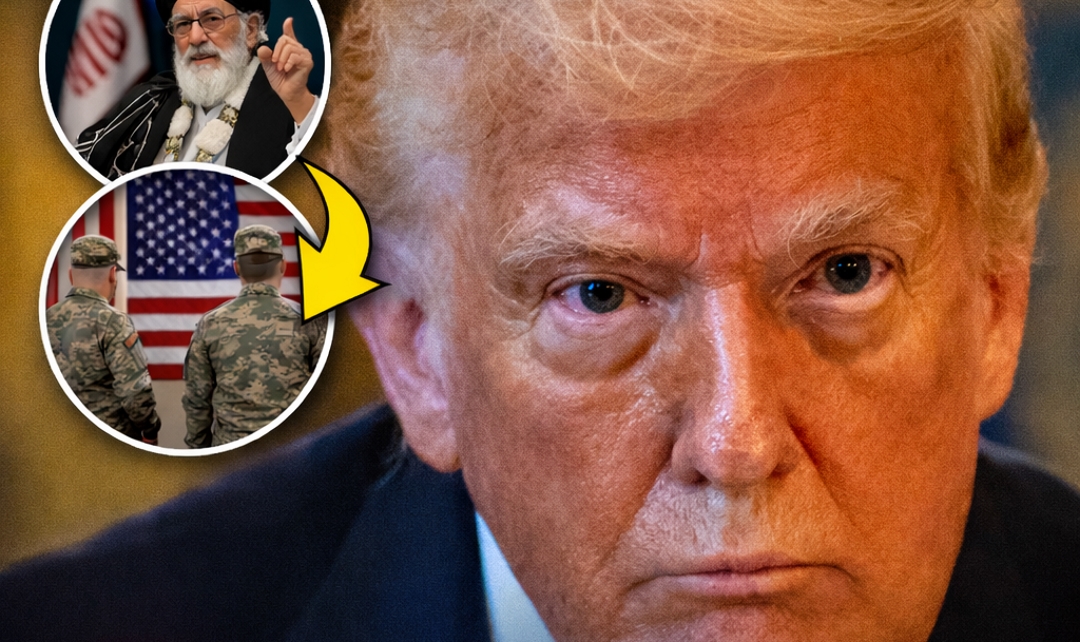
That is exactly what has happened with a statement Donald Trump once made when asked about a hypothetical scenario involving Iran.
The question was direct: what would happen if Iran ever attempted to assassinate him?
Trump’s response was equally direct — and unusually blunt even by the standards of political rhetoric. He suggested that any such action would trigger overwhelming consequences from the United States.
“If they did that,” he said during the exchange, “Iran would be obliterated.”
The comment, delivered in Trump’s typically forceful style, immediately drew attention when it first surfaced. Supporters viewed it as a clear signal of deterrence — a message designed to warn adversaries that attacks on American leaders would not go unanswered.
Critics, however, argued that the statement reflected the escalating tone that has often characterized U.S.–Iran tensions in recent years.
Those tensions have a long and complicated history.
Relations between the United States and Iran have been strained for decades, shaped by geopolitical rivalries, regional conflicts, and disputes over nuclear development. The relationship worsened significantly during Trump’s presidency after the United States withdrew from the 2015 Iran nuclear agreement.
That decision marked a turning point in U.S. policy.
The Trump administration argued the agreement did not sufficiently limit Iran’s long-term nuclear ambitions and reimposed economic sanctions aimed at pressuring Tehran to negotiate a new deal. Iranian officials condemned the move and warned it would deepen hostility between the two countries.
Tensions escalated further in early 2020 following the U.S. drone strike that killed Iranian General Qassem Soleimani in Baghdad. The strike was one of the most dramatic moments in recent Middle Eastern geopolitics and brought the two nations closer to open confrontation than at any point in years.
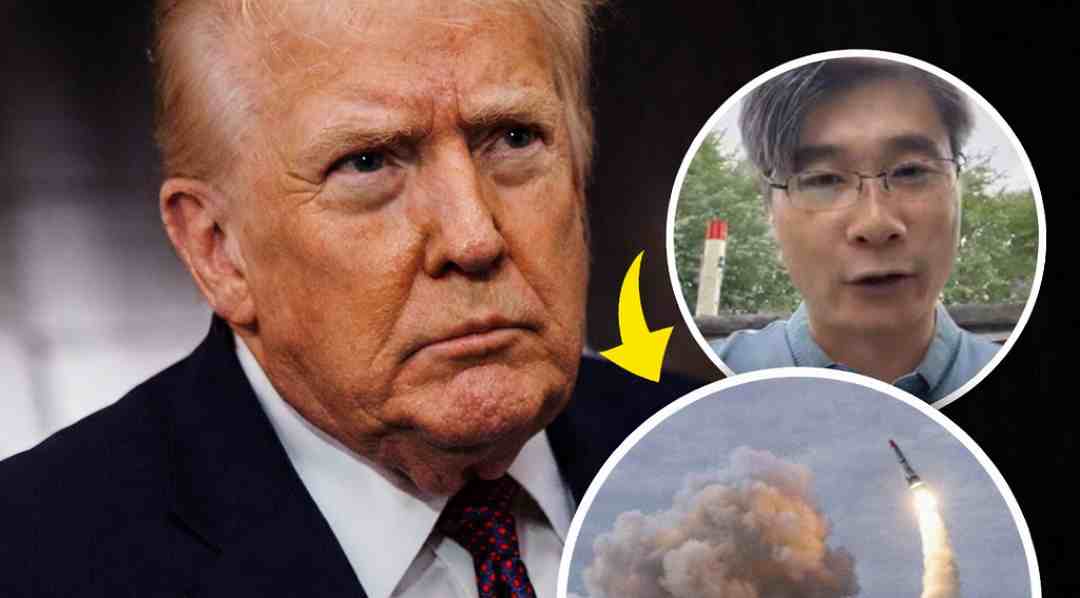
In the days that followed, Iran launched missile strikes targeting U.S. forces stationed in Iraq. Although no American troops were killed in the attack, the episode underscored how rapidly the situation could spiral.
Against that backdrop, Trump’s earlier comment about potential retaliation took on a sharper meaning.
Political analysts say statements like that often function less as literal policy plans and more as strategic messaging. The goal is to communicate deterrence — signaling that the cost of targeting American leaders would be extraordinarily high.
“Deterrence language is common in international politics,” one foreign policy expert explained. “Leaders often speak in stark terms to discourage adversaries from even considering certain actions.”
Still, the blunt phrasing sparked debate about how political leaders should frame such warnings.
Some analysts argue strong rhetoric can reinforce national security by making consequences unmistakably clear. Others worry that dramatic language may intensify already volatile diplomatic relationships.
The broader question surrounding U.S.–Iran relations remains unresolved.
Despite occasional diplomatic efforts, negotiations over nuclear development, sanctions relief, and regional security have repeatedly stalled. Both countries continue to view each other with deep suspicion, and the possibility of confrontation — direct or indirect — has never fully disappeared.
That context helps explain why Trump’s comment continues to circulate years later.
In the era of social media and viral political clips, statements that once belonged to a single news cycle can quickly reappear when global tensions shift. What was once a hypothetical question can suddenly feel relevant again.
For supporters, Trump’s words still represent a posture of strength — a message that the United States would respond decisively to threats against its leaders.
For critics, the remark highlights the delicate balance between deterrence and escalation in international politics.
Either way, the statement has once again become part of the larger conversation about how nations communicate power, risk, and consequence on the global stage.